

Table of Contents
Have you ever wondered why your body feels “off” even when nothing dramatic is happening? Women often push through these moments without realizing they’re actually early signals from the nervous system. These signals show up quietly at first—little things that many people misread as personality quirks, mood issues, or “just getting older.”
Here’s the twist no one talks about: your nervous system speaks long before stress becomes obvious. And once you understand these signs, everything starts to make sense. You’ll see your reactions, emotions, cravings, and energy dips in a whole new light. Let’s break down the hidden cues your body uses when it needs support.
This post may contain affiliate links. I only recommend products and services I genuinely believe in. Additionally, some images on this website may have been created with the help of AI to convey the feeling and aesthetic I wish to share with my readers.
What You Might Need
Before we dive into these powerful signs, a few simple tools can help you start regulating your nervous system with ease:
- A calming journal
- Cozy blanket or shawl
- Herbal tea that soothes the senses
- A quiet corner or nook
- A one-minute breathwork timer
- Warm water bottle for grounding
- Soft lighting to ease overstimulation
These aren’t required—they’re gentle helpers that make the journey feel softer and more doable.
1. You Feel Wired but Completely Exhausted

What if you could feel tired and restless at the same time? Many women do. You might collapse onto the couch at night but still feel “charged,” like your body missed the memo that it’s time to wind down. This is one of the clearest signs your nervous system is stuck in alert mode, even when the day is over.
And here’s the part most people miss: that buzzy energy isn’t motivation. It’s your system working overtime to protect you. When your nervous system stays activated too long, it becomes harder to relax, think clearly, or genuinely rest—no matter how tired you are.
Why Calming This State Helps You Feel Steady Again
When your nervous system softens, your energy stops swinging between highs and lows. You feel clearer, more grounded, and less reactive. Your body finally starts to trust rest again.
How Slowing Your Pace Helps Your System Settle
Even small shifts—like dimming lights or using slower movements—signal to your nervous system that it’s safe to step out of alert mode. These subtle cues help your energy downshift so you can rest.
Powerful Combo: Warmth + Breathwork
Place a warm hand or heat pack over your heart or belly and take slow exhales. The warmth reassures your body, and the breathing interrupts the stress cycle.
How to Support Your Nervous System When You Feel Wired But Tired
- Use a 4-second inhale and 6-second exhale for one minute
- Lower your evening lights by at least half
- Take three slow shoulder rolls backward
- Sip something warm and soothing
- Use a soft blanket to signal comfort
- Move more slowly on purpose
- Notice the shift when your belly finally softens
This wired-but-tired feeling is your nervous system calling for support. Once you respond with small daily shifts, your energy becomes steadier and calmer.

2. You Can’t Fall Asleep—or Stay Asleep

If your brain suddenly turns into a late-night storyteller the moment your head hits the pillow, you’re not alone. Many women struggle with sleep because their nervous system hasn’t actually shifted into rest mode yet. Your body may feel tired, but your mind keeps scanning for unfinished tasks, emotions, or potential problems.
Here’s what’s really happening: when the nervous system feels overstimulated, it won’t allow the body to drop into deeper rest. It’s not a sleep problem—it’s an activation problem. And once your system feels safe again, sleep becomes easier and more reliable.
Why Supporting the Nervous System Improves Your Sleep Fast
When your system relaxes, your thoughts slow, your breath deepens, and your muscles release tension. Better sleep becomes natural, not something you have to chase.
How Evening Rituals Calm Your Internal Alarm System
Soft lighting, quiet activities, and slower breathing help your nervous system shift from “alert” to “rest.” These cues tell your brain the day is done.
Nighttime Game-Changer: Darkness + Gentle Breathing
Lower the lights, inhale through your nose, and exhale longer than you inhale. This combo quickly signals your body that it can let go.
How to Settle Your Body for More Restful Sleep
- Turn off bright overheads one hour before bed
- Use warm lighting or lamps instead
- Do a slow 4-7-8 breathing cycle
- Keep your room cool and soothing
- Stretch your neck and shoulders for 20–30 seconds
- Put your phone out of reach
- Avoid multitasking late at night
Struggling to sleep isn’t a personal flaw. It’s a clear, gentle nudge from your nervous system asking for support so it can soften and settle.
3. You Overthink Everything, Even Simple Decisions

If your mind feels like it has 37 tabs open at once, your nervous system may be running in the background like a stressed-out operating system. Overthinking often shows up when your system is trying to prepare for every possible outcome, even when the situation doesn’t call for that level of intensity. It’s not you being “dramatic”—it’s a sign of internal overload.
Here’s the hidden truth: overthinking is a survival strategy. When your nervous system senses pressure, it pushes your brain to problem-solve nonstop. That’s why you might replay conversations, question your choices, or spiral into “what ifs” over things that used to feel simple.
Why Calming Your Nervous System Helps Quiet the Mental Noise
When your nervous system relaxes, your thoughts naturally slow. You make decisions faster. You feel more centered. You stop jumping to worst-case scenarios. This shift brings back clarity and mental peace.
How Grounding Yourself Breaks the Overthinking Loop
Simple grounding—feeling your feet on the floor, taking a slow breath—helps interrupt the mental spiral. These tiny resets pull you out of your head and back into your body.
Pairing Breathwork with Quick Journaling for Mental Relief
Dumping your thoughts onto paper, even in messy bullet points, clears the mental fog. Add one slow exhale afterward, and your nervous system gets the “we’re safe” signal it’s been waiting for.
How to Ease Overthinking and Support Your Nervous System
- Put both feet on the ground and take one slow breath
- Write down every thought that’s looping — no editing
- Say out loud: “This thought is not a threat”
- Lower your shoulders and unclench your jaw
- Step outside or look out a window for 20 seconds
- Try a 5-minute “brain dump” before bed
- Notice one physical sensation (warmth, texture, pressure)
Your nervous system stops spiraling when you bring your mind back into the present moment.
4. Small Tasks Feel Way Bigger Than They Should
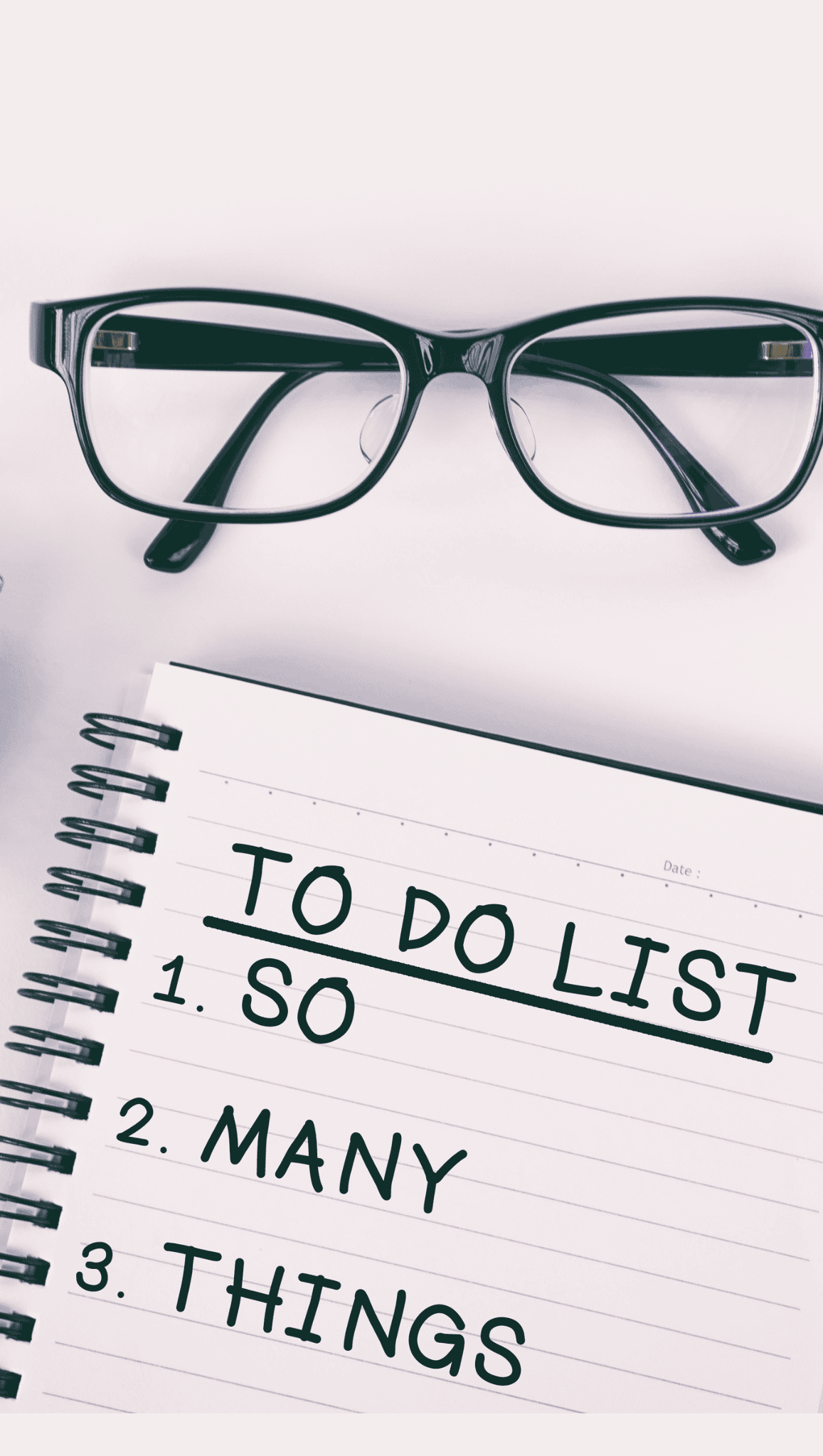
If the tiniest things suddenly feel overwhelming—replying to a text, wiping the counter, making a phone call—your nervous system might be overstimulated. When your system is worn down, even simple actions can feel like climbing a hill. It’s not laziness. It’s not lack of motivation. It’s nervous system fatigue.
Here’s the part nobody explains: before burnout hits, your system starts rationing energy. That’s why small tasks feel heavier, slower, or strangely emotional. Your body isn’t failing you… it’s trying to protect what little energy you have left.
Why Supporting Your Nervous System Makes Tasks Feel Lighter
When your system steadies, your brain regains bandwidth. Suddenly the “impossible” tasks shrink back down to normal size. You feel capable again instead of drained.
How Micro-Steps Help Your System Reset
Breaking tasks into tiny steps takes pressure off your nervous system. Small wins help your brain regain momentum without triggering overwhelm.
Pairing Rhythm + Movement for Task Ease
Gentle, rhythmic movement—like walking or swaying—helps your nervous system discharge tension. This makes returning to tasks feel smoother and less intense.
How to Make Small Tasks Feel Manageable Again
- Break tasks into 30-second actions
- Set a 2-minute timer and stop when it ends
- Celebrate tiny wins as “evidence of progress”
- Bring movement into your day before tackling tasks
- Reduce background noise or visual clutter
- Breathe out longer than you breathe in
- Start with the easiest thing, not the most important
When your nervous system gets support, what once felt heavy becomes doable again.
5. You Snap Easily or Feel Irritable Over Nothing

If you feel like your patience has gone missing, you’re not imagining it. Irritability is one of the biggest signs your nervous system is carrying too much. When your system is overloaded, even small interruptions, noises, or demands feel like pressure. This isn’t a personality flaw—it’s a stress response.
Here’s what’s happening behind the scenes: your nervous system is so busy trying to keep you functioning that anything extra feels like “too much.” That’s why interruptions feel intrusive, conversations feel draining, and the tiniest frustrations trigger big reactions.
Why Nervous System Support Helps You Stay Calm
When your system shifts out of high alert, your emotional margin grows. You react less. You recover faster. You stop feeling like everything is getting under your skin.
How Breathwork Interrupts Stress Reactions
A slow, intentional exhale tells your body the moment is not a threat. This softens the surge of irritability and helps you respond instead of snap.
Pairing Sensory Relief with Emotional Regulation
Soft textures, warm blankets, gentle lighting, or nature sounds help lower sensory overwhelm—supporting the emotional centers of the nervous system.
How to Ease Irritability and Support Your Nervous System
- Pause and exhale slowly through your mouth
- Reduce noise (TV, phone alerts, background chatter)
- Step into a quieter room for 30 seconds
- Place your hand over your heart and breathe
- Use grounding textures—a blanket, warm sweater, soft pillow
- Roll your shoulders down and back
- Drink water slowly to reset your focus
Your irritability fades as your nervous system stops living in constant alert mode.
6. Your Shoulders, Neck, or Jaw Stay Tight All Day

If you catch yourself clenching your jaw or walking around with your shoulders practically touching your ears, your nervous system is likely holding stress for you. Many women don’t realize how often they tighten their muscles out of habit. It becomes “normal,” even though it’s one of the clearest signs your system is overloaded.
This kind of tension is your body’s way of staying ready—ready for pressure, ready for conflict, ready for whatever your mind thinks is coming next. It’s protection mode. And it creates a cycle where tension keeps the nervous system activated… and activation creates more tension.
Why Muscle Tension Is a Nervous System Flag
When your nervous system stays alert, your muscles contract to protect you. Once the system calms, the muscles finally release. That’s why deep relaxation feels impossible when you’re stressed.
How Gentle Movement Helps Release Stored Stress
Slow neck rolls, soft jaw stretches, or shoulder drops help your nervous system get the message that it’s safe. These tiny releases create huge shifts in how grounded you feel.
Pairing Warmth with Movement for Relief
Warm compresses, heating pads, or a warm shower soften the muscles, making it easier for your nervous system to let go of stored tension.
How to Ease Tension and Support Your Nervous System
- Drop your shoulders down and back
- Gently massage your jawline or temples
- Use a warm towel around your neck
- Stretch your chest by opening your arms wide
- Try five slow neck circles
- Clench your fists for 3 seconds, then release
- Breathe slowly into the spots that feel tight
As your nervous system softens, your muscles finally stop bracing.
7. Your Digestion Feels Off for No Clear Reason

When your nervous system feels overwhelmed, your digestion is usually the first to show it. Bloating, cramping, acid reflux, stomach knots — these aren’t always food issues. Often they’re nervous system issues. Stress pulls blood flow away from the gut and keeps your digestion on pause.
Most women don’t realize their gut reacts to emotional load faster than it reacts to food. If your stomach gets tight during conflict, if you eat fast, or if you feel nauseous when stressed, your nervous system is sending clear signals that it needs support.
Why the Gut Reacts When the Nervous System Is Dysregulated
Your gut and brain communicate constantly. When the nervous system senses stress, digestion slows. When the system calms, digestion improves almost instantly.
How Slowing Down Your Meals Helps Your System Reset
Eating too fast keeps your nervous system in “go-mode.” Slower bites, deeper breaths, and intentional chewing help switch you back into a calmer state.
Pairing Breathwork with Mealtime for Better Digestion
A single deep exhale before eating signals your system that digestion is safe to begin again.
How to Support Digestion Through Nervous System Care
- Take a slow exhale before your first bite
- Eat without rushing or multitasking
- Place a hand on your belly and breathe
- Chew longer than usual to ease digestion
- Reduce distractions while eating
- Give yourself time to settle after meals
- Drink warm liquids instead of ice-cold drinks
Your gut becomes calmer when your nervous system feels supported.
8. You Feel Checked Out, Numb, or Disconnected

This one surprises people: shutting down is just as much a nervous system response as feeling anxious or overwhelmed. When your emotional load gets too heavy, your system may flip into “freeze mode.” This can look like zoning out, feeling indifferent, or moving through the day on autopilot.
You’re not broken. You’re not “unmotivated.” You’re not failing. You’re overloaded. And your nervous system is trying to protect you by pulling away from sensations and emotions that feel too big in the moment.
Why Disconnection Is a Nervous System Protection Pattern
When your system feels unsafe or overwhelmed, it numbs to reduce emotional intensity. Once the system feels supported, connection slowly returns.
How Grounding Helps You Come Back Into Your Body
Simple grounding practices—naming what you see, noticing textures, feeling your feet—help your system reconnect without overwhelm.
Pairing Warmth with Sensory Awareness
Holding something warm, like a mug or blanket, helps the nervous system re-engage safely.
How to Support Yourself When You Feel Disconnected
- Put your hand over your heart
- Notice three things you can physically feel
- Sit with your feet flat on the ground
- Hold a warm mug and breathe slowly
- Speak out loud: “I’m safe in this moment”
- Look around the room and name five objects
- Stretch your fingers or wiggle your toes
Your nervous system reconnects little by little once it feels steady again.

9. You’re Easily Startled or Jump at Every Noise

If you jump at sudden sounds, flinch when someone approaches, or feel on-edge in busy environments, your nervous system may be stuck in hyper-alert mode. This is your body scanning for threats—even when you know you’re safe.
Many women live like this for years without realizing it’s a nervous system issue, not a personality trait. This jumpiness is your sensitive alarm system saying, “I need help settling.”
Why Startle Responses Increase With Stress
When your nervous system stays activated, your body reacts quickly to anything unexpected. This hyper-alert state drains energy and keeps you tense.
How Soft Sensory Input Helps Lower Alertness
Gentle lighting, soft fabrics, quiet environments—these cues help your system realize danger isn’t present.
Pairing Slow Breathing with Body Awareness
A slow exhale paired with noticing your surroundings helps deactivate the startle reflex.
How to Support Your Nervous System When You Feel Jumpy
- Lower background noise in your environment
- Pause and take a slow breath before reacting
- Bring awareness to the soles of your feet
- Reduce caffeine on days you feel extra sensitive
- Use soft lighting instead of harsh brightness
- Step outside for natural sensory grounding
- Press your hand lightly against your chest for reassurance
Your nervous system relaxes as it learns it no longer needs to be on guard.
10. You Catch Yourself Holding Your Breath Without Realizing It

If you suddenly notice you’ve been holding your breath or taking tiny, shallow sips of air, your nervous system is working overtime. This pattern shows up during stress, screen time, emotional conflict, or even mindless activities.
Breath-holding is one of the strongest indicators that your system is stuck in activation mode. Your body does it automatically, thinking it needs to brace itself. Most people never realize it’s happening until tension shows up somewhere else—like the jaw, chest, shoulders, or stomach.
Why Breath-Holding Signals Nervous System Overload
When the system senses stress, it restricts breath to prepare for action. This reduces oxygen flow and increases anxiety-like symptoms.
How Soft, Slow Breathing Reverses the Stress Response
Lengthening your exhale calms the nervous system quickly. It tells your body, “We’re not in danger.”
Pairing Breathwork with Posture for Better Regulation
Straightening your spine opens more space for breath, allowing your nervous system to settle faster.
How to Support Your Nervous System When You Catch Yourself Holding Your Breath
- Inhale for 4 seconds, exhale for 6
- Drop your shoulders and relax your belly
- Tilt your chin slightly upward
- Place a hand on your heart while breathing
- Take three deep breaths every hour
- Stand up and stretch your ribcage
- Try breath awareness while walking
Your nervous system softens fast when your breath becomes steady and intentional.
11. You Feel Sensitive to Noise, Lights, or Clutter

If everyday sounds feel louder than usual or bright lights feel sharp and draining, this is one of the most overlooked signs your nervous system is overloaded. Sensory sensitivity often shows up when your system doesn’t have the capacity to handle normal stimulation. It’s not “just being sensitive”—it’s a sign of internal overwhelm.
Your nervous system is scanning for safety, and when it’s tired, even normal environments can feel like too much. That’s why loud rooms, cluttered spaces, or harsh lighting feel overwhelming so quickly.
Why Sensory Sensitivity Increases When the Nervous System Is Overworked
When your system is stressed, the brain becomes more alert to every sound, color, and movement—just in case something requires your attention.
How Lowering Stimulation Helps Your System Reset
Soft lights, gentle sounds, and calming environments give your nervous system a break so it can regulate again.
Pairing Sensory Relief With Slow Breathing
Reducing stimulation while lengthening your exhale helps your system shift from “alert” to “safe.”
How to Soothe Sensory Overload and Support Your Nervous System
- Lower lights or use lamps instead of overheads
- Reduce background noise (TV, music, notifications)
- Declutter the space in front of you
- Step outside for natural lighting and air
- Wear soft fabrics that feel comforting
- Take a slow exhale when sound feels too loud
- Use warm colors to soften your environment
Your nervous system relaxes when your senses feel safe again.
12. You Crave Comfort Foods More Than Usual

If you reach for snacks, sweets, or salty foods when you’re stressed, tired, bored, or overwhelmed, your nervous system might be asking for support. Emotional cravings aren’t a discipline issue—they’re a regulation issue. Your system is looking for quick relief or grounding.
Comfort food is one of the fastest ways the body attempts to self-soothe. It gives temporary calm because it changes your chemistry. But it’s not solving the deeper need: nervous system support.
Why Stress Food Cravings Are Linked to Your Nervous System
When your system feels dysregulated, the brain looks for something predictable and comforting. Food becomes a quick emotional stabilizer.
How Mindful Pauses Shift Emotional Eating
A small pause—just five seconds—helps you identify what you truly need: rest, connection, comfort, or safety.
Pairing Breathwork With Eating for Emotional Ease
A slow exhale before eating softens urgency and helps your nervous system settle before you reach for food.
How to Handle Cravings With Nervous System Support
- Pause and ask, “What do I actually need right now?”
- Drink warm tea or water to soothe your belly
- Step outside for one minute of fresh air
- Do a slow exhale before choosing foods
- Add grounding foods like protein or fiber
- Place a hand on your heart to create safety
- Move your body gently for 30–60 seconds
Cravings soften when your nervous system feels supported and steady.
13. You Can’t Focus or Stay Present

If your thoughts scatter the second you try to concentrate, your nervous system is likely overstimulated or fatigued. Focus becomes almost impossible when your system is managing too much, even if you’re sitting still.
Your mind may wander, tasks may take longer than expected, and you might feel foggy or forgetful. This isn’t a lack of discipline—it’s nervous system depletion.
Why Focus Disappears Under Nervous System Stress
When your system is overwhelmed, energy shifts from thinking to coping. The brain prioritizes “survival mode,” not productivity.
How Grounding Helps You Come Back Into the Moment
Noticing your breath, feet, or surroundings pulls your mind out of the fog and back into the present.
Pairing Movement With Focus for Better Clarity
Even 30 seconds of movement helps the brain reset and improves concentration.
How to Support Focus Through Nervous System Care
- Take one slow inhale and long exhale
- Put your feet flat on the floor
- Remove extra noise or brightness
- Move your body for 30 seconds
- Work in 5-minute bursts
- Look at one object for 10 seconds to refocus
- Stretch your spine to open breathing
Your focus returns when your nervous system feels grounded and supported.
14. Your Motivation Drops for No Clear Reason

If you wake up feeling unmotivated—despite having goals you care about—your nervous system may be running on empty. Low motivation isn’t always emotional. Often it’s physiological: your system can’t produce momentum because it’s overwhelmed.
This can feel like procrastination, lack of interest, or resistance. But most of the time, it’s a sign your system needs rest before it can push forward.
Why Motivation Disappears When Your Nervous System Is Tired
Your brain protects your energy by slowing you down. It’s a built-in safety mechanism, not a flaw.
How Tiny Actions Help Reboot Your System
Small, doable steps help your nervous system build trust and momentum again.
Pairing Rest With Micro-Action for Better Energy
Balancing a few minutes of rest with one simple action helps the system shift out of stagnation.
How to Lift Motivation Using Nervous System Support
- Start with a 30-second task
- Sit upright and breathe slowly
- Remove one distraction before starting
- Create a calm environment
- Break tasks into micro-steps
- Stretch your body for 10 seconds
- Celebrate small wins
Your motivation returns when your nervous system has the capacity to move again.
15. You Feel Like You’re “On” All the Time

If you always feel alert, busy, tense, or mentally “checked in,” your nervous system may be living in a constant state of activation. This is especially common for women who carry multiple roles—caregiver, partner, worker, friend, healer, planner.
When your system never gets a break, your body stays in go-mode, even when nothing urgent is happening. This drains your energy, lowers your resilience, and makes rest feel impossible.
Why Being “Always On” Burns Out the Nervous System
Your system needs cycles of activation and recovery. When you skip recovery, everything feels heavier.
How Small Rest Moments Help Reset Your Internal Pace
Even a 30-second pause helps your system downshift from alertness into calm.
Pairing Stillness With Breath for Deep Relief
Placing your hand on your heart while breathing slowly reminds your system that it’s safe to relax.
How to Support a Nervous System That Never Gets a Break
- Take one-minute pauses during the day
- Lower your shoulders and soften your belly
- Use warm lighting instead of harsh lights
- Reduce multitasking
- Add quiet moments between activities
- Create a small evening ritual that signals “done for the day”
- Breathe slower than your normal pace
Your nervous system feels safe when you allow space for rest and pause.
Final Thoughts
Here’s the truth about your nervous system: it’s always doing its best to protect you, even when the signals feel confusing. Every sign you’ve experienced is your body asking for support, softness, and steadiness. You don’t have to fix everything at once—just begin with the signs that speak to you most. Small shifts create massive relief over time. Trust your body, honor what it’s telling you, and let this be the moment you build a calmer, kinder rhythm for your life.
This post may contain affiliate links. I only recommend products and services I genuinely believe in. Additionally, some images on this website may have been created with the help of AI to convey the feeling and aesthetic I wish to share with my readers.
Frequently Asked Questions
What causes nervous system dysregulation?
Stress, emotional overload, trauma, poor sleep, chronic tension, and sensory overwhelm can all push the nervous system into imbalance. It’s usually not one event—it’s the accumulation of many small pressures your body hasn’t had time to process. Most people experience dysregulation without realizing it.
How long does it take to regulate your nervous system?
Some people feel relief within minutes using breathwork or grounding. Others need consistent daily habits over weeks. Nervous system healing is gradual and highly individual, but small practices add up quickly.
What’s the fastest way to calm my nervous system?
Lengthening your exhale, grounding your feet, softening your shoulders, or pausing for one minute are powerful resets. These shifts send a direct signal to the brain that you’re safe.
Can nervous system dysregulation affect my emotions?
Absolutely. Mood swings, irritability, numbness, anxiety, and overwhelm often begin in the nervous system, not the mind. Supporting your system can improve emotional stability and resilience.
How can I tell if I’m making progress?
You’ll notice calmer reactions, better sleep, steadier energy, improved focus, and fewer emotional spikes. Even one small sign of relief means your nervous system is responding.
About The Author
Jahlila Bastian is a National Board-Certified Health & Wellness Coach (NBC-HWC), Certified Holistic Nutrition Coach (HNC), and creator of The Tri-Sync Method™. She helps women optimize their health, improve energy, lose weight in a sustainable way, and rebuild self-confidence while creating greater balance in body, mind, and life. Her whole-self approach blends evidence-based nutrition with personalized coaching, guiding women in building a holistic wellness lifestyle system designed for long-term success.
If you’re ready to improve your energy and health, feel confident in your body, strengthen your overall well-being, and create lasting results… Book your free Discovery Consultation here.



Leave a Reply