
Table of Contents
Here’s something worth noticing about fit body vision boards: when they create pressure instead of support, they stop working in your favor. Motivation can quietly shift into comparison without you realizing it. For many women over 35, that pressure doesn’t encourage consistency—it creates disconnection from the body. That isn’t a lack of discipline. It’s a mismatch in approach.
If you’ve ever felt excited about your goals at first and then slowly discouraged, you’re not alone. The problem isn’t wanting to feel fit. It’s how fitness is often presented. Confidence grows when your vision reflects your real life, energy, and needs, and these ideas are designed to help you do exactly that.
This post may contain affiliate links. I only recommend products and services I genuinely believe in. Additionally, some images on this website may have been created with the help of AI to convey the feeling and aesthetic I wish to share with my readers.
What You Might Need
Before we dive into these ideas, here’s what will help you get the most out of this process:
- 15–30 minutes of uninterrupted time
- A notebook, notes app, or journal
- Pinterest, magazines, or saved images
- A willingness to release old “shoulds”
- A flexible mindset focused on support, not fixing
- Little to no budget—this works digitally or on paper
This isn’t about doing more. It’s about choosing better inputs so your motivation feels lighter instead of heavier.
1. Define What a “Fit Body” Means to You Now
What if the reason fitness goals feel hard isn’t discipline—but definition? Many women are still chasing a version of “fit” that belonged to a different season of life. When your vision board reflects outdated expectations, motivation naturally fades. Your body senses the mismatch before your mind does.
When fitness goals are rooted in identity instead of comparison, follow-through increases dramatically. You’re no longer trying to force yourself forward. You’re responding to what actually fits your life now—your energy, your schedule, your priorities. That shift alone can change how your body responds.
Benefits of redefining fitness for confidence and consistency
- Reduces internal pressure and self-comparison
- Builds motivation rooted in self-trust
- Supports long-term consistency instead of cycles
Enhancing body alignment through present-day goals
- Matches fitness to current lifestyle and energy
- Creates emotional safety around progress
- Encourages realistic, sustainable expectations
Pairing identity clarity with body trust for maximum impact
- Strengthens internal motivation
- Reduces all-or-nothing thinking
- Builds confidence through repetition
How to redefine your fit body vision with clarity
- Write three words describing how you want to feel in your body daily
- Notice which goals feel heavy instead of energizing
- Choose images that feel attainable and familiar
- Remove anything that triggers urgency or guilt
- Place your vision somewhere calm and supportive
- Revisit monthly and adjust as needed
When fitness reflects who you are now, consistency feels natural. Confidence replaces pressure, and progress becomes something you cooperate with instead of chase.
2. Focus on Feelings, Not Measurements
Here’s what most fitness advice skips over: numbers don’t create lasting motivation—feelings do. When goals revolve around measurements, they often increase anxiety and self-judgment. When they revolve around how you want to feel, your body responds with less resistance and more consistency.
Emotion-based goals activate deeper habit centers in the brain. That’s why a vision board centered on feeling energized, grounded, or confident often leads to better follow-through than one focused on outcomes alone.
Benefits of feeling-based vision boards for motivation
- Reduces stress around progress
- Builds emotional resilience
- Encourages long-term habit formation
Enhancing emotional alignment through sensory cues
- Uses imagery that evokes calm and strength
- Reinforces positive body association
- Reduces stress-driven decisions
Pairing emotional goals with daily movement for impact
- Improves consistency without burnout
- Encourages intuitive pacing
- Supports sustainable energy
How to create a feeling-focused vision board
- Choose words like grounded, capable, energized
- Select images that create a sense of ease
- Avoid numbers, scales, or comparison visuals
- Notice how your body reacts to each image
- Keep visuals simple and uncluttered
- Update feelings as your needs shift
When feelings lead the vision, motivation follows. This approach supports confidence without obsession and creates a healthier relationship with your body.
3. Use Aesthetic Body Goals With Intention
Aesthetic goals aren’t the problem. Unconscious ones are. Visual desire can be motivating when it’s chosen with care. When it isn’t, it quietly fuels comparison and self-criticism. The difference lies in how the images make you feel when you see them.
Visual cues influence behavior faster than logic. When your images feel attainable and supportive, they inspire action. When they feel extreme or pressuring, they shut motivation down.
Benefits of intentional aesthetics for self-image
- Boosts motivation without comparison
- Supports a positive body identity
- Encourages consistency
Enhancing visual alignment through realistic imagery
- Chooses bodies that look strong and alive
- Avoids extremes that trigger shame
- Reinforces attainable goals
Pairing aesthetics with function for balance
- Connects appearance to movement and strength
- Grounds visuals in daily habits
- Builds confidence through capability
How to use aesthetic goals without obsession
- Choose images that feel familiar, not intimidating
- Pair each image with a functional intention
- Remove anything that sparks self-criticism
- Keep visuals minimal and purposeful
- Check in with your emotional response regularly
- Replace pressure-based images immediately
When aesthetics are chosen intentionally, they inspire confidence instead of comparison and support a balanced fitness mindset.
4. Highlight Lifestyle Habits, Not Outcomes
Bodies change because of habits, not vision statements. When a vision board focuses only on outcomes, it can feel inspiring but disconnected. Habit-based visuals, on the other hand, reinforce what actually creates change day after day.
Behavior science shows that visualizing routines strengthens consistency. When your board reflects real moments—movement, rest, nourishment—it becomes a guide instead of a wish list.
Benefits of habit-focused vision boards
- Improves consistency
- Reduces overwhelm
- Builds sustainable routines
Enhancing lifestyle alignment through routine visuals
- Reinforces repeatable actions
- Removes fantasy expectations
- Supports real-world follow-through
Pairing habits with identity for results
- Strengthens self-trust
- Builds confidence through repetition
- Encourages long-term change
How to visualize supportive fitness habits
- Include walking paths, stretching spaces, simple meals
- Focus on daily rhythms instead of transformations
- Choose images that match your real schedule
- Avoid “perfect day” fantasies
- Update habits seasonally
- Celebrate consistency visually
When habits lead the vision, results follow naturally—without burnout or pressure.
5. Represent Strength in Many Forms
Strength doesn’t have one look. When fitness is visually narrowed, confidence shrinks. When strength is expanded to include balance, posture, resilience, and calm presence, motivation grows.
Seeing strength reflected in many forms increases self-belief and consistency. Your vision board should remind you that capability matters more than comparison.
Benefits of expanded strength representation
- Increases body acceptance
- Reduces comparison
- Builds confidence
Enhancing empowerment through diverse visuals
- Normalizes different body expressions
- Reinforces capability
- Supports emotional resilience
Pairing strength with self-respect
- Builds sustainable motivation
- Encourages patience
- Supports long-term wellness
How to visualize strength beyond appearance
- Include images of movement, balance, posture
- Choose calm, grounded strength cues
- Avoid extreme or hyper-muscular visuals
- Reflect multiple expressions of fitness
- Update visuals as confidence grows
- Trust your emotional response
When strength is redefined, confidence expands—and fitness becomes empowering instead of limiting.
6. Add Self-Trust and Body Respect Cues
Your body responds better to trust than control. Vision boards that emphasize punishment or discipline often backfire. Ones that reinforce partnership support consistency and emotional safety.
Self-compassion has been shown to improve health behaviors significantly. When your visuals encourage listening instead of forcing, your body becomes more responsive.
Benefits of self-trust imagery
- Reduces shame cycles
- Improves consistency
- Builds emotional safety
Enhancing body respect through affirmations
- Encourages intuitive decisions
- Builds confidence
- Supports nervous system balance
Pairing trust with movement for harmony
- Improves body responsiveness
- Reduces burnout
- Supports longevity
How to add trust cues to your vision board
- Use words like listen, honor, respond
- Include nature-based imagery
- Remove punitive language
- Notice emotional reactions
- Keep affirmations simple
- Update as trust grows
When trust replaces pressure, your body becomes an ally instead of a battleground.
7. Reflect Your Real Life Environment
Vision boards work best when they match real life. When visuals require a lifestyle you don’t actually live, motivation fades. Alignment creates momentum.
Environmental psychology shows that realistic cues improve habit follow-through. Your board should feel familiar, not aspirational.
Benefits of environment-matched visuals
- Improves follow-through
- Reduces frustration
- Builds confidence
Enhancing realism through daily context
- Reflects actual routines
- Removes fantasy pressure
- Supports consistency
Pairing environment with intention
- Builds sustainable habits
- Encourages patience
- Reduces guilt
How to align visuals with your environment
- Include home-based or outdoor movement
- Reflect spaces you actually use
- Avoid unrealistic time demands
- Match visuals to daily life
- Keep it practical
- Adjust seasonally
When your vision fits your life, progress becomes possible—and peaceful.
8. Build in Nervous System Support
A stressed body resists change. Calm supports consistency. Fitness goals that ignore the nervous system often lead to burnout, even when motivation is high.
Supporting regulation improves recovery, habit adherence, and energy. Calm is not a lack of discipline—it’s a foundation.
Benefits of nervous-system-friendly goals
- Improves recovery
- Reduces burnout
- Supports consistency
Enhancing regulation through calming imagery
- Encourages balance
- Supports emotional safety
- Improves body response
Pairing effort with restoration
- Builds sustainability
- Improves energy
- Reduces injury risk
How to include nervous system support
- Add calming movement visuals
- Include rest and recovery cues
- Balance effort with softness
- Avoid urgency-driven imagery
- Notice body response
- Adjust as needed
When calm leads, fitness becomes sustainable instead of exhausting.
9. Place Your Vision Board Where You’ll Feel It
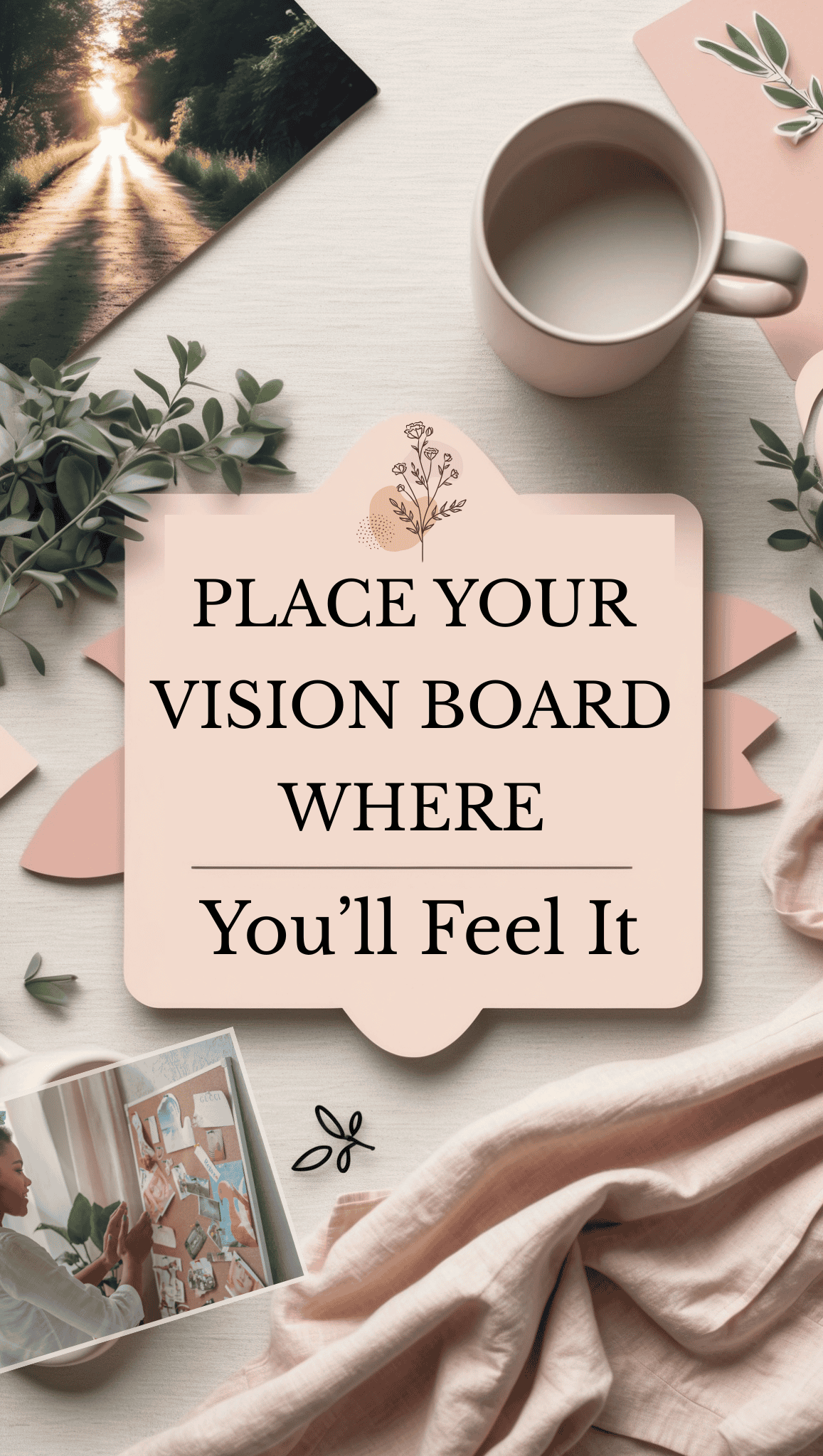
Placement matters more than perfection. When a vision board lives in a high-pressure space, it can trigger avoidance instead of inspiration. Emotional safety improves engagement.
Where you see your vision influences how it supports you.
Benefits of supportive placement
- Reduces pressure
- Encourages reflection
- Builds consistency
Enhancing engagement through emotional safety
- Supports calm motivation
- Reduces avoidance
- Improves connection
Pairing placement with intention
- Strengthens daily reminders
- Encourages trust
- Supports growth
How to place your vision board intentionally
- Choose calm, private spaces
- Avoid high-pressure zones
- Revisit regularly
- Allow evolution
- Update as goals shift
- Trust what feels supportive
When your vision board feels safe, it becomes a tool—not a trigger.
Final Thoughts
Here’s the truth about fit body vision boards: they work best when they support confidence, not control. You don’t need more pressure. You need alignment. Maybe your body responds to calm. Maybe consistency comes from trust. Start with whatever idea feels most supportive right now. Small shifts create lasting change—and that’s where confidence grows.
This post may contain affiliate links. I only recommend products and services I genuinely believe in. Additionally, some images on this website may have been created with the help of AI to convey the feeling and aesthetic I wish to share with my readers.
Frequently Asked Questions
Can a vision board really help with fitness goals?
Yes, when it’s aligned with identity and emotion. Vision boards reinforce habits and mindset, not just outcomes. Many women notice improved consistency within a few weeks.
How often should a vision board be updated?
Every one to three months works well. Update whenever visuals stop feeling supportive or your goals shift.
What if vision boards trigger comparison?
Remove triggering images immediately. Focus on habits, feelings, and environments instead. This reduces comparison and builds confidence.
Is this approach safe if dieting has been a struggle?
Yes. This method avoids numbers, restriction, and pressure. It supports body trust and sustainable fitness without obsession.
About The Author
Jahlila Bastian is a National Board-Certified Health & Wellness Coach (NBC-HWC), Certified Holistic Nutrition Coach (HNC), and creator of The Tri-Sync Method™. She helps women optimize their health, improve energy, lose weight in a sustainable way, and rebuild self-confidence while creating greater balance in body, mind, and life. Her whole-self approach blends evidence-based nutrition with personalized coaching, guiding women in building a holistic wellness lifestyle system designed for long-term success.
If you’re ready to improve your energy and health, feel confident in your body, strengthen your overall well-being, and create lasting results… Book your free Discovery Consultation here.

Leave a Reply