

Table of Contents
If you’re tired of being tired, your hormones might be sabotaging your sleep – here’s how to take back control.
You used to sleep like a baby. Eight hours of blissful, uninterrupted rest came naturally. Then something shifted around your 40th birthday, and suddenly sleep became elusive. You lie awake at 3 AM wondering what changed, googling “sleep problems after 40” for the hundredth time.
Here’s what no one tells you: sleep disruption affects 47% of perimenopausal women, but it doesn’t have to define your midlife experience. The science is clear – hormonal changes during perimenopause and menopause dramatically alter how you sleep, but evidence-based solutions can restore quality rest.
This isn’t about expensive gadgets or extreme lifestyle overhauls. These are practical, hormone-aware strategies that busy midlife women can implement tonight. Understanding why your sleep changed is the first step to reclaiming your energy, mood, and health during this pivotal life stage.
This post may contain affiliate links. I only recommend products and services I genuinely believe in. Additionally, some images on this website may have been created with the help of AI to convey the feeling I wish to share with my readers.
Why Your Old Sleep Habits Stopped Working After 40

Remember when you could fall asleep anywhere, anytime? Those days feel like a distant memory because your body’s sleep architecture has fundamentally changed. It’s not your imagination, and it’s definitely not your fault.
The Hormone Connection You Need to Understand
Around age 40, your ovaries begin producing less estrogen and progesterone – sometimes years before you notice other menopausal symptoms. These aren’t just “reproductive” hormones; they’re sleep regulators.
Estrogen helps regulate your body temperature and supports neurotransmitters like serotonin that promote calm, restful sleep. As levels fluctuate and decline, your brain struggles to maintain steady sleep patterns.
Progesterone acts as nature’s sedative, promoting deep, restorative sleep phases. When production drops, you lose this natural sleep aid, making it harder to fall asleep and stay asleep.
Your Circadian Rhythm is Shifting
Research shows that women’s circadian rhythms are naturally about 6 minutes shorter than men’s, making us more vulnerable to disruption during hormonal transitions. After 40, these internal clocks become less precise, contributing to that frustrating feeling of being “tired but wired.”
The Hot Flash Sleep Disruption
Here’s something that might surprise you: hot flashes wake you up before they actually start. Brain chemistry changes trigger awakening, then the hot flash follows. This means even women who don’t experience intense hot flashes may still have hormonally-driven sleep disruption.
The “Sandwich Generation” Factor
If you’re caring for aging parents while supporting teenagers or young adults, stress impacts your sleep more than your menopausal status. The mental load of coordinating everyone else’s needs while managing your own transition creates a perfect storm for insomnia.
Key insight: Your sleep problems likely started earlier than you think – around age 40, years before traditional menopause symptoms became obvious.

The Hidden Hormone-Sleep Connection Every Midlife Woman Needs to Know

Understanding exactly how hormones affect your sleep empowers you to choose targeted solutions rather than trying random remedies that may not address your specific situation.
Estrogen: Your Sleep Quality Controller
Estrogen does more than regulate your menstrual cycle. It influences:
- Temperature regulation: Low estrogen makes temperature control erratic, leading to night sweats and frequent awakening
- Neurotransmitter production: Estrogen supports serotonin and GABA, brain chemicals that promote relaxation and deep sleep
- Sleep architecture: Estrogen helps maintain REM sleep, the restorative phase crucial for emotional processing and memory consolidation
Progesterone: Nature’s Sedative
Progesterone is perhaps the most underestimated sleep hormone. It has natural sedating properties, promoting the deep, slow-wave sleep that leaves you feeling refreshed. As progesterone production declines during perimenopause, many women experience:
- Difficulty falling asleep
- Lighter, more fragmented sleep
- Reduced time in deep sleep phases
- Increased anxiety, especially at bedtime
Melatonin: The Double Whammy
Melatonin production naturally declines with age, but estrogen loss compounds this problem. Lower estrogen means less effective melatonin production, creating a double hit to your sleep-wake cycle regulation.
Cortisol: The Stress-Sleep Saboteur
Cortisol dysregulation affects up to 70% of symptomatic menopausal women. When cortisol remains elevated at night instead of following its natural decline, it keeps you alert when you should be winding down.
The Bladder Connection Nobody Talks About
Nocturia (frequent nighttime urination) affects 81% of midlife women, often due to:
- Decreased estrogen affecting bladder tissue
- Changes in antidiuretic hormone production
- Increased anxiety leading to hyperawareness of normal bladder sensations
The Real Reasons You’re Waking Up at 3 AM (It’s Not Just Hot Flashes)
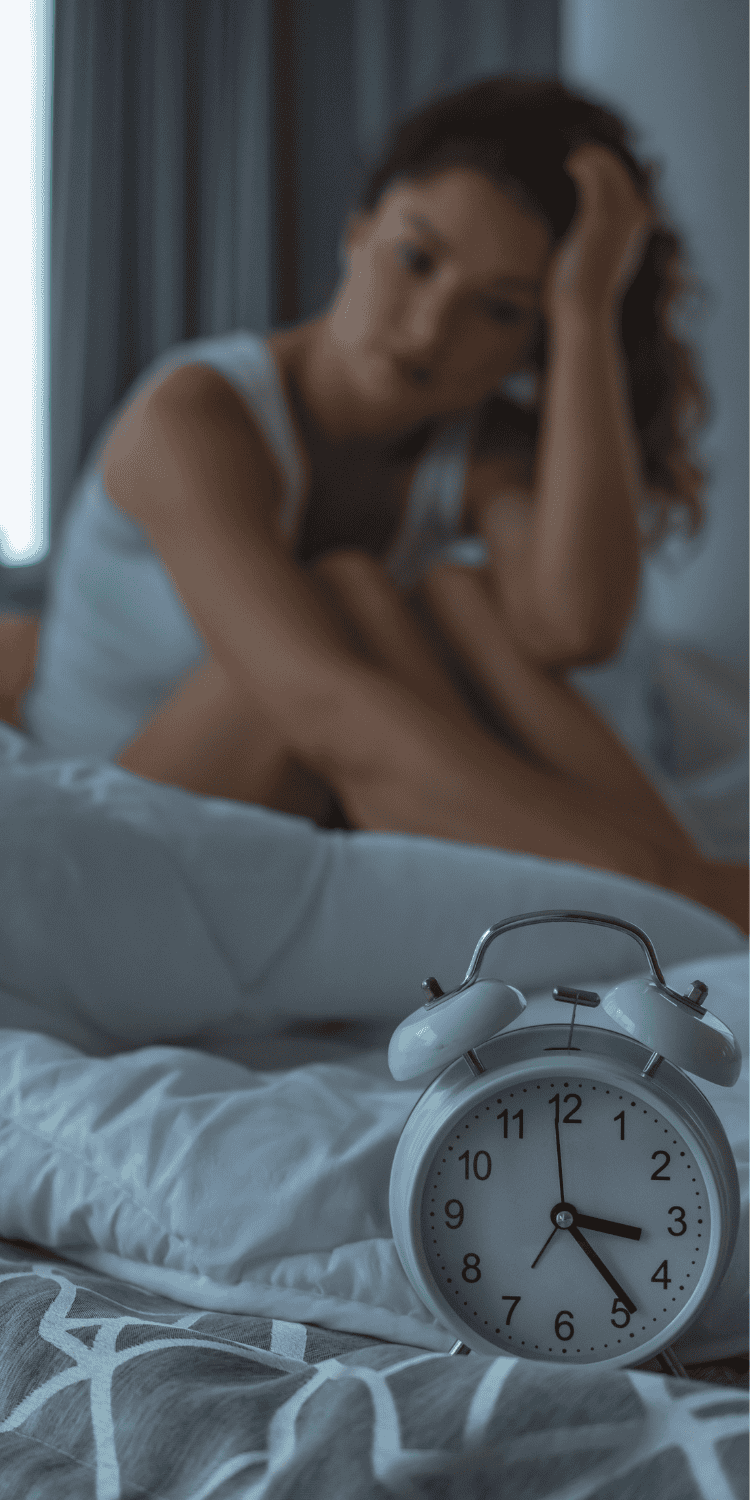
That 3 AM wake-up call isn’t random – there are specific, treatable reasons why midlife women experience this pattern.
Sleep-Disordered Breathing Increases Dramatically
Sleep apnea risk increases 2-3 times after menopause due to:
- Weight redistribution around the midsection
- Decreased muscle tone in throat tissues
- Hormonal changes affecting breathing regulation
The problem: Sleep apnea in women is significantly underdiagnosed because symptoms present differently than in men. Women often experience insomnia, morning headaches, and fatigue rather than obvious snoring.
Restless Leg Syndrome Spikes
Over 50% of postmenopausal women develop restless leg syndrome, characterized by uncomfortable sensations in the legs and an irresistible urge to move them. This often worsens in the evening, making sleep initiation difficult.
The Anxiety-Insomnia Cycle
Midlife brings unique psychological challenges:
- Identity shifts as children become independent
- Career transitions and workplace age discrimination
- Caring for aging parents
- Relationship changes as couples navigate empty nest syndrome
These stressors create an anxiety-insomnia cycle where worry about not sleeping makes sleep even more elusive.
Weight Gain and Sleep Apnea Connection
Hormonal changes often lead to weight gain around the midsection, increasing sleep apnea risk. Unfortunately, sleep apnea makes weight management more difficult, creating a challenging cycle.
The Mental Load Factor
Even when partners share household tasks, women often carry the “mental load” – remembering appointments, managing schedules, anticipating needs. This cognitive burden doesn’t disappear at bedtime, contributing to racing thoughts that prevent sleep.
Evidence-Based Sleep Solutions That Work for Busy Midlife Women

Let’s move beyond generic sleep advice to strategies specifically designed for hormone-affected sleep patterns.
Cognitive Behavioral Therapy for Insomnia (CBT-I): The Gold Standard
CBT-I is more effective than sleep medications for long-term insomnia resolution. Key components include:
Sleep Restriction Therapy: Temporarily limiting time in bed to consolidate sleep. If you’re only sleeping 5 hours but spending 8 hours in bed, initially restrict bed time to 5.5 hours, then gradually increase as sleep efficiency improves.
Stimulus Control: Use your bed only for sleep and intimacy. If you can’t fall asleep within 20 minutes, get up and do a quiet activity until sleepy.
Sleep Hygiene Optimization:
- Keep bedroom temperature between 60-67°F (crucial for menopausal women)
- Use blackout curtains or eye masks
- Remove electronic devices 1 hour before bedtime
- Establish a consistent bedtime routine
Temperature Management: Your New Best Friend
Temperature regulation becomes critical during perimenopause and menopause:
Bedroom Environment:
- Set thermostat to 65°F or lower
- Use a fan for air circulation
- Consider a cooling mattress pad or pillow
- Layer bedding for easy adjustment
Personal Cooling Strategies:
- Keep ice water by your bedside
- Wear moisture-wicking pajamas
- Take a lukewarm shower before bed to lower core temperature
- Use a cooling towel on your neck during hot flashes
Strategic Exercise Timing
Exercise benefits sleep quality, but timing matters more after 40:
Morning Exercise: Helps regulate circadian rhythms and reduces cortisol levels by evening
Afternoon Exercise: Can improve deep sleep phases without interfering with bedtime
Evening Exercise: Should end at least 3 hours before bedtime to allow body temperature to normalize
Best Options for Midlife Women:
- Walking (especially outdoors for light exposure)
- Yoga (particularly restorative poses)
- Swimming (provides cooling effect)
- Strength training (helps with hormonal balance)
The Hormone-Smart Bedtime Routine
Create a 60-90 minute wind-down routine that supports changing hormonal patterns:
90 Minutes Before Bed:
- Dim lights throughout your home
- Stop consuming caffeine or alcohol
- Begin relaxing activities
60 Minutes Before Bed:
- Take a warm bath (helps trigger temperature drop)
- Practice gentle stretching or meditation
- Write in a gratitude journal or worry journal
30 Minutes Before Bed:
- Use blue light blocking glasses if using screens
- Apply cooling gel or lotion
- Practice deep breathing exercises
Bedtime:
- Keep room cool and dark
- Use white noise or earplugs if needed
- Try progressive muscle relaxation
Natural Remedies and Hormone-Friendly Sleep Strategies

While lifestyle changes form the foundation of better sleep, targeted natural remedies can provide additional support during hormonal transitions.
Melatonin: Timing and Dosage Matter
Optimal dosage for midlife women: 1-3mg taken 2-3 hours before desired bedtime. Higher doses (5-10mg) aren’t necessarily more effective and may cause morning grogginess.
Best timing: Take melatonin at the same time each evening to help reset your circadian rhythm.
Quality matters: Choose melatonin supplements that are third-party tested for purity and potency.
Magnesium: The Relaxation Mineral
Magnesium glycinate (200-400mg before bed) can help with:
- Muscle relaxation
- Nervous system calming
- Reduction in restless leg symptoms
- Better stress management
Herbal Remedies with Scientific Backing
Valerian Root: Studies show it can reduce time to fall asleep by 15-20 minutes. Take 300-600mg 30 minutes before bed.
Passionflower: Particularly effective for anxiety-related insomnia. Available as tea or supplement.
Chamomile: Anti-anxiety properties make it helpful for racing thoughts at bedtime.
Black Cohosh: May help with both hot flashes and sleep quality during menopause.
When to Consider Hormone Therapy for Sleep
Hormone replacement therapy (HRT) can be effective for sleep when:
- Hot flashes are severely disrupting sleep
- Other interventions haven’t provided sufficient relief
- Benefits outweigh risks based on individual health profile
Work with a healthcare provider who understands menopause to determine if HRT is appropriate for your situation.
The Truth About Sleep Supplements Marketed to Women
Many supplements marketed specifically to women contain proprietary blends with undisclosed amounts of ingredients. Look for:
- Third-party testing certification
- Clear ingredient amounts
- Evidence-based ingredients
- Avoid proprietary blends with mystery ingredients
Creating Your Hormone-Smart Sleep Sanctuary

Your bedroom environment becomes more important than ever during midlife hormonal changes.
Essential Elements for Temperature Control
Cooling Mattresses and Pillows:
- Memory foam infused with cooling gel
- Latex mattresses (naturally cooler than memory foam)
- Cooling pillows with phase-change materials
Budget-Friendly Cooling Solutions:
- Frozen washcloth on pulse points
- Cooling towel kept in freezer
- Fan positioned to create cross-breeze
- Ice pack wrapped in thin towel for feet
Sleep Technology That Actually Helps
Useful Sleep Tech:
- White noise machines (consistent sound masking)
- Sleep tracking apps (identify patterns, not daily scores)
- Smart thermostats (automatically adjust temperature)
- Blue light blocking glasses
Sleep Tech to Avoid:
- Fitness trackers worn to bed (can increase sleep anxiety)
- Phone-based sleep apps (keep phones out of bedroom)
- Expensive “sleep optimization” gadgets without scientific backing
Pajamas and Bedding for Night Sweats
Fabric Choices:
- Moisture-wicking synthetic blends
- Bamboo fiber (naturally cooling and antimicrobial)
- Linen (breathable but may wrinkle)
- Avoid: Cotton flannel or silk (trap heat)
Bedding Strategy:
- Lightweight comforter with easily removable layers
- Moisture-wicking sheets
- Separate blankets for couples to avoid temperature disputes
Light Management for Shifting Circadian Rhythms
Morning Light Exposure:
- Get 15-30 minutes of bright light within 2 hours of waking
- Use a light therapy lamp during darker months
- Consider a sunrise alarm clock
Evening Light Reduction:
- Dim lights 2-3 hours before bedtime
- Use warm-toned bulbs (2700K or lower) in evening
- Install blackout curtains or use sleep masks
When to Seek Help and What Treatments Actually Work

Knowing when your sleep problems require professional intervention can save months of frustration and prevent other health issues.
Red Flags That Require Medical Attention
Sleep Apnea Warning Signs:
- Loud, frequent snoring
- Gasping or choking during sleep
- Morning headaches
- Excessive daytime fatigue despite adequate sleep time
- High blood pressure that’s difficult to control
Depression or Anxiety Indicators:
- Sleep problems accompanied by persistent sadness
- Loss of interest in activities you once enjoyed
- Excessive worry that interferes with daily functioning
- Thoughts of self-harm
Hormone-Related Concerns:
- Severe hot flashes disrupting sleep multiple times nightly
- Complete inability to fall asleep or stay asleep for weeks
- Sleep problems accompanied by other severe menopausal symptoms
Sleep Apnea Screening Importance for Women Over 40
Sleep apnea affects 1 in 4 women over 40, but diagnosis rates remain low because:
- Women’s symptoms differ from “classic” male presentation
- Healthcare providers may not screen women routinely
- Women often attribute symptoms to hormonal changes
Push for sleep study if you experience:
- Unrefreshing sleep despite adequate time in bed
- Witnessed breathing interruptions
- Morning headaches or dry mouth
- High blood pressure
CBT-I vs. Sleep Medications: What the Research Shows
Cognitive Behavioral Therapy for Insomnia (CBT-I):
- 70-80% of people experience significant improvement
- Benefits persist long-term without continued treatment
- No side effects or dependency risk
- Available through sleep specialists, some primary care providers, or online programs
Sleep Medications:
- Provide short-term relief but don’t address underlying causes
- Risk of dependency and tolerance
- Can interfere with natural sleep architecture
- May interact with other medications common in midlife
Finding Qualified Sleep Specialists
Look for providers who:
- Specialize in sleep medicine
- Have experience with women’s sleep issues
- Offer CBT-I or can refer you to someone who does
- Understand the connection between hormones and sleep
Questions to ask potential providers:
- How do you approach sleep problems in menopausal women?
- Do you offer CBT-I or can you refer me to someone who does?
- What’s your approach to sleep medication vs. behavioral interventions?
- How do you coordinate care with my gynecologist or primary care provider?
When Hormone Therapy Might Help Sleep Quality
HRT may benefit sleep when:
- Hot flashes are the primary sleep disruptor
- Sleep problems coincide with other bothersome menopausal symptoms
- Non-hormonal approaches haven’t provided adequate relief
- Individual risk-benefit analysis favors treatment
Types of hormone therapy for sleep:
- Estrogen therapy (for women without a uterus)
- Combination estrogen-progestin therapy
- Bioidentical hormone preparations
- Low-dose options for sleep-specific benefits

Your Sleep Transformation Starts Tonight

You don’t have to accept poor sleep as an inevitable part of midlife. The strategies in this guide aren’t theoretical – they’re based on scientific research and real-world success stories from thousands of women who have reclaimed their rest.
Start with One Change, Not Twenty
Pick one strategy from this list to implement tonight:
- Set your bedroom temperature to 65°F
- Remove your phone from the bedroom
- Take 3mg of melatonin 2 hours before your target bedtime
- Write down tomorrow’s worries in a notebook to clear your mind
- Do 10 minutes of gentle stretching before bed
Success builds momentum. Once one change becomes habit, add another. This approach prevents overwhelm and increases your chances of long-term success.
Track Progress, Not Perfection
Instead of obsessing over sleep tracker scores, notice:
- How you feel upon waking
- Energy levels throughout the day
- Mood and irritability patterns
- Ability to handle daily stressors
Keep a simple sleep journal noting:
- Bedtime and wake time
- How quickly you fell asleep (estimate)
- Number of times you woke up
- How rested you felt in the morning (1-10 scale)
- Any factors that might have affected sleep (stress, food, exercise)
Your Sleep Challenges Are Temporary and Treatable
The hormonal chaos of perimenopause eventually stabilizes. Many women find that sleep improves naturally 2-3 years after their final menstrual period as hormone levels reach a new, steady state.
In the meantime, the evidence-based strategies you implement now will serve you well beyond menopause. Better sleep habits, stress management skills, and a supportive sleep environment benefit women at every life stage.
Community Support Accelerates Success
Sleep problems can feel isolating, but you’re not alone. Consider:
- Joining online communities for midlife women facing similar challenges
- Working with a healthcare provider who understands women’s sleep issues
- Sharing your journey with friends who might be experiencing similar problems
Remember: Prioritizing your sleep isn’t selfish – it’s essential. Well-rested women are better equipped to care for others, excel in their careers, and fully enjoy this dynamic phase of life.
Your midlife years can be some of your best years, starting with the foundation of restorative sleep. The tools are in your hands. Tonight is the perfect time to begin.
Final Thoughts
Sleepless nights don’t have to be your new normal just because you’ve hit your forties. Understanding how shifting hormones, life stressors, and small lifestyle missteps add up gives you power to tackle sleep problems at their root. I remember thinking I’d tried everything — the fancy sleep apps, the pricey pillows — but real change happened when I started focusing on hormone-smart strategies that actually fit my life.
Start small tonight: cool your room, journal out tomorrow’s worries, or swap scrolling for gentle stretches. These little shifts add up faster than you think. You deserve deep, uninterrupted sleep — and a clear, energized mind to enjoy the full, vibrant life waiting for you tomorrow. Give yourself permission to rest well. You’ve earned it.
What’s your biggest sleep challenge right now? Share in the comments below – your experience might help another woman realize she’s not alone in this journey.
About The Author
Jahlila Bastian is a National Board Certified Health & Wellness Coach (NBC-HWC), Certified Personal Trainer, and Holistic Nutrition Coach who helps women 40+ build stronger, healthier bodies and create a sustainable way of caring for themselves. With additional specializations in weight loss, physique and body composition, and gut health nutrition, her expertise spans nutrition, strength and fitness, healthy weight management, behavior change, and sustainable lifestyle habits.
Jahlila is the creator of The Tri-Sync Method™, her whole-self approach to wellness built around a Strong Body, Steady Mind, and Connected Self. Through practical education and personalized coaching, she helps women work toward the health and body goals that matter to them while building healthier habits, greater confidence, and a way of living that supports who they’re becoming.
Want to learn more about Jahlila and her approach? Meet Jahlila



Leave a Reply