

Table of Contents
You’ve tried everything. The 5 AM workouts, the meal prep Sundays, the motivational podcasts on repeat. Yet here you are again, three weeks into another “this time will be different” promise to yourself, staring at the familiar taste of failure. What if I told you that your lack of willpower isn’t the problem—it’s actually the solution you’ve been searching for all along?
The $78 billion diet industry has convinced you that success is just one more surge of determination away. But here’s what nobody tells you: the women who achieve lasting transformation aren’t the ones with superhuman self-control. They’re the ones who discovered what was really sabotaging their efforts beneath the surface. And once you understand these hidden forces, everything changes.
This post may contain affiliate links. I only recommend products and services I genuinely believe in. Additionally, some images on this website may have been created with the help of AI to convey the feeling I wish to share with my readers.
What You Might Need
Before we dive into these game-changing revelations, here’s what you’ll need to embrace this new paradigm:
15-20 minutes daily for self-reflection and body awareness practices
A willingness to challenge everything you’ve been told about change and motivation
Permission to release the “just push harder” mentality that’s been exhausting you
Openness to explore the emotional and spiritual aspects of your health journey
3-6 months to witness profound shifts when you work with your nature, not against it
The Willpower Myth That’s Keeping You Stuck

Here’s what nobody tells you about willpower: it’s like a smartphone battery that depletes throughout the day, and you’ve been trying to run a marathon on 2% charge. Every decision you make, from choosing what to wear to resisting the office donuts, drains this finite resource. Yet diet culture has convinced millions of women that their inability to maintain superhuman self-control 24/7 is a personal failure.
I’ve watched thousands of brilliant, capable women blame themselves for “lacking discipline” when the real problem is they’re fighting against their own biology. The science is crystal clear: relying on willpower alone has a 95% failure rate for long-term weight management. That’s not because you’re weak—it’s because the system is designed to fail you.
The Neurological Truth About Decision Fatigue
Your brain makes approximately 35,000 decisions per day, and each one chips away at your capacity for self-control. By 3 PM, your prefrontal cortex—the part responsible for executive decisions—is running on empty. This is why you can eat perfectly all day, then find yourself elbow-deep in a bag of chips after dinner, wondering what happened to your “willpower.”
Research from Stanford University shows that when glucose levels drop, so does our ability to resist temptation. Your evening food choices aren’t about character flaws—they’re about brain chemistry. The women who succeed long-term understand this and work with their biology, not against it.
Why the Fitness Industry Profits from Your “Failures”
The $78 billion diet industry depends on you believing that willpower is the answer. If they acknowledged that sustainable change requires addressing deeper psychological and physiological factors, they’d lose their most profitable customer: the repeat buyer. The average woman tries 126 different diets in her lifetime, generating incredible revenue from the try-fail-repeat cycle.
Breaking free means recognizing that your “failures” weren’t failures at all—they were your body’s intelligent response to an unsustainable approach. When you understand this, everything shifts from self-blame to self-compassion, and that’s where real transformation begins.
How to Recognize Willpower Depletion Before It Sabotages You
Notice these warning signs that your self-control reserves are running low:
• Physical fatigue that feels different from normal tiredness
• Increased irritability over small inconveniences
• All-or-nothing thinking replacing your usual flexibility
• Cravings for high-sugar, high-fat foods intensifying after 2 PM
• Procrastination on tasks that usually feel manageable
• Emotional reactivity to situations you’d normally handle calmly
• The urge to say “screw it” to your healthy intentions
When you spot these signs, it’s time to switch from willpower to systems and support. This isn’t giving up—it’s getting smart about how change actually works.
The most successful women I work with have learned to anticipate these moments and have backup plans that don’t require superhuman strength. They’ve stopped trying to be perfect and started being strategic.
What Science Really Says About Sustainable Change
What if I told you that your brain is actually wired to resist the very changes you’re desperately trying to make? It’s not personal—it’s neurological. Your brain’s primary job is to keep you alive, and to your ancient nervous system, change equals danger. Every time you try to overhaul your life overnight, you’re essentially triggering your brain’s alarm system.
The fascinating truth is that lasting transformation happens in the background, not through dramatic upheavals. Neuroscience research reveals that small, consistent changes create new neural pathways over 60-90 days, while extreme changes activate stress responses that make your brain fight back. This is why the “go big or go home” mentality fails 95% of the time.
The Surprising Role of Neuroplasticity in Habit Formation
Your brain is constantly rewiring itself based on repeated experiences—this is called neuroplasticity. When you perform the same action for just 21-66 days, you’re literally carving new highways in your brain. But here’s the catch: stress hormones like cortisol actually inhibit this rewiring process, which is why forcing change through willpower backfires.
Research from MIT shows that habits are stored in a primitive part of the brain called the basal ganglia, completely separate from your conscious decision-making center. This means that once a behavior becomes automatic, it requires zero willpower to maintain. The secret is getting to that automatic stage without triggering your brain’s resistance mechanisms.
Why Intrinsic Motivation Trumps External Pressure Every Time
Studies consistently show that people motivated by internal factors—like feeling energetic or confident—maintain changes 3x longer than those driven by external pressures like fitting into jeans or pleasing others. Your brain is designed to sustain behaviors that feel personally meaningful, not socially imposed.
When you connect with your deepest “why”—beyond appearance or approval—you tap into a renewable energy source that doesn’t deplete like willpower does. This is why the women who transform their lives for good aren’t following someone else’s plan; they’re honoring their own internal guidance system.
How to Work With Your Brain’s Natural Change Process
Instead of fighting your neurology, use these brain-friendly approaches:
• Start with changes so small they feel almost silly (2-minute workouts, one vegetable per meal)
• Attach new habits to existing routines to leverage established neural pathways
• Celebrate micro-wins immediately to release dopamine and reinforce the new pattern
• Practice new behaviors at the same time daily to accelerate neural pathway formation
• Remove friction from desired behaviors and add friction to unwanted ones
• Use environmental design rather than relying on in-the-moment decisions
• Track consistency, not perfection to maintain motivation without triggering shame
Your brain becomes your ally when you respect its natural processes instead of trying to override them. This shift from force to flow is where sustainable transformation lives.
The Hidden Forces Actually Sabotaging Your Success
Your conscious mind makes up only 5% of your mental activity, while 95% happens below your awareness. Those subconscious patterns—formed in childhood, through trauma, or from cultural conditioning—are running the show. You can have all the willpower in the world, but if your unconscious mind believes you don’t deserve to feel good in your body, you’ll sabotage yourself every time.
I’ve seen brilliant women with PhD’s who can solve complex problems at work, yet can’t figure out why they eat emotionally every night. The answer isn’t in their frontal lobe—it’s in their nervous system, their unhealed wounds, and their inherited beliefs about worthiness. Until you address these deeper layers, you’re essentially trying to renovate a house while the foundation is cracking.
The Emotional Patterns Driving Your Food Choices
Every time you reach for food when you’re not physically hungry, you’re trying to meet an emotional need. Your brilliant mind has learned that certain foods provide temporary relief from stress, loneliness, anxiety, or overwhelm. This isn’t a character flaw—it’s an adaptive coping mechanism that once served you.
Research shows that 75% of overeating is driven by emotions, not hunger. Your relationship with food is actually a mirror of your relationship with feelings. When you learn healthier ways to process emotions, the compulsive eating naturally decreases without requiring superhuman restraint.
How Unresolved Trauma Shows Up in Your Body
Trauma isn’t just the “big” events—it’s any experience where you felt overwhelmed and unable to complete your natural stress response. This unprocessed energy gets stored in your body and can show up as chronic tension, digestive issues, hormonal imbalances, and yes—patterns around food and movement that seem impossible to change.
Your nervous system may have learned that your body isn’t safe, leading to disconnection from hunger cues, exercise avoidance, or using food to numb feelings. Healing happens when you create new experiences of safety and connection in your body, not through willpower or discipline.
How to Identify Your Personal Sabotage Patterns
Start noticing these unconscious patterns that may be undermining your efforts:
• Self-sabotage timing: Do you abandon healthy habits right before seeing results?
• All-or-nothing thinking: Does one “mistake” lead to completely giving up?
• Perfectionism paralysis: Do you delay starting until conditions are “perfect”?
• People-pleasing exhaustion: Do you neglect your needs to meet others’ expectations?
• Comparison spirals: Do you quit when you see others progressing faster?
• Emotional eating triggers: What feelings consistently lead to mindless eating?
• Inner critic attacks: What does your internal dialogue sound like during struggles?
Awareness is the first step to transformation. When you can observe these patterns with curiosity instead of judgment, you create space for new choices to emerge.
Once you understand your unique blueprint of unconscious programming, you can begin to rewrite the script with compassion and patience. This inner work is far more powerful than any external strategy because it addresses the root cause, not just the symptoms.
Why Your Body Rebels Against Quick Fixes
What if I told you that your body is actually protecting you every time it “fails” at another diet? Your brilliant biological system has survival mechanisms that have kept humans alive for thousands of years. When you drastically reduce calories or over-exercise, your body doesn’t know you’re trying to lose weight—it thinks you’re in a famine or fleeing from danger.
Within 72 hours of restriction, your metabolism can slow by up to 40%, your hunger hormones surge, and your body begins breaking down muscle tissue to preserve fat stores. This isn’t self-sabotage—it’s your body doing exactly what it’s designed to do. Fighting this biology with willpower is like trying to hold your breath indefinitely. Your body will always win.
The Metabolic Damage from Chronic Dieting
Each diet cycle teaches your body to become more efficient at storing fat and slower at burning it. Research shows that people who have been chronic dieters often have metabolisms 200-300 calories slower than people of the same size who never dieted. And this can increase over time depending on the level of restriction the body undergoes. Your body will literally adapt to protect you from what it perceives as repeated threats.
This metabolic adaptation can take 6-12 months to reverse, which is why sustainable approaches require patience and consistency rather than dramatic overhauls. Your body needs to trust that food will always be available and movement will feel good, not punitive.
How Stress Hormones Hijack Your Best Intentions
When you’re chronically stressed—from dieting, over-exercising, work pressure, or life demands—your body produces cortisol, which directly opposes fat loss and muscle building. High cortisol levels increase appetite, particularly for high-calorie comfort foods, and promote fat storage around your midsection.
This is why stress management isn’t optional for lasting transformation—it’s essential. The women who succeed long-term prioritize nervous system regulation as much as nutrition and movement. They understand that their body can’t heal in a state of chronic stress.
How to Support Your Body’s Natural Healing Process
Work with your biology instead of against it using these strategies:
• Eat consistently to signal safety and prevent metabolic slowdown
• Include adequate protein and healthy fats to support hormone production
• Prioritize 7-9 hours of quality sleep for metabolic recovery and appetite regulation
• Move in ways that feel joyful rather than punitive to avoid stress hormone spikes
• Practice stress-reduction techniques like meditation, breathwork, or gentle yoga
• Stay hydrated with half your body weight in ounces of water daily
• Consider working with professionals who understand metabolic repair and trauma-informed care
Your body wants to be healthy and vibrant—it just needs the right wellness focused system to heal. When you create an environment of safety, nourishment, and life giving movement, your body naturally RESETS and releases stored fat finding its way to optimal weight and energy levels.
The most profound shifts happen when you stop trying to force your body into submission and start partnering with its innate wisdom. This collaborative approach feels completely different from the adversarial relationship most women have with their bodies.
The Mind-Body-Soul Connection Missing from Traditional Approaches

Here’s what nobody tells you about lasting transformation: it requires alignment between what you think, how you feel, and who you’re becoming at the deepest level. Most approaches focus solely on behavior change—eat this, don’t eat that, exercise more—but ignore the mental and spiritual dimensions that drive those behaviors. It’s like trying to change your reflection in the mirror without changing what’s in front of it.
The women who create lasting change don’t just change their habits—they change their identity. They stop seeing themselves as someone who struggles with food and starts embodying someone who naturally makes nourishing choices. This identity shift happens when mind, body, and soul are working in harmony rather than conflict.
Why Disconnection from Your Body Creates Internal War
Most of us learned to disconnect from our bodies early in life as a survival mechanism. Maybe you were criticized for your appearance, experienced trauma, or absorbed cultural messages that your body couldn’t be trusted. This disconnection creates a split where your mind makes decisions your body rebels against.
Reconnecting with your body’s wisdom—its hunger cues, energy patterns, and movement preferences—is like recovering a lost language. When you can feel what your body actually needs moment to moment, external rules become unnecessary. Your body naturally guides you toward what serves your highest good. But it is your job to discover the wellness system that RE-ALIGNS you with your bod’s wisdom.
The Role of Spiritual Alignment in Physical Transformation
Your soul has a vision for your life that extends far beyond a number on the scale. When your health journey aligns with your deeper purpose—whether that’s having energy to play with your kids, feeling confident in your skin, or modeling self-love for others—you tap into a renewable source of motivation that transcends willpower.
This spiritual component isn’t woo-woo—it’s practical. Research shows that people with a strong sense of purpose have better health outcomes, lower stress levels, and greater resilience in the face of challenges. When your transformation journey serves something bigger than yourself, obstacles become opportunities for growth rather than reasons to quit.
How to Create Harmony Between Your Three Centers
Integrate your thinking, feeling, and being with these practices:
• Morning check-ins: Ask your mind what it needs, your body how it feels, and your soul what would bring joy
• Mindful eating: Notice thoughts about food, physical hunger sensations, and what feels nourishing to your spirit
• Movement meditation: Choose activities that engage your mind, honor your body’s capacity, and feed your soul
• Evening reflection: Review the day for moments of alignment and areas of disconnection
• Boundary practices: Say no to things that create internal conflict and yes to what feels authentic
• Creative expression: Engage in activities that integrate thinking, feeling, and being simultaneously
• Nature connection: Spend time outdoors to naturally synchronize your internal rhythms
When your mind, body, and soul are working together instead of against each other, transformation becomes effortless. You stop forcing change and start flowing with your natural evolution.
This integration doesn’t happen overnight, but every moment of alignment builds trust between these three centers. Eventually, living in harmony becomes your new normal, and healthy choices feel like the most natural thing in the world.
Breaking Free from the Try-Fail-Repeat Cycle
What if I told you that your pattern of starting and stopping isn’t a character flaw—it’s actually intelligent feedback from your system? Every time you “fail,” you’re gathering valuable data about what doesn’t work for your unique body, mind, and lifestyle. The problem isn’t the stopping; it’s the story you tell yourself about what it means.
I’ve watched women transform their entire relationship with change simply by reframing their past attempts as research rather than failures. Each cycle taught them something essential: this approach was too restrictive, that timeline was unrealistic, those expectations were someone else’s, not theirs. This wisdom becomes the foundation for an approach that actually sticks.
How to Identify Your Personal Change Patterns
Your history contains the blueprint for your breakthrough. Instead of dismissing your past attempts as failures, analyze them like a scientist studying data. What worked initially? Where did things start to fall apart? What external pressures influenced your choices? What internal stories played on repeat?
Most women discover they have predictable patterns: they start strong in January, lose steam by March, and completely abandon their goals by summer. Or they do well when life is calm but fall apart under stress. These patterns aren’t weaknesses—they’re your system’s way of showing you what needs to be addressed.
The Neuroscience of Breaking Unconscious Loops
Your brain is wired to repeat familiar patterns, even painful ones, because they feel safer than the unknown. This is why you might find yourself reaching for the same solutions that haven’t worked before. Breaking free requires conscious intervention at the moment of choice.
Neuroscientist Dr. Joe Dispenza’s research shows that it takes deliberate practice to interrupt unconscious patterns and create new neural pathways. The key is catching yourself in the familiar loop and consciously choosing a different response, even if it feels uncomfortable at first.
How to Create a Pattern-Breaking Protocol
Design your escape route from the try-fail-repeat cycle:
• Document your pattern triggers: What circumstances typically derail your efforts?
• Identify early warning signs: What thoughts, feelings, or behaviors signal you’re about to abandon your goals?
• Create micro-interventions: Develop 2-minute practices you can use when you notice the pattern beginning
• Design recovery protocols: Plan how you’ll respond when you do go off track (because it’s normal) This is what I call Your Wellness Self-Care Lifestyle System, a system that you can return to for life long success.
• Build in flexibility: Create multiple pathways to your goals so one detour doesn’t derail everything
• Celebrate pattern awareness: Acknowledge when you catch yourself in the loop, even if you don’t change it yet
• Practice self-compassion: Treat yourself with the same kindness you’d show a good friend learning something new
The goal isn’t to never fall into old patterns—it’s to recognize them faster and recover more quickly each time. Every moment of awareness weakens the unconscious loop and strengthens your capacity for conscious choice.
Freedom from the cycle happens when you stop trying to be perfect and start getting curious about what wants to emerge through you. This shift from self-criticism to self-discovery changes everything about how transformation unfolds.
A New Framework for Lasting Transformation
Here’s what nobody tells you about the women who succeed long-term: they didn’t follow someone else’s blueprint—they created their own. They stopped looking for the “perfect” program and started designing an approach that honored their unique body, lifestyle, values, and dreams. This isn’t rebellion against proven methods; it’s recognition that sustainable change must be personally sustainable.
The framework that creates lasting transformation has three non-negotiable pillars: body wisdom, mental clarity, and soul alignment. When all three are working together, change feels natural, effortless, and deeply satisfying. When one is missing, you’ll find yourself struggling against invisible resistance, no matter how much willpower you apply.
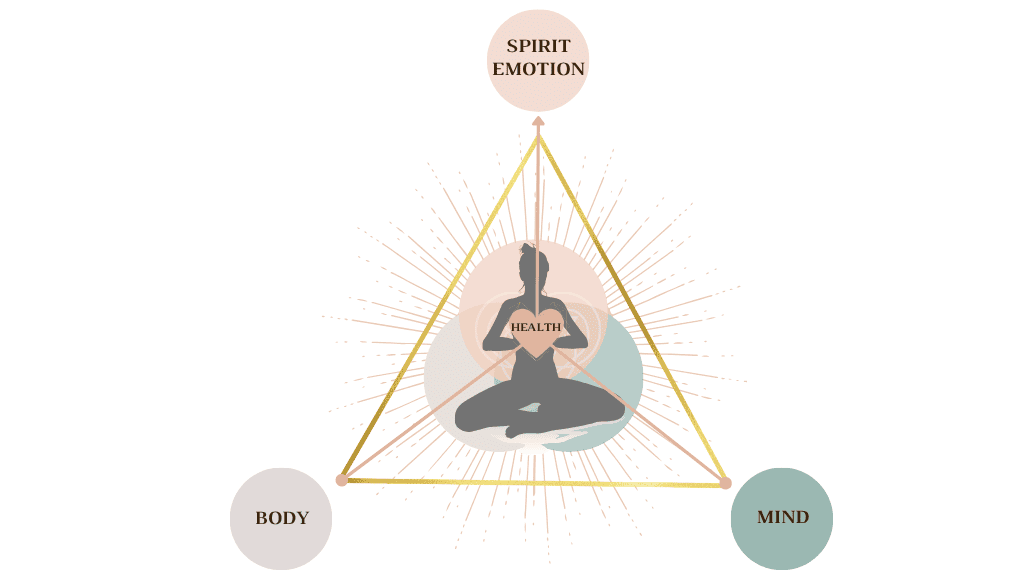
The Three Pillars of Authentic Transformation
Body Wisdom means learning to trust your body’s intelligence rather than overriding it with external rules. Your body knows when it’s hungry, what foods make it feel vibrant, how much movement feels good, and when it needs rest. This isn’t about perfection—it’s about partnership.
Mental Clarity involves examining the beliefs, stories, and patterns that drive your choices. Most of our thoughts about health, worth, and change were inherited from family, culture, or past experiences. When you can observe these mental patterns without being controlled by them, you create space for new possibilities.
Soul Alignment asks the deeper question: Who are you becoming through this journey? What does your highest self look like, feel like, and value? When your health journey serves your soul’s evolution, every choice becomes an act of self-love rather than self-improvement.
Why Integration Matters More Than Perfection
The magic happens in the integration of these three pillars, not in perfecting any one of them. You might have days when your body craves comfort food—that’s body wisdom if you’re genuinely stressed and need nurturing. The mental clarity piece asks: Is this serving my highest good? The soul alignment piece asks: How can I honor this need in a way that feels loving?
This integrated approach means you’ll never have to follow rigid rules again. Instead, you’ll have an internal guidance system that adapts to your changing needs, circumstances, and growth edges. Some days you’ll need gentle movement; others you’ll crave intensity. Some seasons you’ll focus on healing; others on building strength.
How to Begin Building Your Personal Framework
Start integrating the three pillars with these foundational practices:
• Daily body check-ins: Spend 2 minutes each morning asking your body what it needs today
• Belief inventory: Write down your thoughts about health, weight, and change, then question their truth
• Values clarification: Identify your top 5 values and assess how your current habits align with them
• Energy tracking: Notice what foods, activities, and thoughts increase or decrease your vitality
• Intuition development: Practice asking your deeper wisdom for guidance on daily choices
• Integration journaling: Reflect on how your mind, body, and soul responded to different experiences
• Gentle experimentation: Try new approaches with curiosity rather than attachment to specific outcomes
This framework isn’t about doing everything perfectly—it’s about doing things consciously. Every choice becomes an opportunity to strengthen the connection between your thinking, feeling, and being.
The women who transform their lives for good aren’t following the latest trend—they’re following their own authentic path. This internal compass, once calibrated, never leads you astray because it’s based on what’s actually true for you, not what worked for someone else.
This approach is something you’ve never seen before. THIS IS NOT A DIET! If this sounds like the solution you’ve been searching for—if you’re ready to heal your body, restore mental clarity, and create lasting food freedom while achieving sustainable fat loss, improving your health, life, and well-being—then search no further… You will never struggle again!

I invite you to book a free discovery call with me. During this call, we’ll explore how the RESET, RE-BALANCE, RE-ALIGN approach can transform your relationship with food, your body, and your wellness, helping you achieve the lasting results you deserve. Click the button above to schedule your complimentary session and take the first step toward ending the dieting cycle forever so you can take back your body, health, and life.
Final Thoughts
Here’s the truth about lasting change: it’s not about becoming a different person—it’s about removing everything that’s not authentically you. All those rules, restrictions, and rigid plans have been covering up your body’s natural wisdom, your mind’s innate clarity, and your soul’s deep knowing about what truly serves you.
You’ve never lacked willpower. You’ve been magnificent at overriding your body’s signals, pushing through exhaustion, and forcing yourself into molds that were never meant to fit you. That’s not weakness—that’s incredible strength applied in the wrong direction. Imagine what happens when you redirect that same power toward working with your nature instead of against it.
Maybe your system responds to gentle morning movement instead of intense evening workouts. Maybe you thrive on three solid meals rather than constant grazing. Maybe your body needs more rest, more play, more permission to just be human. The answers aren’t in another expert’s plan—they’re already within you, waiting to be discovered.
Start with whatever calls to you most from what you’ve read today. Trust that your body, mind, and soul are already collaborating to guide you toward what you need next. Your transformation doesn’t require perfection—it requires presence, curiosity, and the radical act of listening to your own wisdom.
The women who break free from the try-fail-repeat cycle aren’t the ones with superhuman discipline. They’re the ones who finally stopped fighting themselves and started partnering with the incredible intelligence that’s been there all along. That intelligence is you. That wisdom is you. That power to change has always been you.
This post may contain affiliate links. I only recommend products and services I genuinely believe in. Additionally, some images on this website may have been created with the help of AI to convey the feeling I wish to share with my readers.
Frequently Asked Questions
How long does it take to see results without relying on willpower?
Most women notice internal shifts—less food obsession, improved energy, better sleep—within 2-4 weeks of working with their body’s wisdom instead of against it. Physical changes typically become apparent within 6-12 weeks because your body needs time to trust that this isn’t another temporary restriction. The timeline varies based on your history with dieting, stress levels, and how consistently you apply these principles. Remember, sustainable change unfolds in layers, not linear progressions.
What if I’ve tried intuitive eating and it didn’t work for me?
Intuitive eating is just one tool, and it requires a regulated nervous system to work effectively. If you’ve experienced trauma, chronic dieting, or high stress, your hunger and fullness cues may be disrupted. Start with nervous system healing, emotional regulation skills, and rebuilding trust with your body before expecting intuitive eating to feel natural. Many women need professional support to navigate this process, especially if food has been their primary coping mechanism.
Is it possible to lose weight without restricting calories or following a specific diet?
Yes, when you address the root causes of why your body has been holding onto weight. Often this includes healing your metabolism from past dieting damage, reducing chronic stress and inflammation, balancing hormones, and resolving emotional patterns around food. Your body has a natural set point it wants to maintain when it feels safe and nourished. Focus on creating optimal conditions for health, and your body will shed fat and find its natural weight rather than forcing it to comply with external standards.
How do I know if my approach is working if I’m not tracking calories or weighing myself?
Track energy levels, sleep quality, mood stability, strength improvements, and how your clothes fit rather than numbers on a scale. Notice if you’re thinking about food less obsessively, feeling more confident in your body, and making choices from love rather than fear. These internal metrics are far more reliable indicators of health than external measurements. Your relationship with your body improving is often the first and most important sign that you’re on the right path.
What should I do when I feel triggered to return to old diet mentality habits?
First, acknowledge that this is completely normal—old neural pathways don’t disappear overnight. Use the trigger as information: What’s feeling out of control that makes you want to grasp for familiar restrictions? Often the urge to diet resurfaces during times of stress, transition, or when comparing ourselves to others. Practice grounding techniques, journal about what you’re really needing, and reach out for support. Remember that healing isn’t linear, and every moment of awareness strengthens your new approach. If you’re ready for personalized support and accountability on this journey, I’d love to connect with you on a call to see how I can help you create lasting transformation.
About The Author
Jahlila Bastian is a National Board Certified Health & Wellness Coach (NBC-HWC), Certified Personal Trainer, and Holistic Nutrition Coach who helps women 40+ build stronger, healthier bodies and create a sustainable way of caring for themselves. With additional specializations in weight loss, physique and body composition, and gut health nutrition, her expertise spans nutrition, strength and fitness, healthy weight management, behavior change, and sustainable lifestyle habits.
Jahlila is the creator of The Tri-Sync Method™, her whole-self approach to wellness built around a Strong Body, Steady Mind, and Connected Self. Through practical education and personalized coaching, she helps women work toward the health and body goals that matter to them while building healthier habits, greater confidence, and a way of living that supports who they’re becoming.
Want to learn more about Jahlila and her approach? Meet Jahlila



Leave a Reply