

Table of Contents
Here’s what nobody tells you about fitness: if the gym feels overwhelming, inconvenient, or impossible to stick with, that doesn’t mean you’re unmotivated. It usually means the approach doesn’t fit your life. Most fitness advice assumes unlimited time, energy, and structure. Real life rarely works that way.
If you’ve ever started strong and then slowly drifted away from your goals, you’re not failing. You’re responding to a system that asks too much. A fit body isn’t built only inside a gym. It’s built through habits that meet you where you are—habits that feel doable, flexible, and supportive enough to return to again and again.
This post may contain affiliate links. I only recommend products and services I genuinely believe in. Additionally, some images on this website may have been created with the help of AI to convey the feeling and aesthetic I wish to share with my readers.
What You Might Need
Before we dive into these ideas, it helps to set a few expectations that will support you:
- Time: 5–30 minutes at a time, depending on the habit
- Budget: Mostly free, with optional low-cost tools you may already have
- Mindset: Support over pressure, curiosity over control
- Focus: Consistency instead of intensity
- Permission: To let go of “all-or-nothing” thinking
You don’t need more discipline. You need habits that work with your life.
1. Build a Daily Walking Routine That Supports a Fit Body
What if you’ve been told walking “doesn’t count” unless it’s intense or long? That belief alone stops many people from seeing results. Walking is one of the most reliable ways to support a fit body without burning out. It’s accessible, repeatable, and surprisingly effective.
This matters more than you think because consistency beats intensity every time. When movement feels easy to return to, it actually sticks. Walking supports circulation, metabolism, and mental clarity—all without the stress of structured workouts.
Benefits of walking for consistency and confidence
Walking lowers the barrier to movement and reduces pressure. You feel capable instead of behind, which builds confidence over time.
Enhancing energy through gentle daily movement
You may notice steadier energy, better mood, and less stiffness when walking becomes regular.
Pairing walking with real-life routines
Walking fits naturally into errands, breaks, or transitions instead of requiring extra planning.
How to build a walking habit that feels supportive
- Start with 5–10 minutes and notice how your body responds
- Walk at a pace that feels steady, not forced
- Let walking replace “skipped workouts”
- Notice mental clarity or mood shifts afterward
- Avoid turning it into a calorie-burning task
When walking feels supportive, it becomes something you return to—not something you avoid.
2. Use Gentle Morning Movement to Support a Healthy Body
What if you’ve been told that morning workouts only count if they’re intense or time-consuming? That belief alone keeps many people stuck in an all-or-nothing cycle. Gentle morning movement isn’t about pushing your body before it’s ready. It’s about helping your body feel safe, awake, and supported as the day begins.
This matters more than it seems because the way you start your morning often shapes how you treat your body all day. When movement feels calm and doable first thing, you’re more likely to stay connected to your body instead of avoiding movement altogether.
Benefits of morning movement for ease and consistency
Gentle movement improves circulation and reduces stiffness without draining energy.
Enhancing body awareness through slow starts
You may notice improved posture and fewer aches as your body warms gradually.
Pairing movement with existing routines
Stretching while coffee brews or after brushing your teeth makes this habit easier to keep.
How to create a gentle morning movement habit
- Choose 3–5 simple movements
- Move slowly and notice joint comfort
- Stop before it feels like “too much”
- Notice easier movement later in the day
- Avoid turning mornings into obligation
Supportive mornings create consistent days.
3. Practice Simple At-Home Strength Habits
Here’s what most fitness advice gets wrong about strength training: it treats it like an event instead of a habit. Strength doesn’t require a gym, heavy equipment, or long sessions to be effective. What it actually needs is consistency and approachability.
When strength habits are simple and repeatable, they stop feeling intimidating. That’s when they begin to support confidence, posture, and everyday movement in a way that fits into real life instead of competing with it.
Benefits of strength for a fit body
Strength supports stability, posture, and everyday confidence.
Enhancing results through short sessions
Small efforts add up and feel easier to repeat.
Pairing strength with daily life
Bodyweight movements fit naturally into breaks or transitions.
How to build strength habits without pressure
- Choose one or two simple movements
- Focus on form instead of reps
- Notice ease in daily tasks
- Stop before strain
- Avoid chasing soreness
Strength feels better when it’s built gently.
4. Improve Posture Through Everyday Awareness
This matters more than you think because posture affects how your body feels all day. Poor alignment can quietly drain energy and create discomfort. Gentle awareness restores ease without adding more tasks.
Posture isn’t about standing perfectly. It’s about noticing how you hold your body and making small adjustments that reduce strain.
Benefits of posture for body confidence
Improved posture supports comfort and presence.
Enhancing comfort through alignment
You may notice reduced tension in the neck and back.
Pairing posture with daily activities
Posture awareness fits into sitting, standing, and walking.
How to build posture awareness gently
- Check posture during transitions
- Soften shoulders instead of forcing them back
- Notice reduced tension
- Avoid rigid rules
- Let awareness guide change
Ease comes from attention, not correction.
5. Build Fitness Through Lifestyle Movement
What if fitness didn’t require extra time at all? Lifestyle movement shifts the focus from “working out” to simply moving more throughout the day. This approach works because it removes performance pressure.
When movement is woven into daily life, it becomes automatic. That consistency supports a fit body far more reliably than sporadic intensity.
Benefits of lifestyle movement for consistency
Movement happens without planning or stress.
Enhancing energy through natural activity
Your body stays engaged throughout the day.
Pairing movement with normal tasks
Cleaning, errands, and transitions all count.
How to increase lifestyle movement easily
- Take short movement breaks
- Choose longer routes when possible
- Notice improved focus
- Avoid tracking everything
- Let movement feel natural
Fitness sticks when it feels like life.
6. Support a Fit Body With Recovery and Rest
Here’s what most advice ignores: recovery is not optional if you want fitness habits to last. Without rest, even the best intentions fall apart. Recovery allows your body to rebuild, regulate stress, and stay willing to move again.
When rest is treated as part of fitness instead of a reward for exhaustion, consistency improves. You feel less sore, less discouraged, and far more capable of returning to movement without resistance.
Benefits of recovery for long-term fitness
Less soreness and more willingness to move.
Enhancing progress through rest
Recovery supports muscle repair and balance.
Pairing rest with gentle movement
Stretching and downtime complement activity.
How to support recovery at home
- Schedule rest intentionally
- Notice energy after rest
- Stretch gently
- Avoid earning rest through exhaustion
- Respect tired signals
Rest keeps habits alive.
7. Create Body-Positive Nutrition Habits That Support Fitness
Nutrition becomes a problem when it’s framed as control instead of support. Body-positive nutrition habits focus on fueling your body in a way that feels steady, flexible, and sustainable. This approach helps you stay consistent without the mental fatigue of rigid rules.
When food supports energy instead of guilt, movement feels easier. Your body becomes something you work with, not something you manage or fix.
Benefits of supportive nutrition habits
Steadier energy and improved mood.
Enhancing consistency through simple choices
Balanced meals support daily movement.
Pairing nutrition with real routines
No rigid plans required.
How to build supportive nutrition habits
- Eat regularly
- Notice energy after meals
- Focus on satisfaction
- Avoid strict rules
- Stay flexible
Food should support movement, not manage it.
8. Build Consistency With Small, Repeatable Habits
If fitness has felt hard to maintain, it’s often because the habits were too big to repeat. Small habits work because they fit into real life without requiring motivation to be high. They reduce overwhelm and make progress feel possible again.
Consistency grows when habits are simple enough to return to on low-energy days. That reliability is what actually creates long-term change.
Benefits of small habits
Reduced overwhelm and increased confidence.
Enhancing follow-through through simplicity
Less decision fatigue.
Pairing habits with real schedules
Busy lives need flexible habits.
How to choose habits that stick
- Start smaller than expected
- Repeat before adding more
- Notice confidence building
- Avoid frequent resets
- Let habits evolve
Small habits create lasting change.
9. Use a Fit Body Vision Board for Gentle Motivation
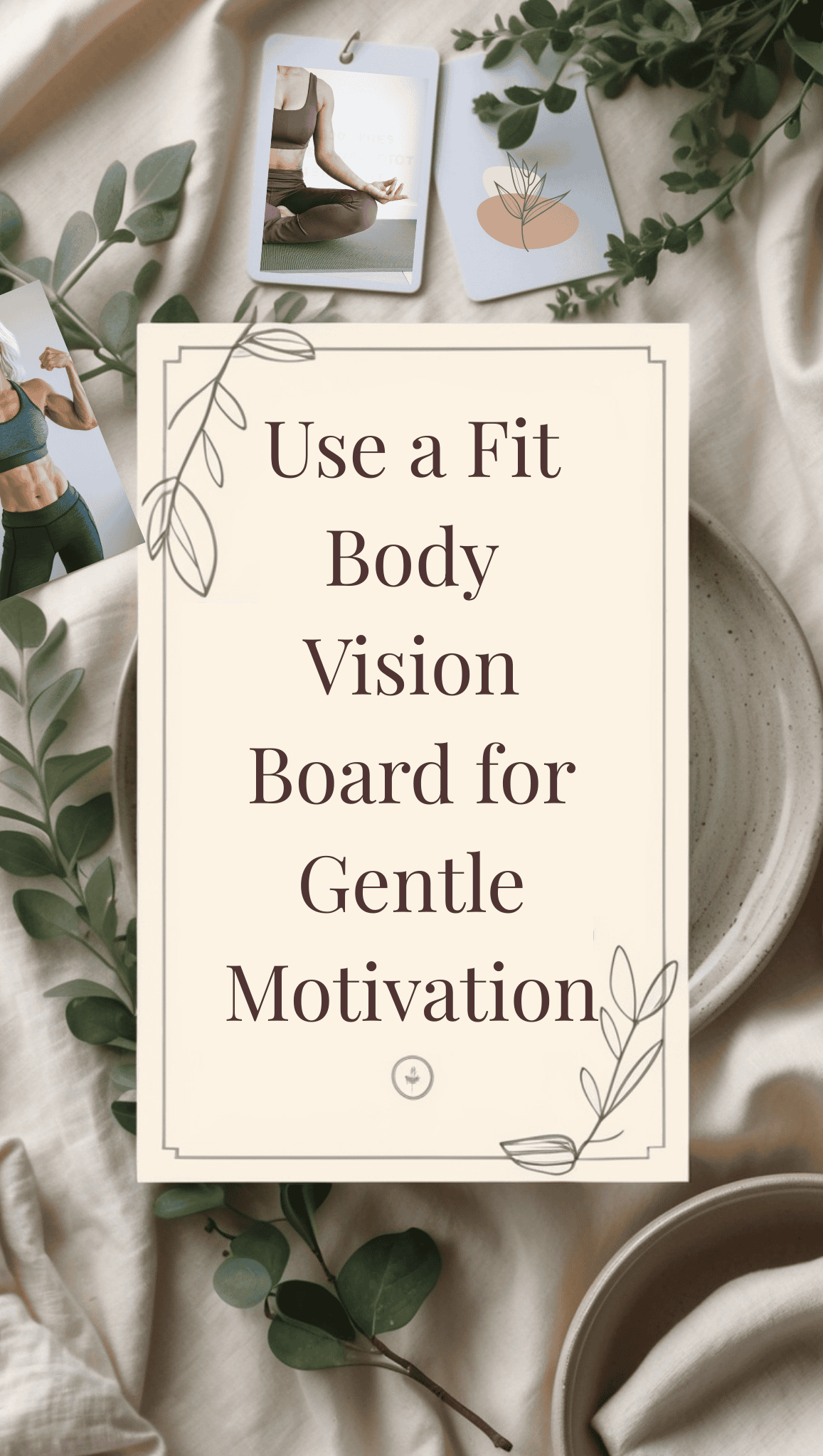
Vision boards work best when they inspire without pressure. A fit body vision board isn’t meant to demand change or highlight what’s missing. It’s meant to keep your goals emotionally present in a calm, supportive way.
When visuals reflect how you want to feel rather than how you think you should look, motivation becomes steadier. That emotional alignment makes daily habits easier to follow through on.
Benefits of visual motivation
Goals stay emotionally connected.
Enhancing alignment through imagery
Visual cues guide choices gently.
Pairing vision with daily action
Small habits reflect long-term goals.
How to create a supportive vision board
- Choose calming, realistic imagery
- Notice emotional responses
- Update as life changes
- Avoid comparison-based visuals
- Let it inspire, not pressure
Motivation works best when it feels safe.
10. Align Fit Body Habits With Your Real Life
Here’s the shift that makes everything stick: fitness habits must match the season of life you’re actually in. Habits fail when they’re built for a version of life that no longer exists. Alignment removes that friction.
When your habits reflect your current energy, schedule, and responsibilities, consistency stops feeling like a struggle. Fitness becomes something that supports your life instead of competing with it.
Benefits of realistic alignment
Fewer restarts and more consistency.
Enhancing success through flexibility
Life changes—habits should too.
Pairing goals with real energy
Energy matters more than intention.
How to align habits with real life
- Adjust expectations
- Choose what fits now
- Notice reduced resistance
- Stop comparing to past versions
- Let consistency define success
Fitness lasts when it fits your life.
Final Thoughts
Here’s the truth that changes everything: you don’t need a gym to build a fit body. You need habits that respect your energy, schedule, and reality. If fitness hasn’t stuck before, that doesn’t mean you failed—it means the approach didn’t fit yet. Start with one habit that feels kind and doable. Small steps, repeated gently, build confidence that lasts.
This post may contain affiliate links. I only recommend products and services I genuinely believe in. Additionally, some images on this website may have been created with the help of AI to convey the feeling and aesthetic I wish to share with my readers.
Frequently Asked Questions
Do these habits really work without the gym?
Yes. Consistency matters more than location. These habits support movement, strength, and recovery in ways that add up over time.
How long before results show?
Many people notice improved energy and confidence within weeks. Physical changes follow consistency.
What if I don’t have much time?
That’s exactly who these habits are for. Most take just minutes.
Is this safe for beginners?
Yes. These habits are low-impact, adaptable, and supportive.
About The Author
Jahlila Bastian is a National Board Certified Health & Wellness Coach (NBC-HWC), Certified Personal Trainer, and Holistic Nutrition Coach who helps women 40+ build stronger, healthier bodies and create a sustainable way of caring for themselves. With additional specializations in weight loss, physique and body composition, and gut health nutrition, her expertise spans nutrition, strength and fitness, healthy weight management, behavior change, and sustainable lifestyle habits.
Jahlila is the creator of The Tri-Sync Method™, her whole-self approach to wellness built around a Strong Body, Steady Mind, and Connected Self. Through practical education and personalized coaching, she helps women work toward the health and body goals that matter to them while building healthier habits, greater confidence, and a way of living that supports who they’re becoming.
Want to learn more about Jahlila and her approach? Meet Jahlila



Leave a Reply