

Table of Contents
You’ve seen those perfectly serene meditation rooms on Pinterest and thought, “That looks impossible to recreate.” Here’s what nobody tells you: most of those dreamy spaces use the same handful of simple elements arranged thoughtfully. The bamboo, the soft lighting, the calming green walls—it’s not magic, it’s a formula you can absolutely replicate.
If you’ve been scrolling for inspiration but feeling overwhelmed about where to start, you’re not alone. Creating a meditation space doesn’t require a dedicated room, a huge budget, or design expertise. It just requires knowing which elements actually create that peaceful feeling—and how to bring them into whatever corner of your home you have available.
This post may contain some affiliate links. As an Amazon Associate, I may earn from qualifying purchases at no extra cost to you. That being said, I only recommend products and services I genuinely believe in. Additionally, some images on this website may have been created with the help of AI to convey the feeling and aesthetic I wish to share with my readers.
Before You Dive Into These Ideas
Here’s what you might need to get started:
- Time: Most of these spaces can be created in a single afternoon, with some requiring just 30 minutes to set up
- Budget: Options range from nearly free (rearranging what you have) to moderate investment ($100-300 for key pieces like cushions, lanterns, and plants)
- Space: A corner, a closet, or even a small slice of your bedroom works beautifully—you don’t need a whole room
- Mindset: Approach this as creating a gift for yourself, not another project to perfect
- Flexibility: Every idea here can be scaled up or down depending on your situation
These twelve meditation space designs all draw from the same Japanese Zen aesthetic—think sage green tones, natural bamboo, warm paper lantern lighting, and organic textures. Pick the one that fits your home and lifestyle, then make it your own.
1. Japanese Bamboo Sanctuary Corner
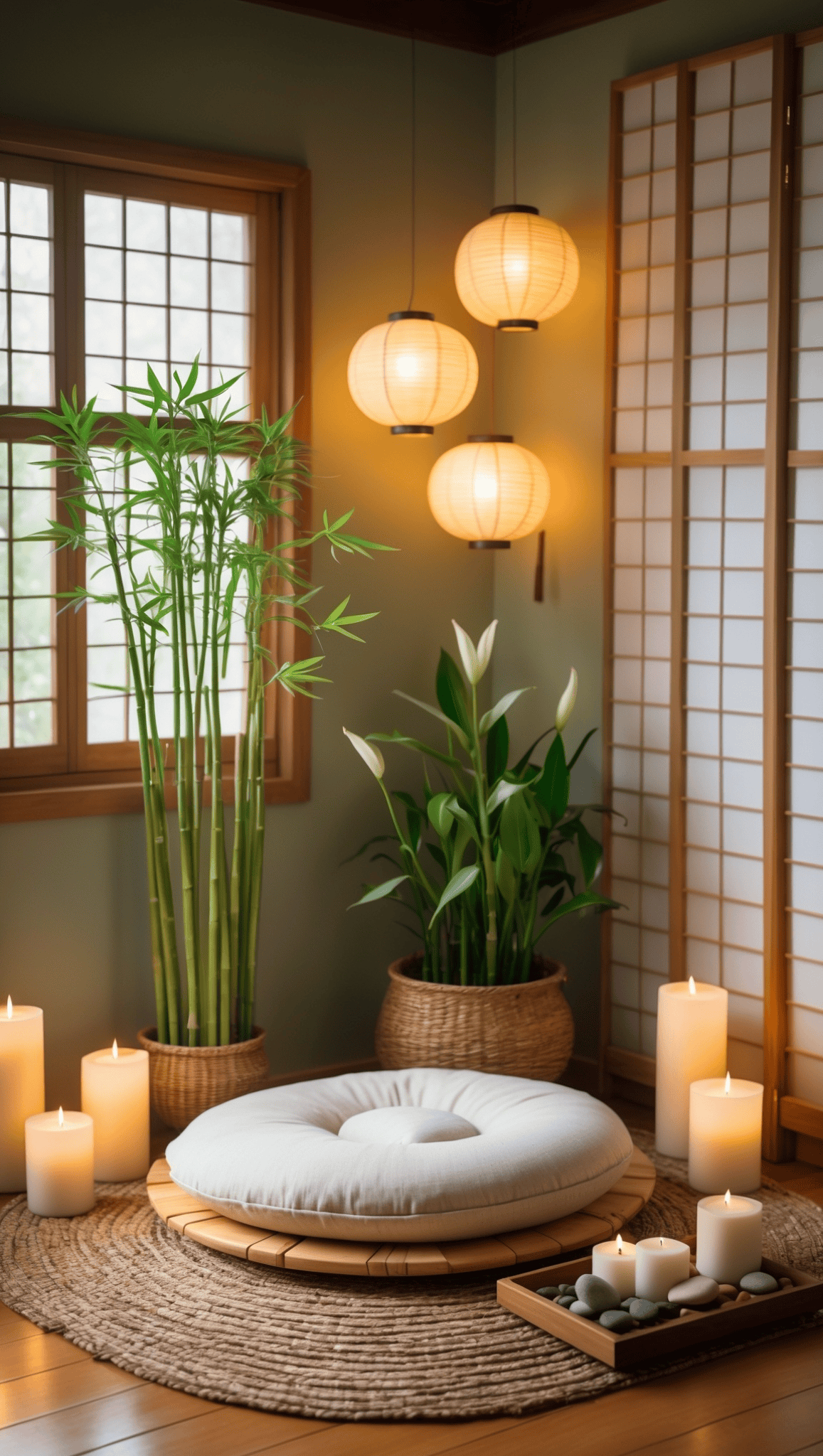
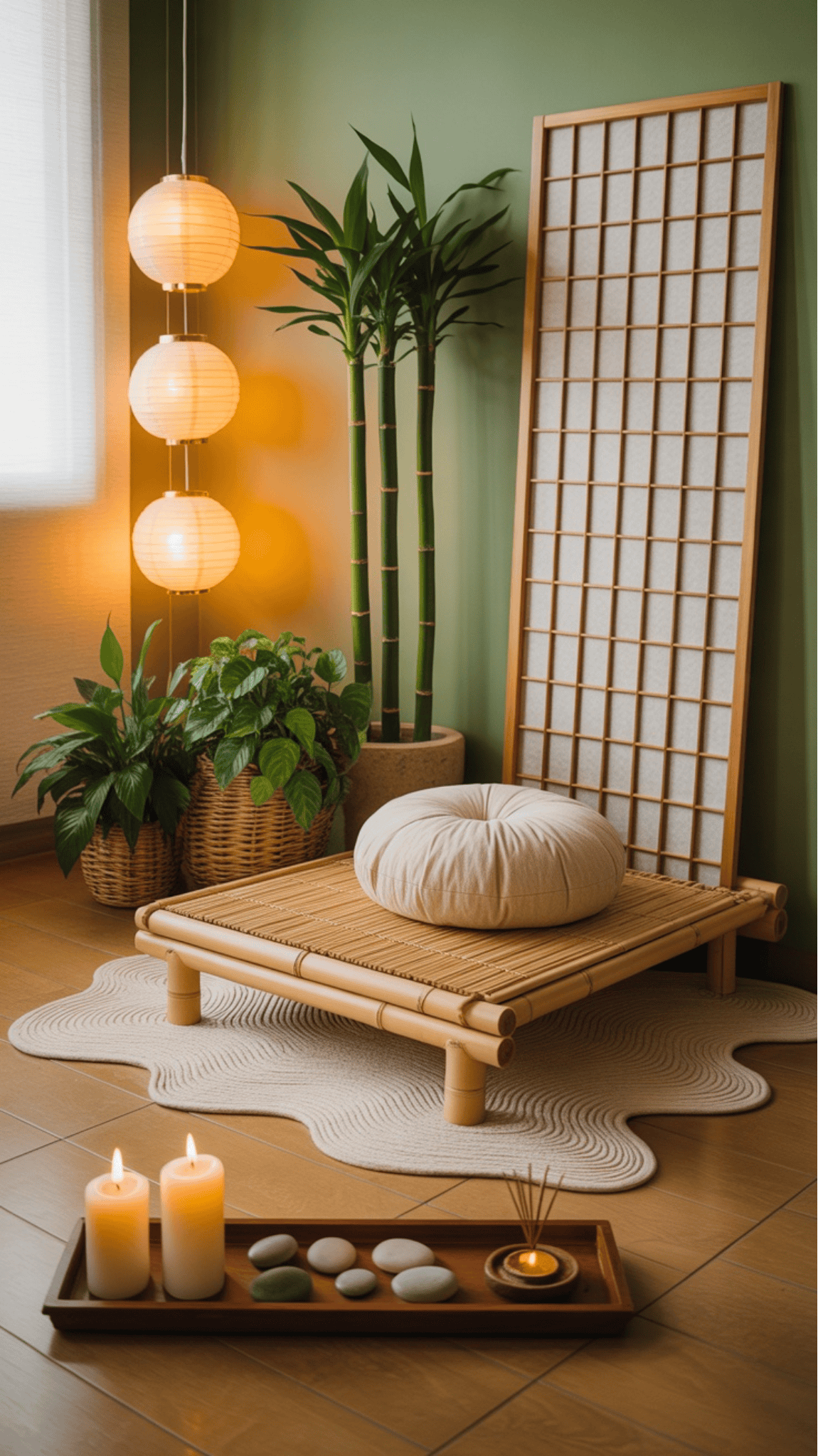
This is the look that stops the scroll—sage green walls, glowing paper lanterns clustered at different heights, natural bamboo, and layers of organic cream textures. It feels like stepping into a peaceful Japanese inn, completely removed from the chaos of everyday life.
What makes this design so effective is the combination of grounding natural elements with soft, warm lighting. The sage green creates a calming backdrop that echoes nature, while the paper lanterns cast a gentle glow that instantly signals relaxation to your nervous system. Live bamboo and potted greenery bring the outside in, and the low floor seating connects you to the earth. Every element works together to create a space that feels like a exhale.
How to Recreate This Look:
- Paint one wall sage green or apply removable wallpaper if you’re renting—this single change transforms the entire feeling of the space
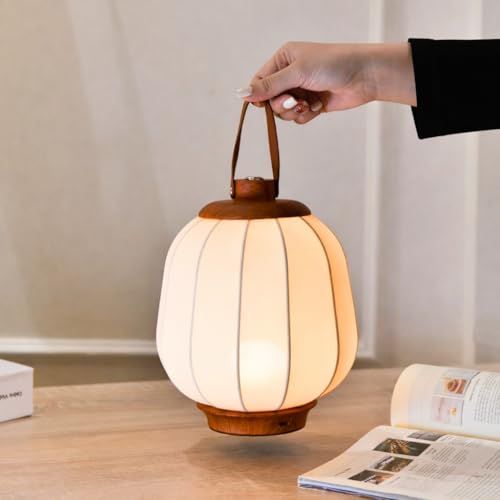
- Hang 2-3 paper lanterns at varying heights using simple ceiling hooks; battery-operated versions work perfectly
- Place a natural fiber meditation cushion (zafu) on a textured cream rug with an organic wave or subtle pattern
- Add live or high-quality faux bamboo stalks in a simple ceramic pot or basket-wrapped planter in the corner
- Lean a shoji screen panel against the wall or position freestanding to create that signature Japanese aesthetic
- Include 1-2 potted plants like peace lily, fern, or pothos in natural containers
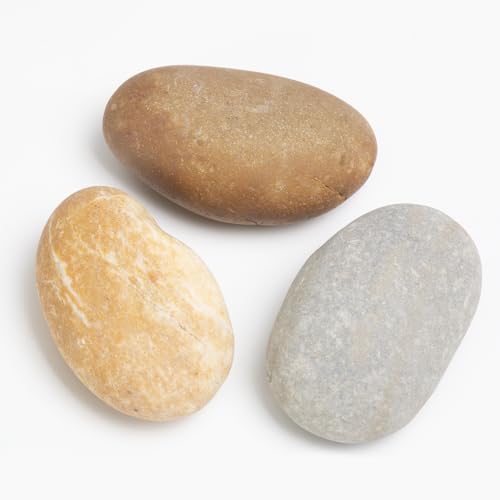
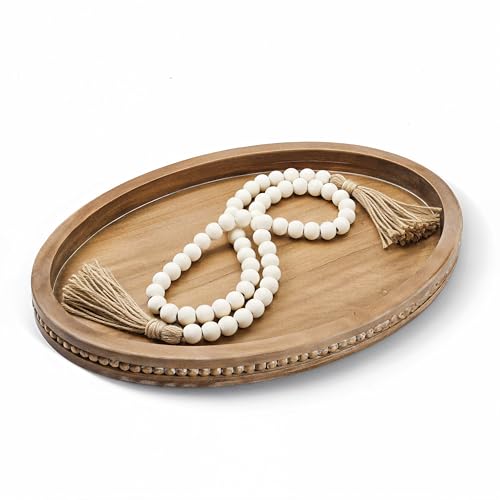
- Finish with a wooden tray holding candles and smooth river stones for grounding detail
This space should feel like a relief to enter—a visual deep breath waiting for you whenever you need it.



2. Warm Candlelit Evening Nook
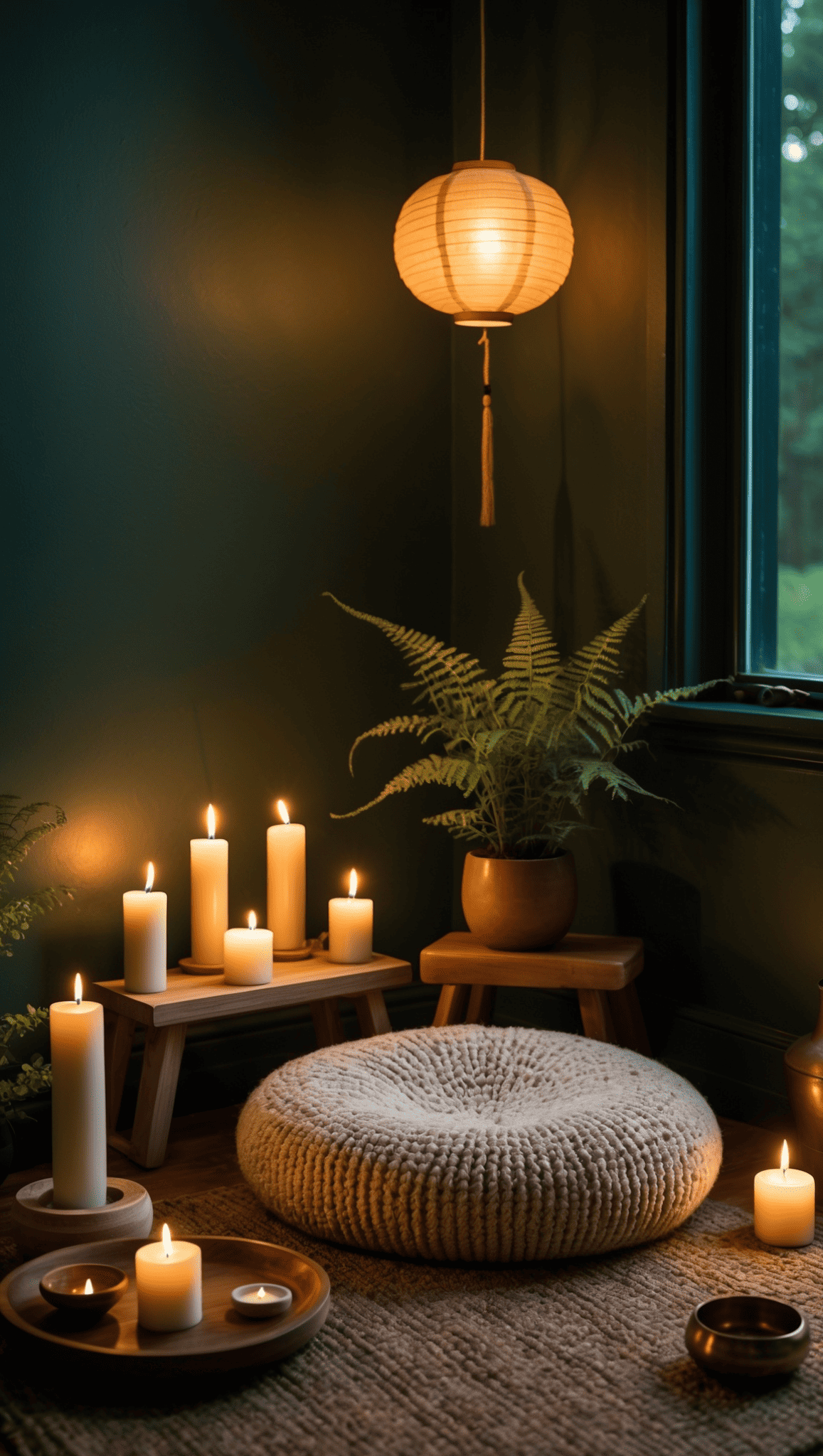
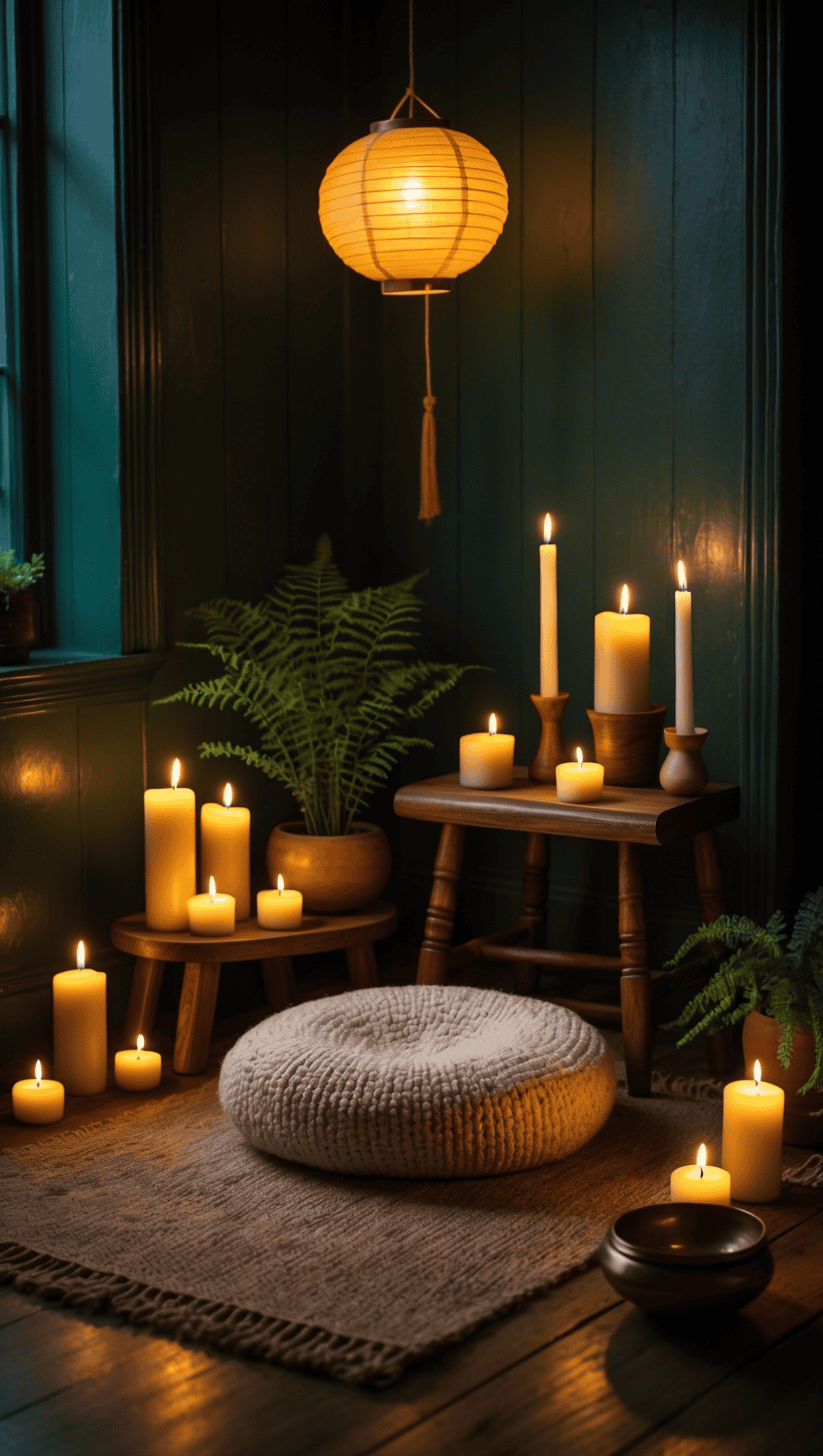
There’s something about candlelight that no electric light can replicate. The soft flicker, the warm amber tones, the gentle shadows—it all signals to your brain that it’s time to slow down. If you’ve been struggling to transition from screen-heavy days into restful evenings, this meditation nook is designed specifically for that shift.
Candlelight works because it operates on a different wavelength than artificial lighting, mimicking the natural evening light humans evolved with for thousands of years. When you create a space where candles are the primary light source, you’re building a powerful environmental cue. Over time, simply lighting those candles becomes a signal to your entire system that the day is done and stillness is available.
How to Recreate This Look:
- Choose a corner away from overhead lighting where you can create true candlelit darkness
- Arrange candles on wooden trays and small wooden stools at varying heights around your meditation cushion
- Add a single paper lantern on a dimmer as soft backup light that doesn’t compete with the candle glow
- Paint the wall behind in sage green or deep forest green to absorb and warmly reflect the flickering light
- Place a natural fiber floor cushion or folded meditation blanket as your seating
- Include a small wooden stool or side table for incense, a timer, and perhaps a meditation bell
- Keep one potted plant nearby to bring life without visual clutter
Let the simple ritual of lighting candles become the threshold between your busy day and your practice.


3. Sunlit Morning Meditation Space
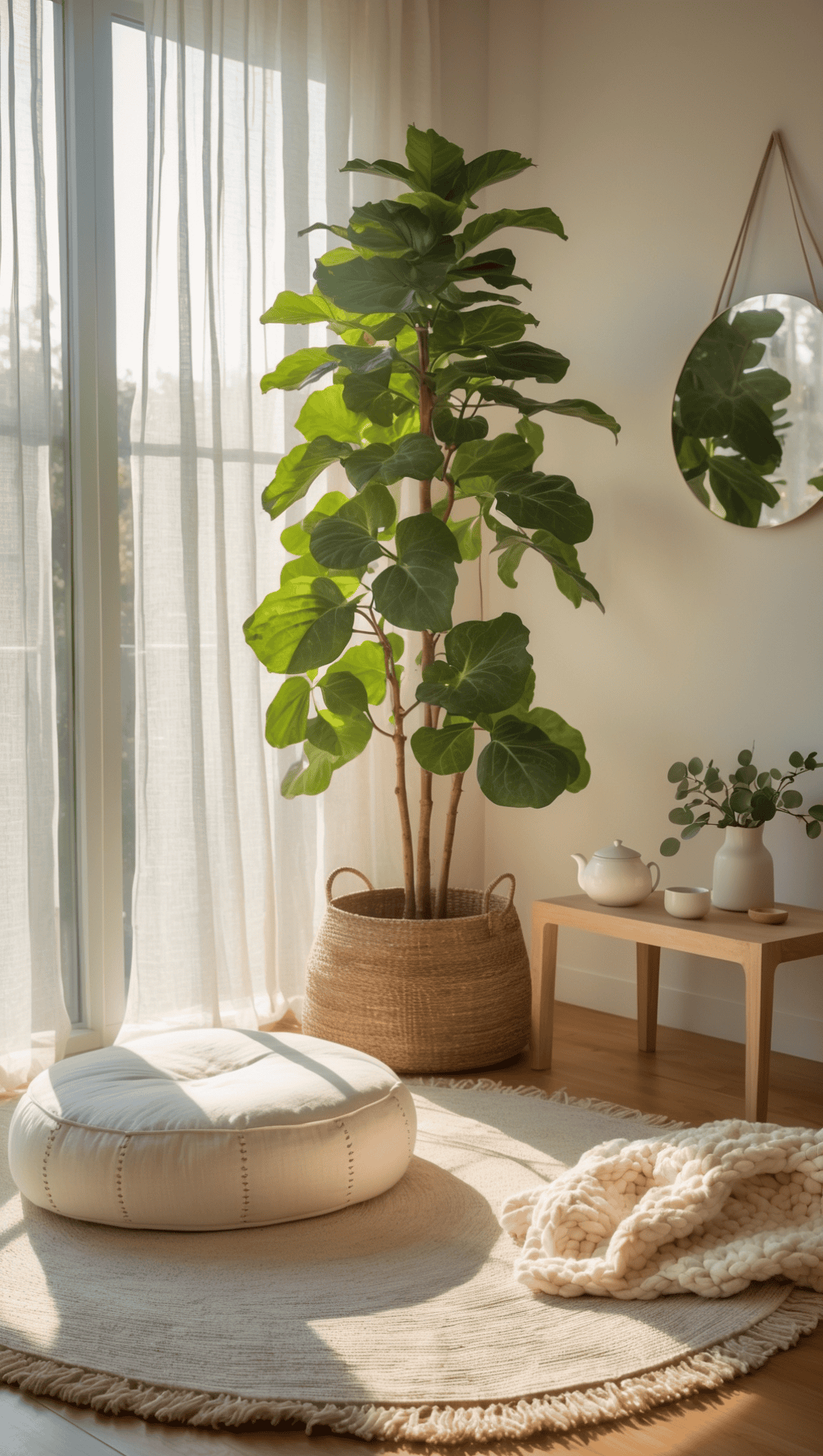
Morning light has a quality that’s almost impossible to replicate—bright without being harsh, energizing without being overstimulating. If you’ve been trying to establish a morning meditation habit, the problem might not be discipline. It might be that your environment isn’t supporting the fresh, awakening energy that morning practice requires.
This space works by harnessing natural daylight as the primary design element. Exposure to morning light helps regulate your circadian rhythm, boost serotonin, and increase the kind of calm alertness that supports focused meditation. When everything in the space is light, airy, and minimal, your mind tends to mirror that quality—clear and open rather than cluttered and heavy.
How to Recreate This Look:
- Position your space near an east-facing window if possible, or choose your brightest window
- Hang sheer linen curtains or place a shoji screen to diffuse direct sunlight into a soft, even glow
- Keep walls white or pale sage to maximize the airy, light-filled feeling
- Choose a simple zafu cushion in cream or natural cotton that feels fresh and clean
- Add one green plant positioned where it catches the morning light—watching sun move across leaves can become part of your practice
- Keep surfaces completely clear for a clean-slate feeling that matches morning energy
- Optional: include a small wooden tray with a tea cup for a post-meditation ritual that honors the transition into your day
This space is designed to feel like the best version of waking up—quiet, clear, and full of possibility.


4. Small Closet Meditation Room
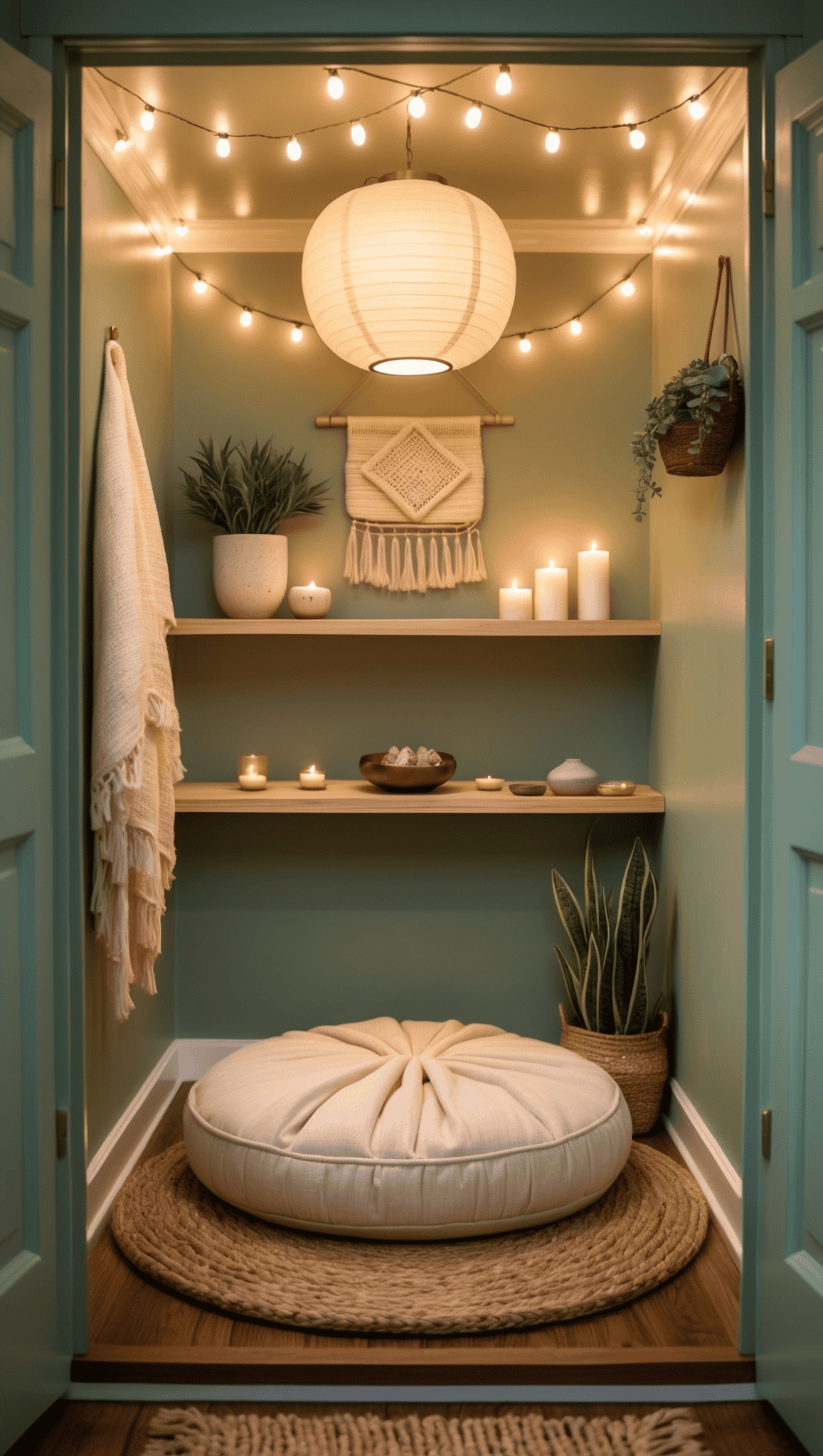
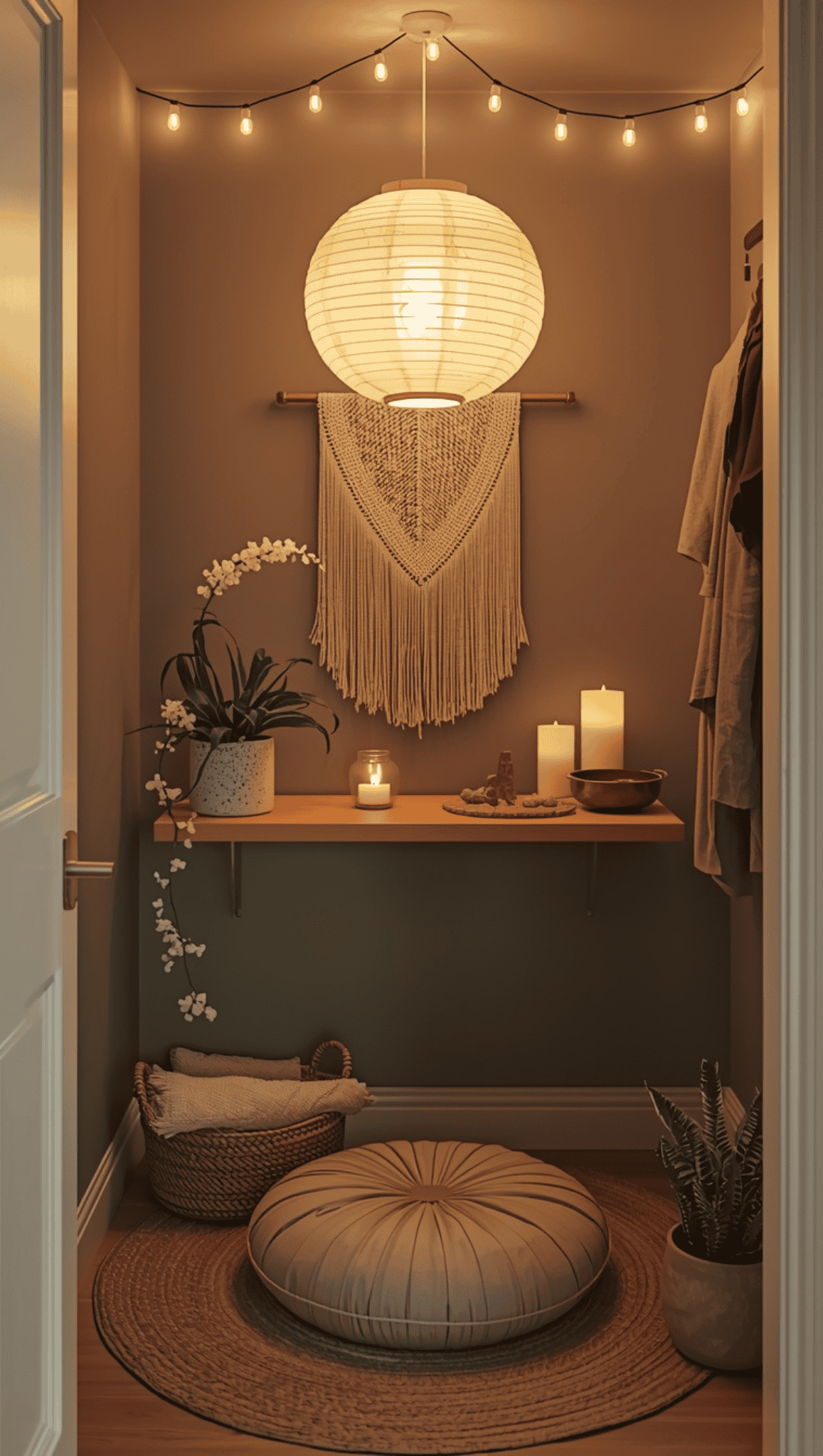
Here’s what most meditation space advice ignores: not everyone has a spare room or even a spare corner. If you’ve been feeling like dedicated practice isn’t possible in your small apartment or busy household, a closet conversion might be exactly what you need. It sounds unconventional, but small enclosed spaces can actually be ideal for meditation—cozy rather than cramped, private rather than exposed.
The magic of a closet meditation room is that it’s entirely yours. You close the door and you’re in a different world, one that exists solely for your practice. The defined boundaries help contain your attention, the lack of visual stimulation makes turning inward easier, and the privacy means no interruptions. In a small space, every element you add has outsized impact—a single lantern, one plant, and your cushion can completely transform three square feet into something sacred.
How to Recreate This Look:
- Clear everything out—clothes, storage, shelving you don’t need—and start with a completely blank canvas
- Paint the interior walls sage green or warm cream; this small investment transforms the space entirely
- Hang a single paper lantern from the ceiling center to create beautiful ambient light
- Install one small shelf at eye level for candles, a small plant, and any meaningful objects
- Place a floor cushion or folded meditation blanket on the floor as your seating
- Use battery-operated candles if ventilation is limited; they’re safer and still create warm ambiance
- Remove the closet door entirely for an open nook feel, or replace with a soft curtain for privacy
This tiny room can become the most peaceful space in your entire home—a secret retreat always waiting for you.



5. Living Room Meditation Corner
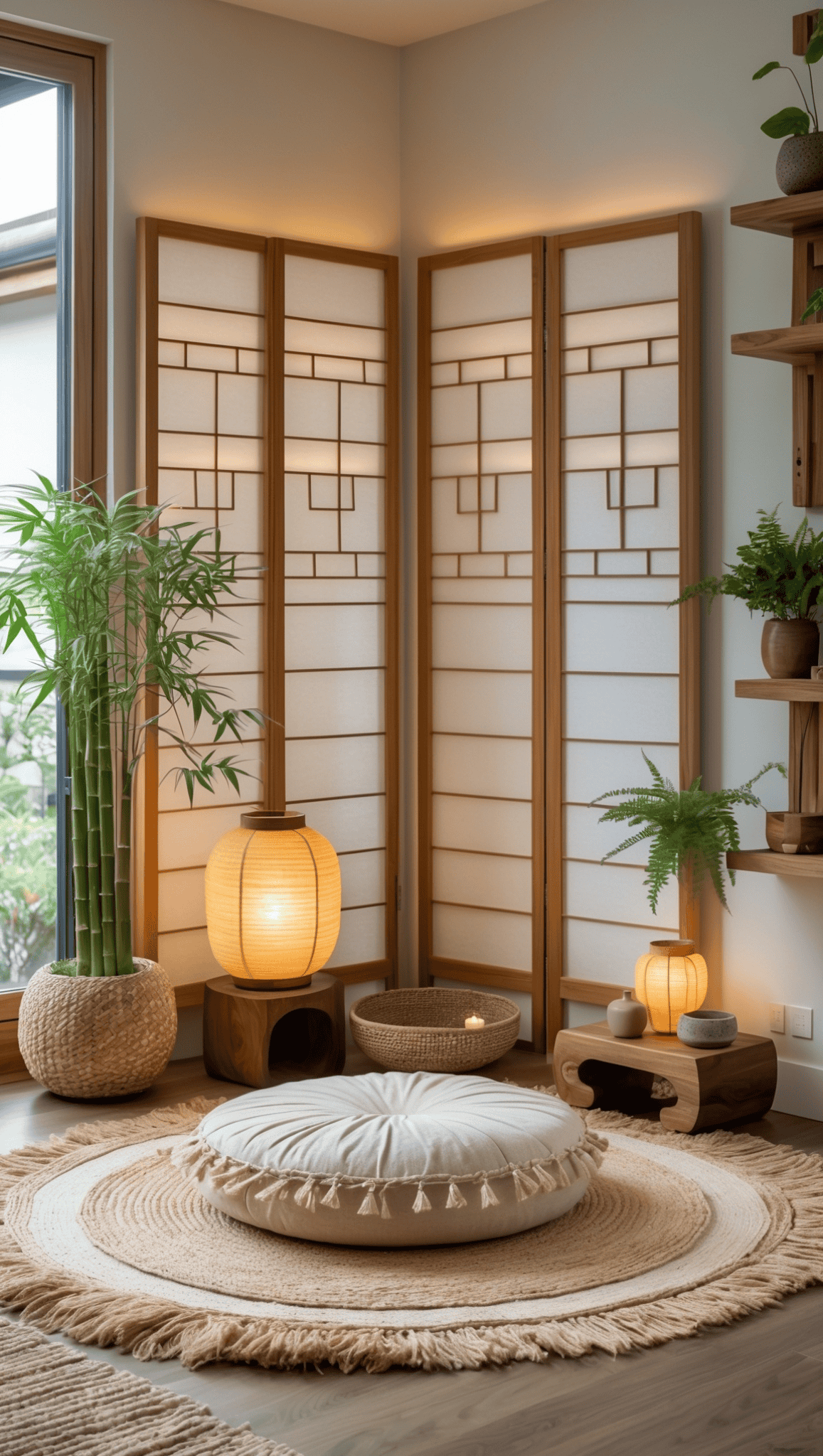
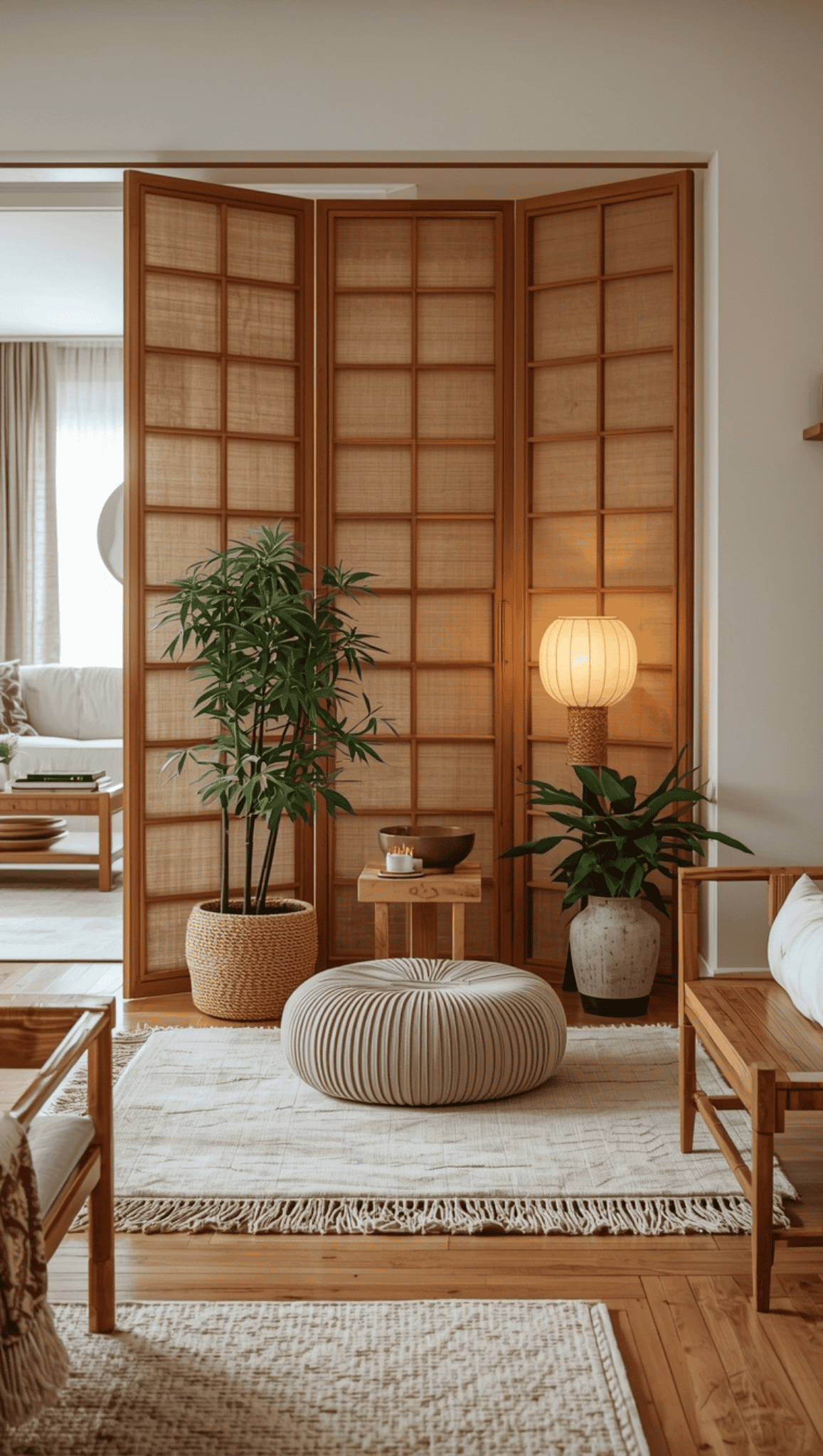
What if you could carve out sacred space in the busiest room of your home? If you don’t have a spare closet or bedroom to dedicate, your living room might actually be the perfect place. The key is creating clear visual boundaries that signal “this space is different” while still harmonizing with your existing décor.
When your meditation space is visible, you’re more likely to use it. Out of sight often means out of mind, but a beautiful corner in your living room serves as a constant gentle invitation. There’s also something powerful about not hiding your practice away—it normalizes meditation as part of daily life rather than something that requires perfect conditions. A freestanding shoji screen creates the visual threshold your brain needs to shift gears when you step behind it.
How to Recreate This Look:
- Choose a low-traffic corner away from main pathways and the TV, ideally near a window for natural light
- Use a freestanding shoji screen to create visual separation from the rest of the room without construction
- Lay down a natural fiber rug in cream or warm beige to clearly define the meditation floor space
- Position your zafu cushion on the rug facing away from main room activity
- Add a potted bamboo and 1-2 smaller plants to create the Zen garden atmosphere
- Hang a paper lantern or place a paper lantern floor lamp to change the lighting quality in your corner
- Include a small wooden tray with a singing bowl, candle, or meditation timer
Your living room corner proves you don’t need perfect conditions—just clear intention and a few well-chosen elements.



6. Outdoor Zen Garden Space
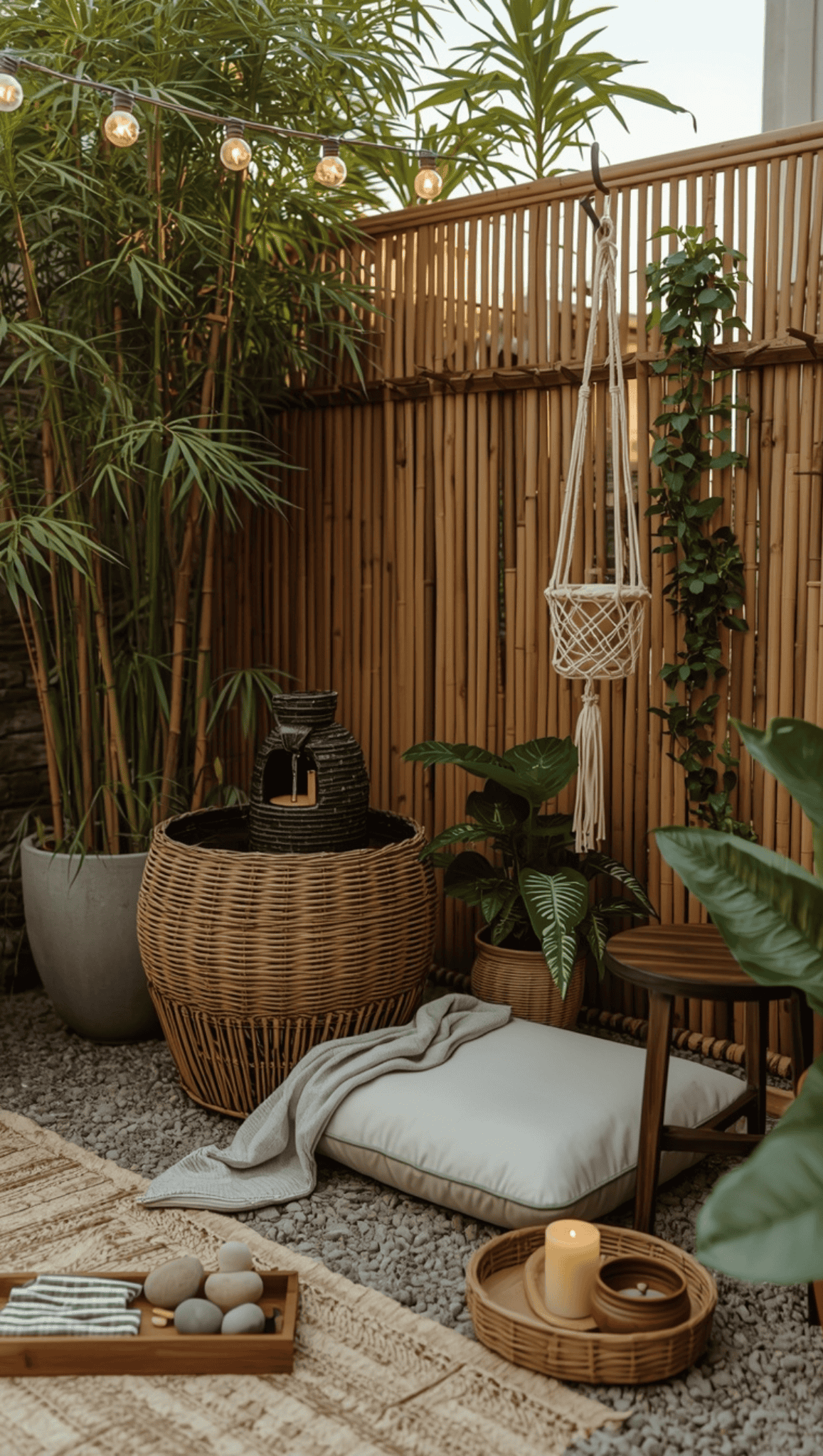
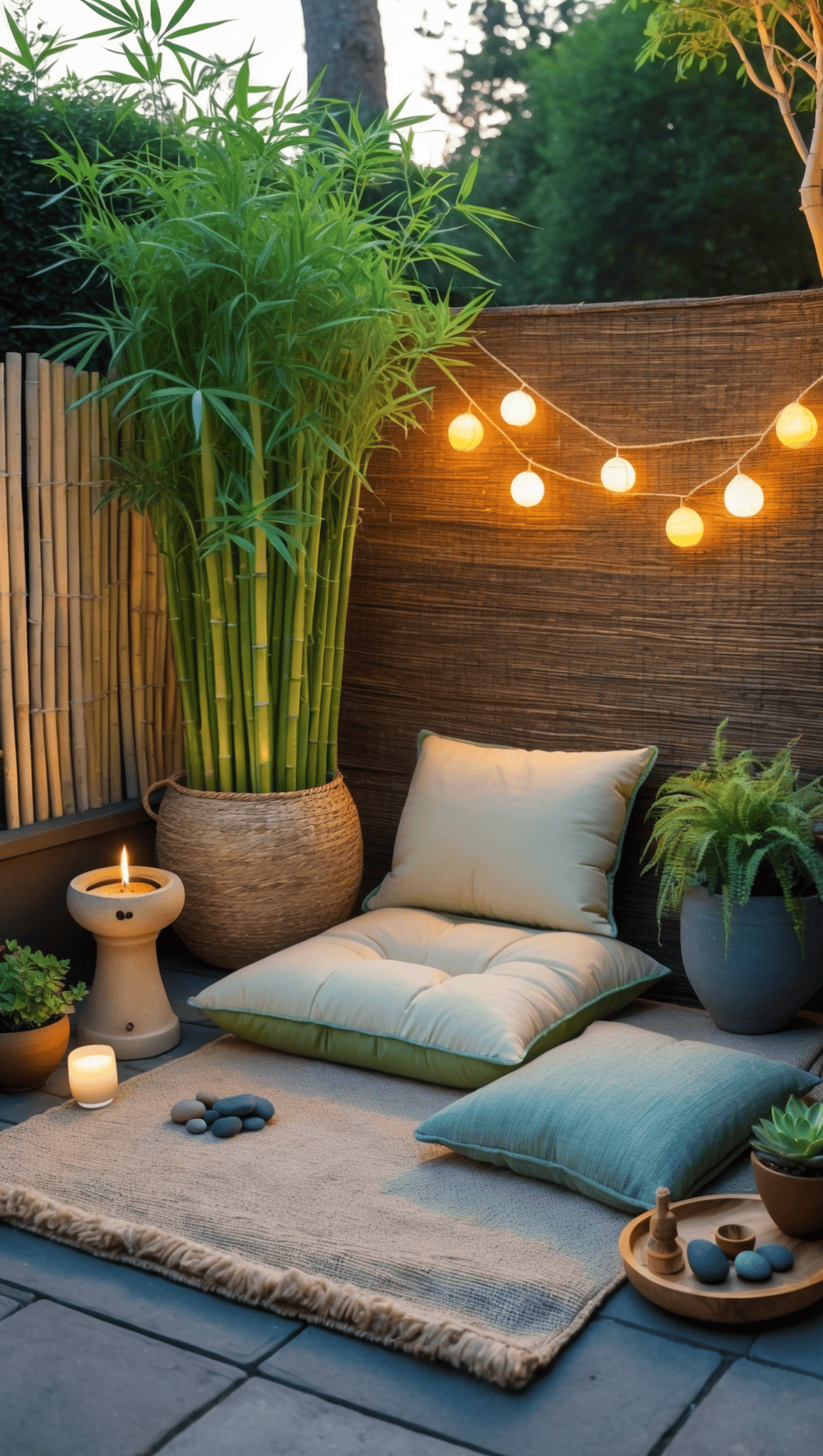
There’s a reason traditional Zen gardens have existed for centuries—meditating outside connects you to something larger than your own thoughts. If you have access to any outdoor space, even a small balcony or patio corner, you can create an open-air sanctuary that brings all the elements of Japanese Zen design into nature itself.
Research consistently shows that time outdoors reduces stress hormones and improves mood. When you combine meditation with nature exposure, you create something more powerful than either alone. The sounds of birds, the feeling of fresh air, the changing light throughout the day—these become part of your practice rather than distractions from it. You’ll also experience natural variation that keeps practice fresh: morning meditation feels different than evening, spring different than autumn.
How to Recreate This Look:
- Select a quiet corner of your patio, deck, or garden with some natural privacy from neighbors
- Create boundaries using bamboo fencing, tall potted bamboo, or trellises with climbing plants
- Choose a weatherproof meditation cushion or low wooden bench for seating that can handle the elements
- Add a small tabletop bamboo fountain for the soothing sound of flowing water
- Surround the space with potted ferns, ornamental grasses, and greenery in natural containers
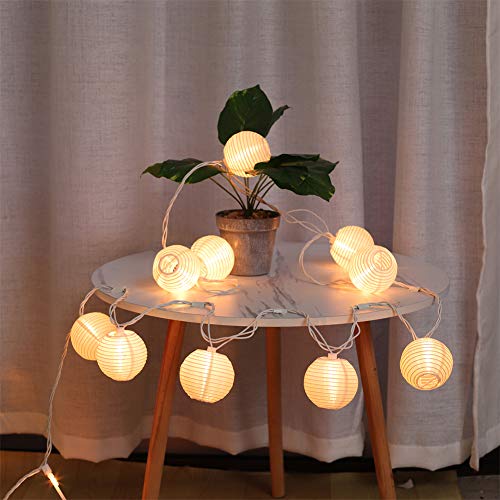
- String paper lantern lights for ambient evening meditation sessions
- Include smooth river stones or pea gravel as ground cover around your seating area
Your outdoor space becomes a bridge between the inner stillness you’re cultivating and the vast, living world that surrounds you.


7. Layered Textile Meditation Corner
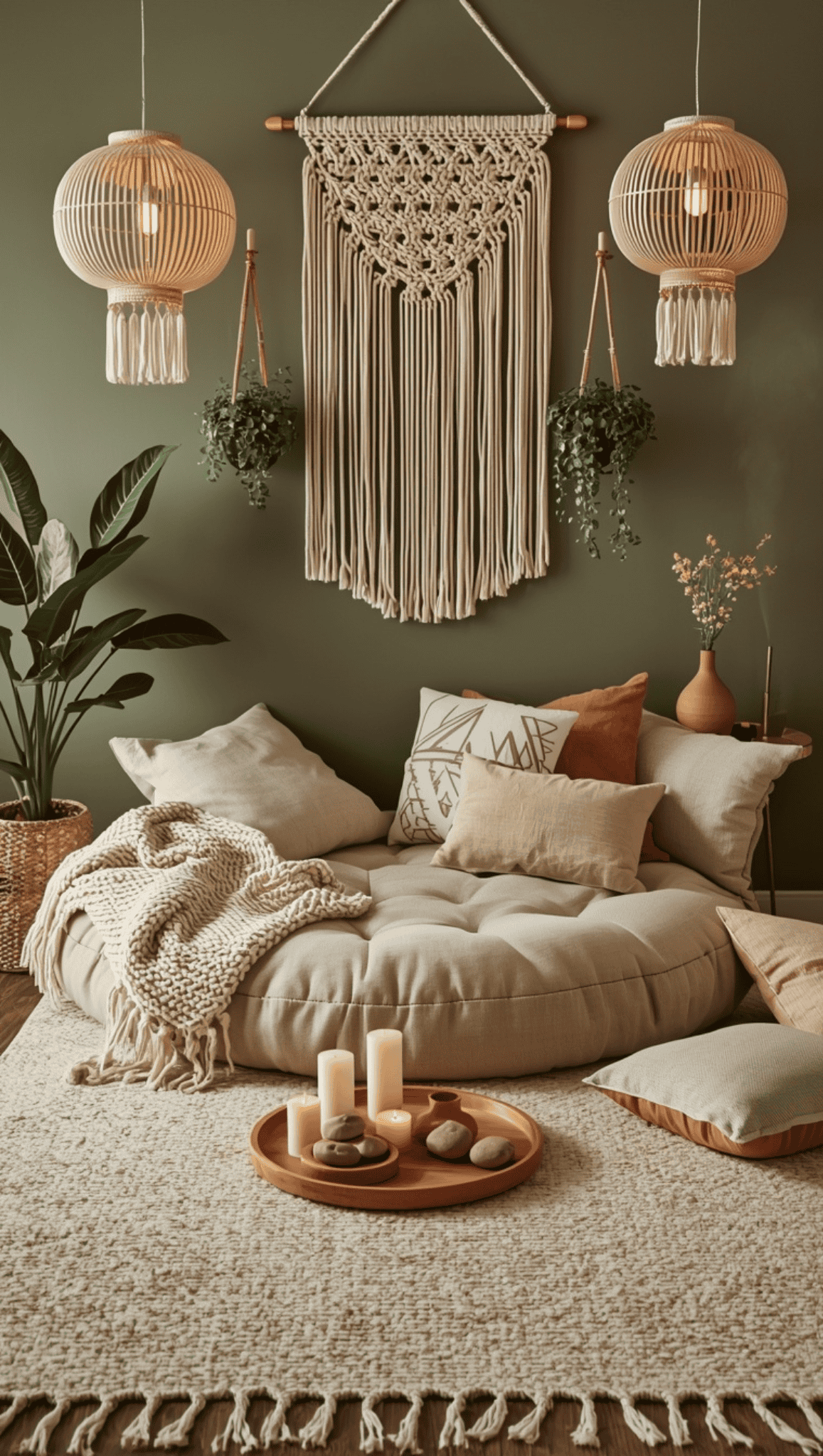
Not every Zen space needs to be minimal to the point of austerity. If you’re someone who responds to touch and coziness, this textile-focused approach brings tactile richness to the Japanese-inspired aesthetic—a meditation corner that feels like a warm embrace inviting you to sink in and stay.
Meditation isn’t just a mental exercise—it happens in your body. When you surround yourself with textures that feel good to touch, you’re more likely to settle physically, which supports settling mentally. The weight of a linen throw, the give of layered rugs, the softness of natural cushions all communicate safety to your nervous system. This approach also makes your space more inviting on difficult days when you’re stressed or resistant—a cozy corner feels easier to approach than a sparse one.
How to Recreate This Look:
- Start with a woven jute or seagrass base rug to ground the space and define the area
- Layer a smaller textured cream rug on top with organic patterns or subtle fringe for visual interest
- Choose a substantial linen meditation cushion with subtle embroidered details that feels luxurious
- Add soft floor pillows in varying sizes and natural tones for flexible, comfortable seating
- Hang a woven wall tapestry or macramé piece in earthy cream and brown tones behind the space
- Include a folded throw blanket with fringe detail draped nearby for cooler meditation sessions
- Finish with a wooden tray holding candles, smooth stones, and dried botanicals for grounding contrast
This space should feel like it’s welcoming you home—rich, warm, and impossibly comfortable.



8. Bedroom Meditation Alcove
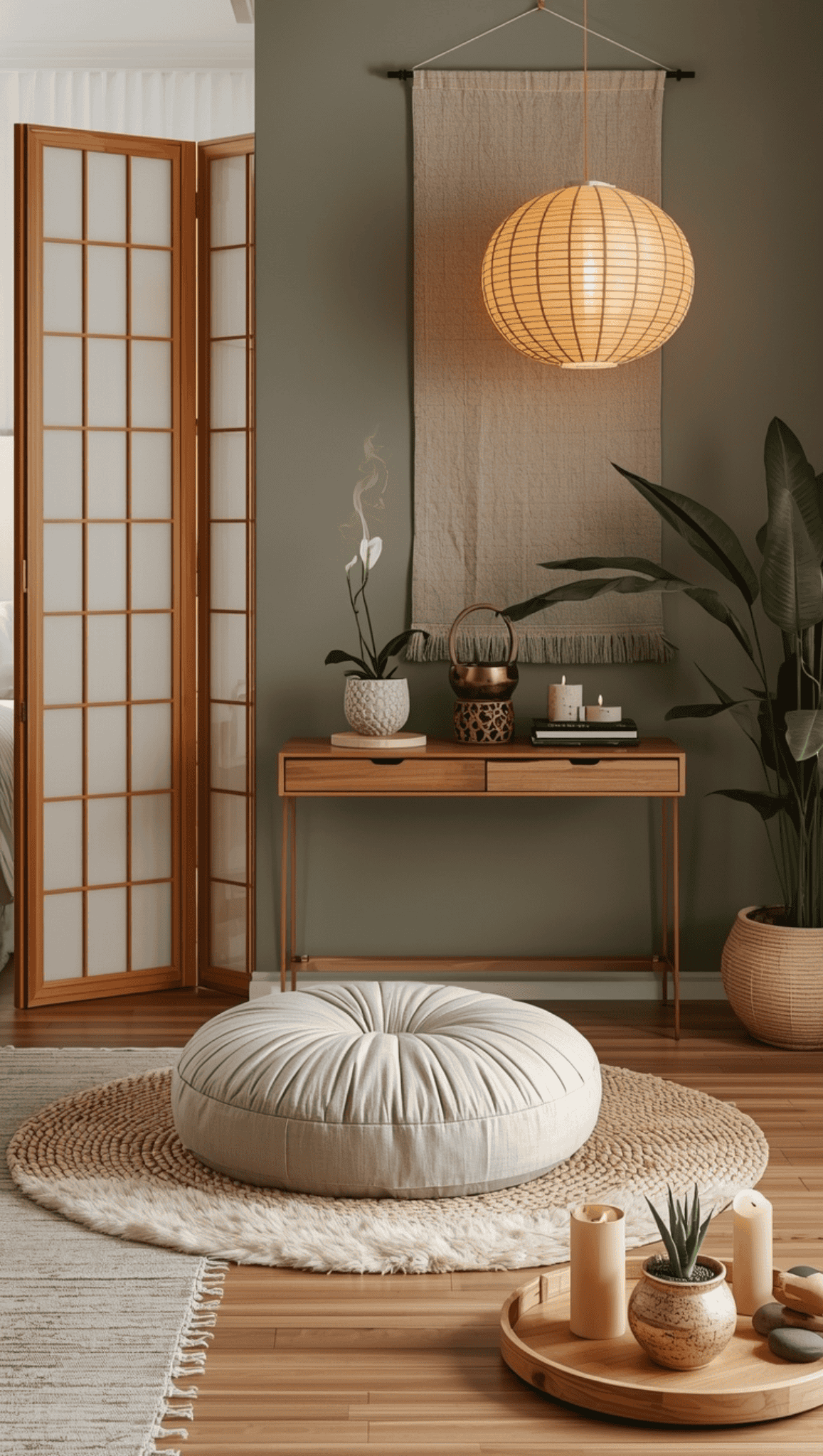
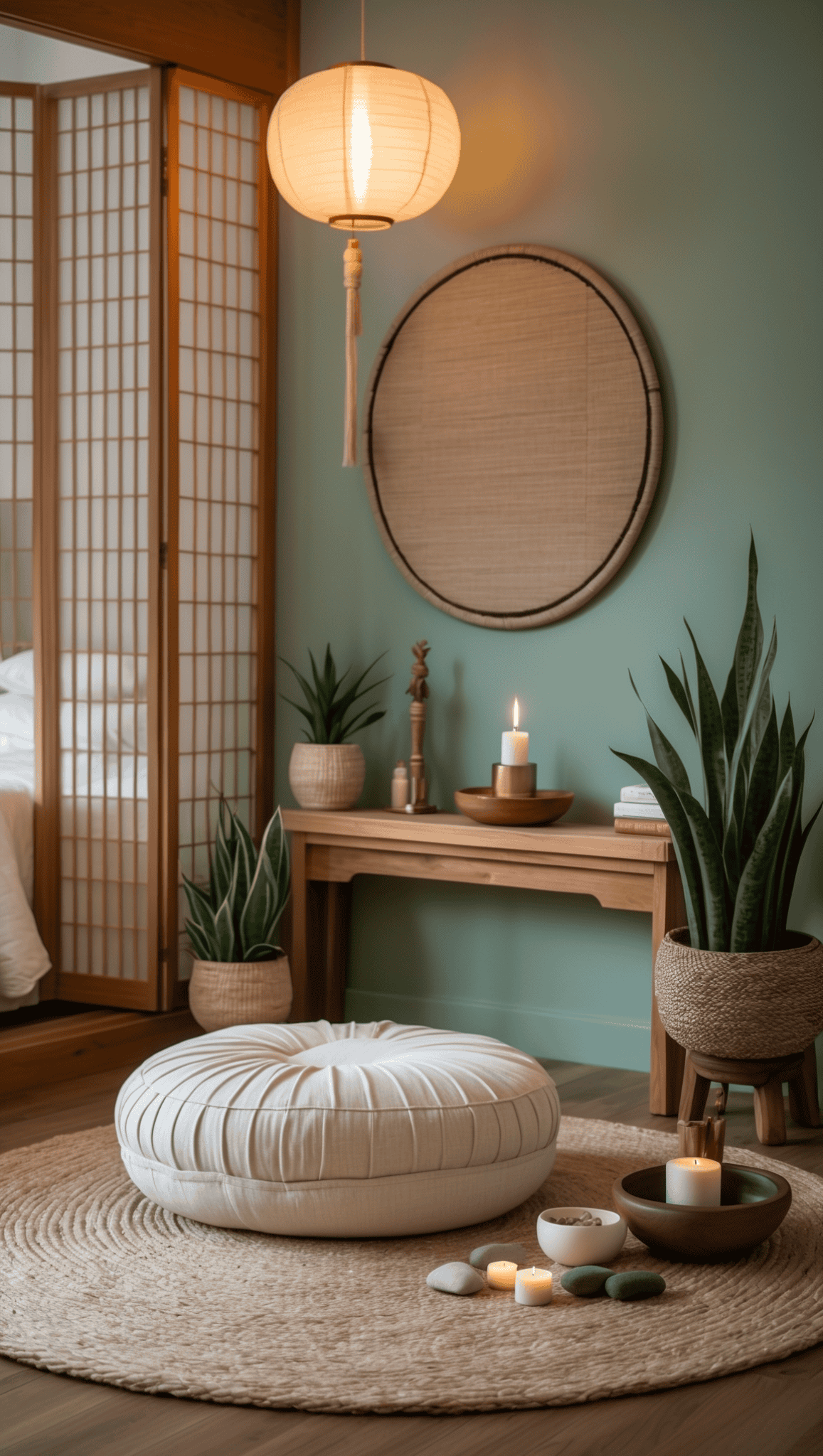
You might think meditating in your bedroom would blur the boundaries between practice and sleep, but when done intentionally, a bedroom alcove can enhance both. The key is creating visual separation so your brain understands this corner operates differently than your bed, even though they share a room.
Having your meditation space in your bedroom makes morning and evening practice nearly frictionless. You can move from bed to cushion before the day’s demands take over, and close your day with practice before sleep without relocating. The design elements in your alcove should support alertness rather than drowsiness—a paper lantern at seated eye level, an upright cushion, and fresh greenery all help maintain the distinction between rest and practice.
How to Recreate This Look:
- Choose a corner as far from the bed as your room allows; even a few feet of separation helps
- Create a visual divider using a shoji screen, curtain, or tall plant to distinguish the alcove
- Use a distinct rug to mark the meditation floor space as separate from the rest of the bedroom
- Position your cushion facing away from the bed so your sleeping space isn’t in your sightline during practice
- Add a sage green accent wall or panel behind the meditation spot to visually distinguish the alcove
- Hang a paper lantern at seated eye level to create lighting that supports alertness
- Include a living plant to bring wakeful energy into the space and counterbalance the restful bed nearby
Your bedroom alcove proves that one room can serve multiple purposes when you design with intention.

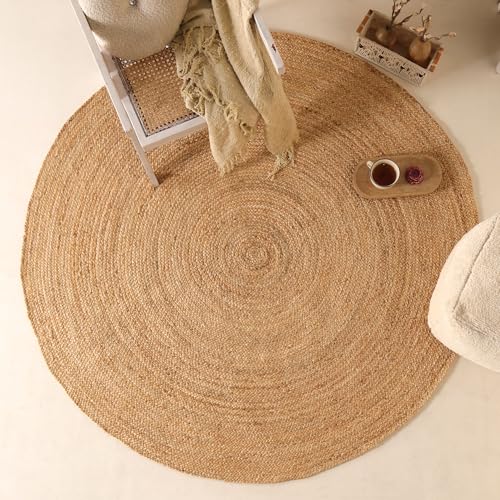


9. Tatami-Style Floor Meditation Room
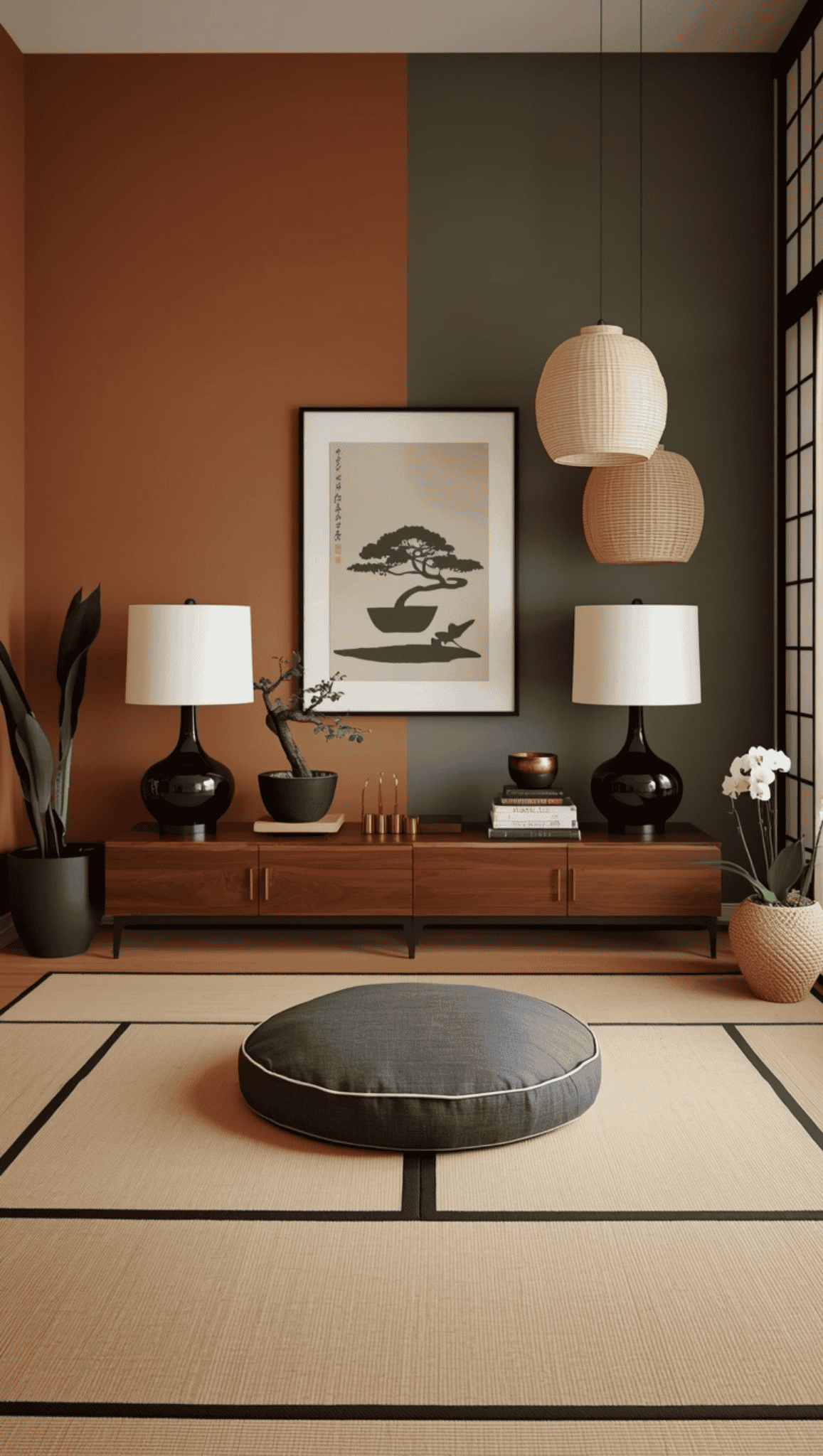
This design is for those ready to go all in—a dedicated room that fully embraces traditional Japanese Zen aesthetic. Tatami mats, shoji screens, zafu and zabuton cushions, paper lanterns at varying heights—every element authentic and intentional. If you have a spare room and desire to create something truly special, this approach feels like stepping into another world.
When an entire room is devoted to meditation, something shifts. There’s no negotiation about whether the space will be used for something else, no visual reminders of other responsibilities, no compromises. The room exists for one purpose, and your mind begins to understand that as soon as you enter. Traditional materials like tatami mats aren’t just aesthetic—their natural rush scent, slight give underfoot, and distinctive appearance have been creating specific feelings in Japanese rooms for centuries.
How to Recreate This Look:
- Install tatami mats for full coverage or use interlocking tatami-style tiles as a more affordable alternative
- Paint walls sage green or warm cream throughout—simple, natural colors that don’t compete for attention
- Add shoji screens on windows for beautiful diffused light and optionally as room dividers
- Center a zafu and zabuton cushion set in the room as the focal point of the floor space
- Hang paper lanterns at varying heights to create pools of warm light throughout the room
- Place live bamboo stalks in simple floor vases at corners to add vertical interest and life
- Create a tokonoma-inspired alcove with a small shelf holding one meaningful object and perhaps seasonal flowers
This room becomes a destination—a place set apart from the rest of your life, devoted entirely to stillness.


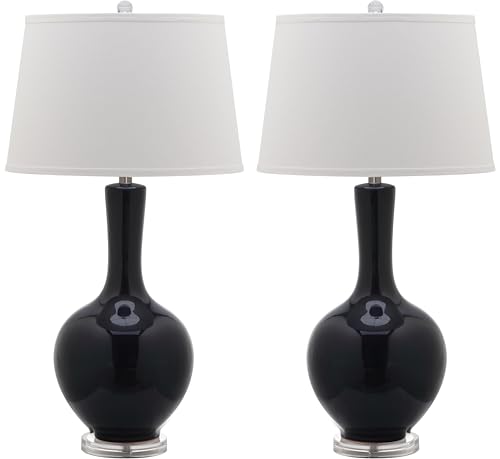

10. Cozy Reading and Meditation Nook
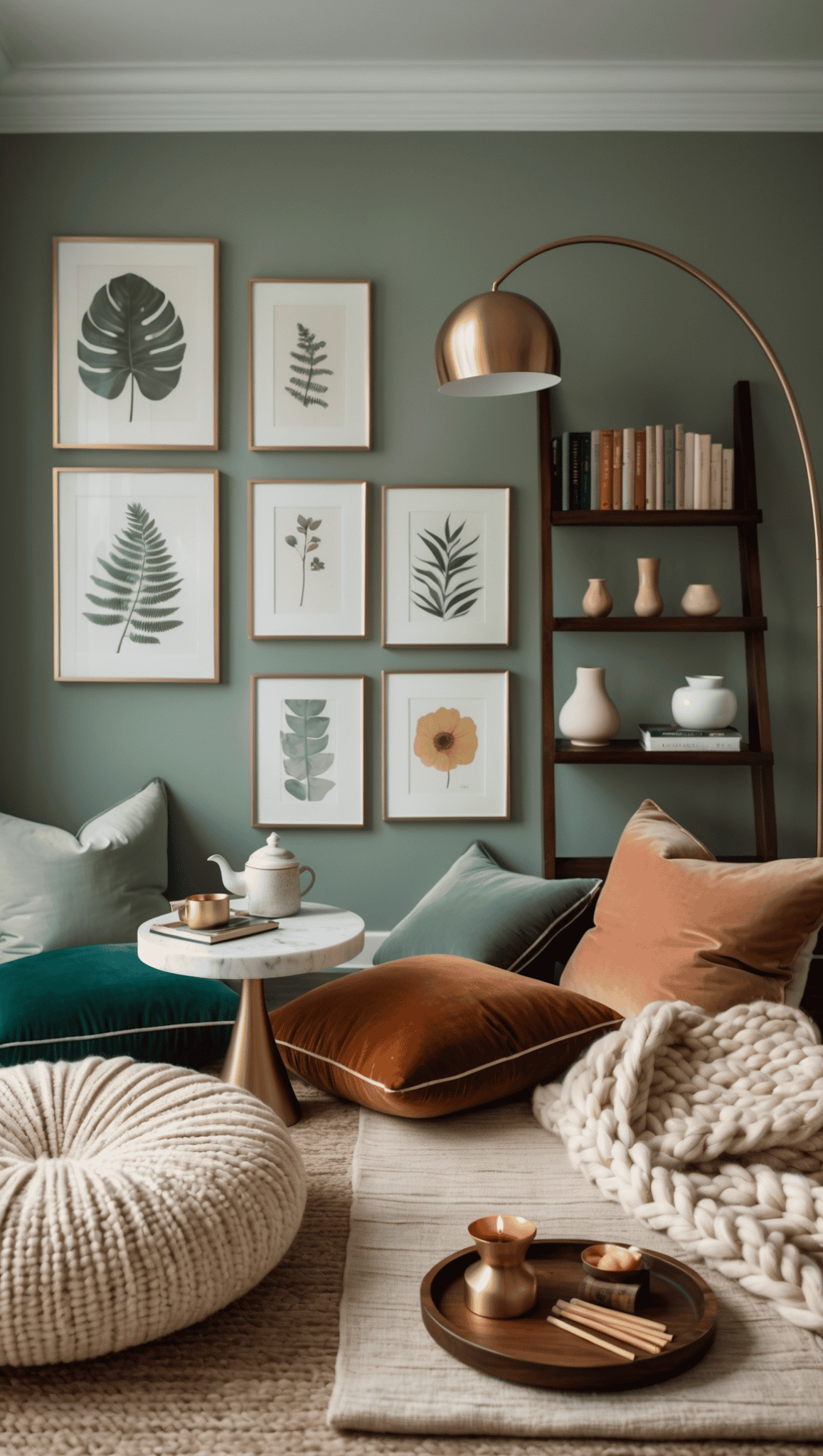
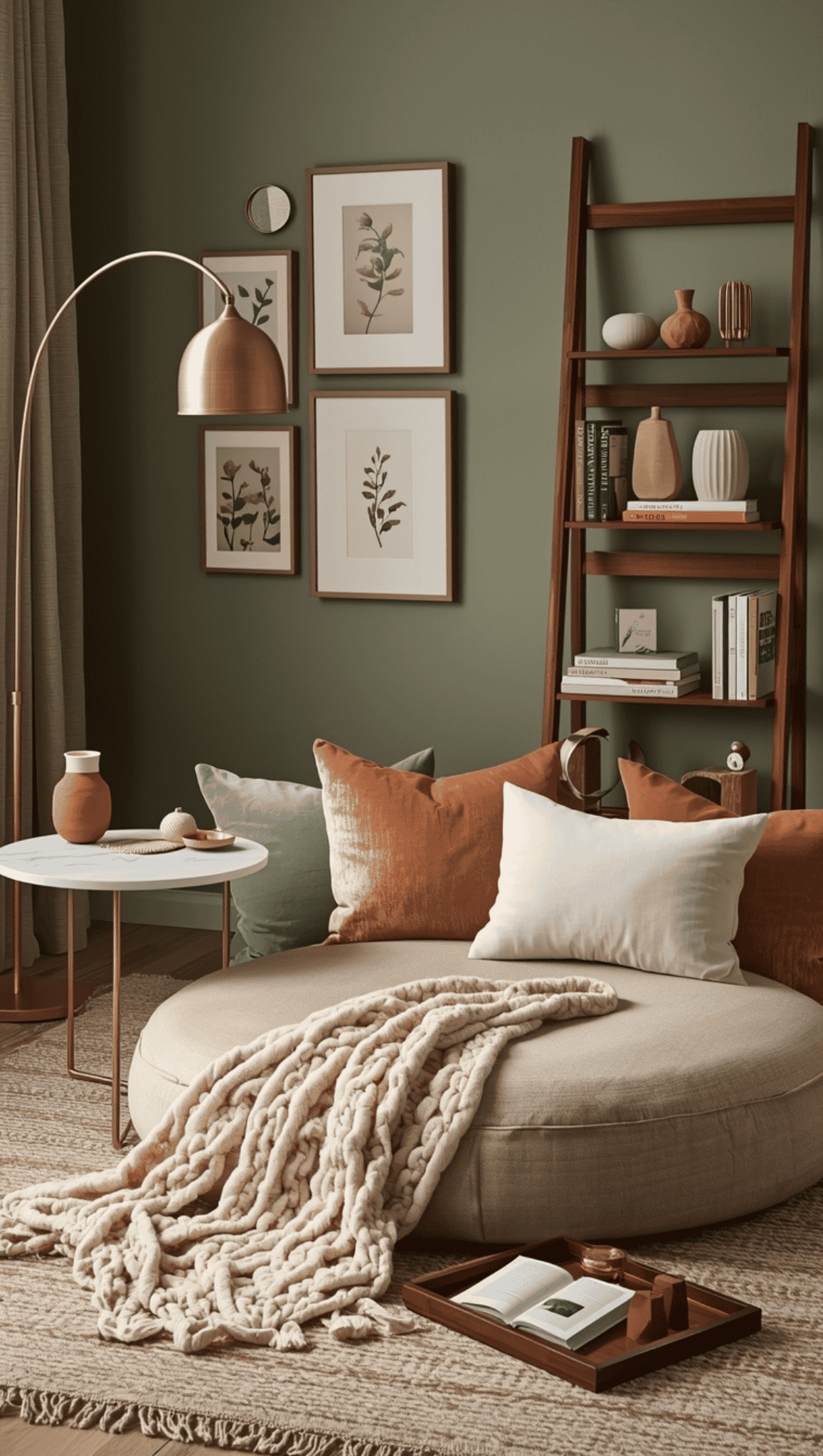
What if your meditation space could nurture your mind in other ways too? This dual-purpose nook combines seated meditation with mindful reading, perfect if you’re drawn to wisdom teachings, poetry, or journaling alongside your sitting practice. Traditional Japanese culture has always honored the relationship between meditation, tea ceremony, and contemplation—this space follows that lineage.
When your meditation space includes room for reading, writing, and tea, you create a sanctuary for all the practices that support your inner development. This combination also makes the space more inviting throughout the day. It’s not just for formal sitting; it’s for any moment when you need to step away from the noise and reconnect with yourself. The accessories should feel intentional rather than accumulated—each item earns its place by serving your contemplative life.
How to Recreate This Look:
- Include a low tea table beside your cushion for holding a cup, candle, or open book
- Add a small shelf or basket with a curated selection of meaningful books and a journal
- Layer floor pillows in varying sizes for shifting position during longer reading sessions
- Hang a paper lantern at a height that provides comfortable illumination for both practice and reading
- Keep a soft throw blanket draped nearby for warmth during extended contemplation
- Maintain sage walls, bamboo, and natural elements to preserve the Zen atmosphere
- Include a meditation timer and perhaps a small bell so you can move between reading and sitting intentionally
This nook becomes a home for your inner life—where meditation, reading, writing, and contemplation all belong.



11. Japandi Zen Meditation Corner
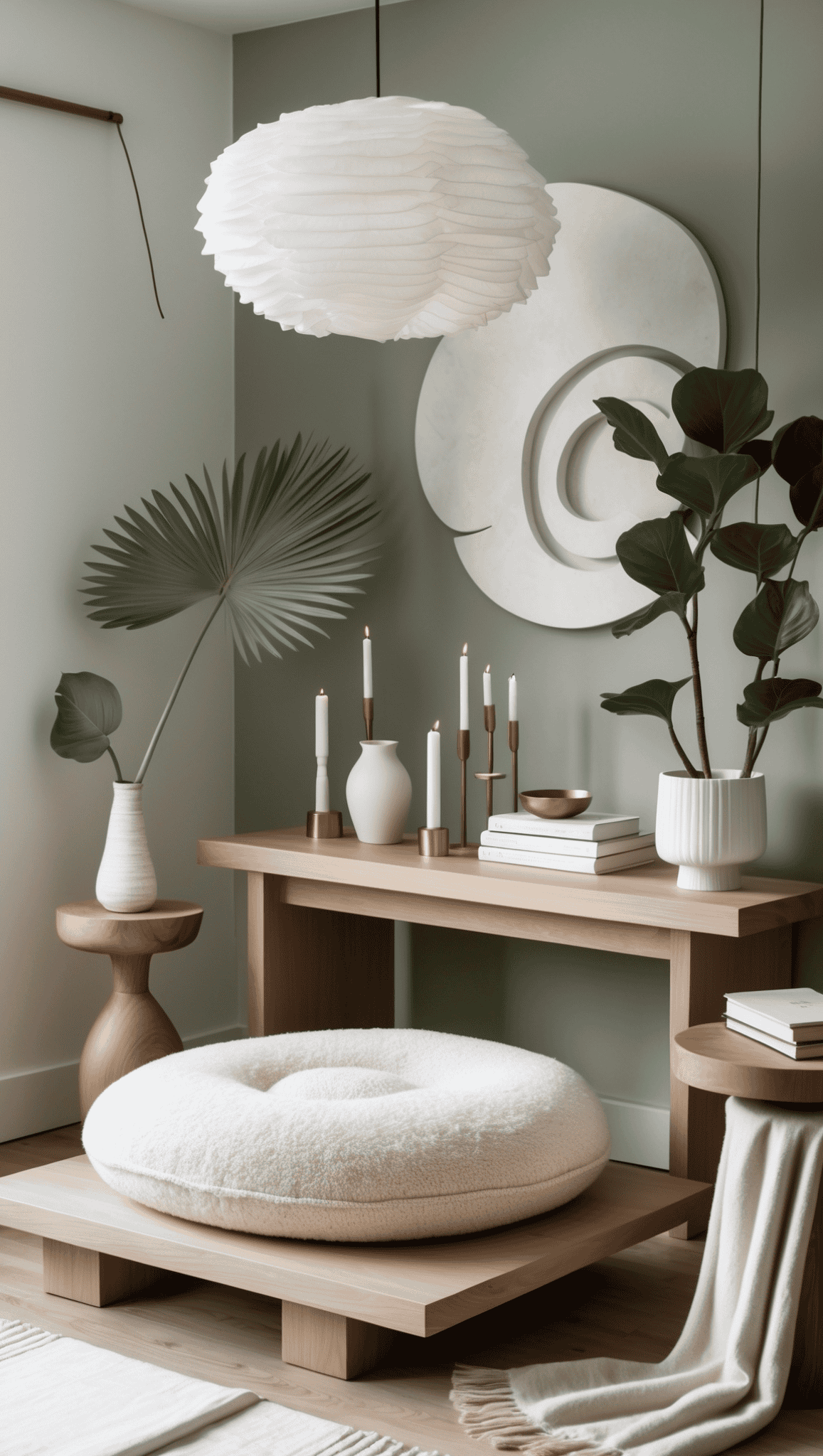
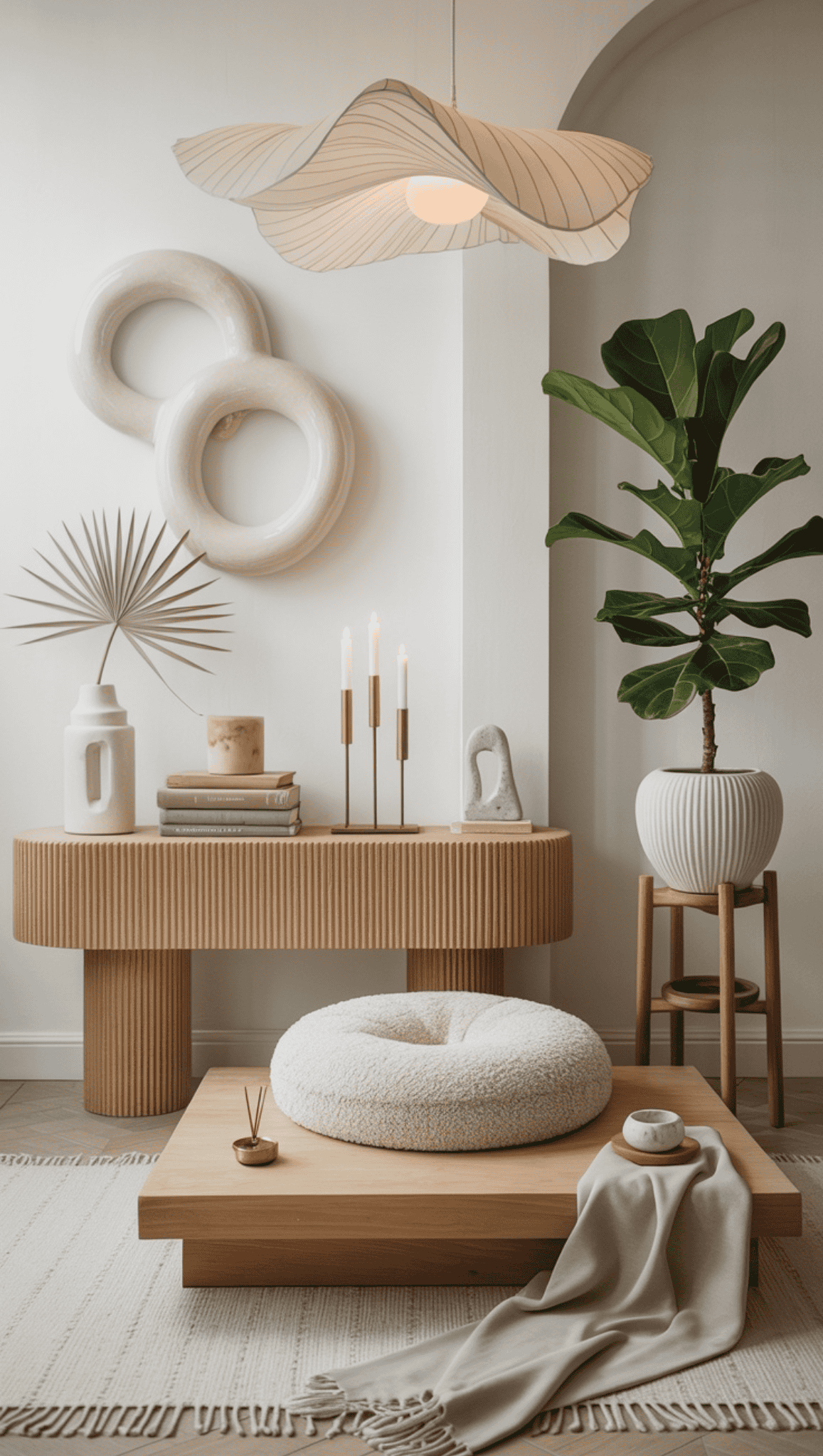
Sometimes pure Japanese aesthetic feels slightly too formal or traditional for modern homes. Japandi—the fusion of Japanese and Scandinavian design—offers a softer, lighter interpretation that feels equally calming but more contemporary. If you’re drawn to clean lines, pale woods, and Nordic warmth alongside Zen principles, this hybrid approach might be your perfect match.
Both Japanese and Scandinavian traditions share appreciation for simplicity, nature, and the beauty of functional objects. Japandi finds where they overlap—uncluttered surfaces, natural materials, intentional negative space—while adding Scandinavian coziness (hygge) that softens minimalism. If your home already has light wood furniture and neutral tones, a Japandi meditation corner will feel like a natural extension rather than a contrasting statement piece.
How to Recreate This Look:
- Choose pale wood tones like light oak, ash, or birch instead of darker bamboo
- Use soft gray and white as your primary palette, with sage green as an optional accent
- Select a single sculptural pendant light in white paper or pale wood rather than multiple traditional lanterns
- Include a wool or linen cushion in cream or light gray for seated practice
- Add one statement plant in a minimalist white or natural ceramic planter
- Keep surfaces extremely clear—Japandi emphasizes maximum negative space even more than traditional Zen
- Include one cozy texture like a wool throw or knit cushion to bring that essential Nordic warmth
Your Japandi corner proves that ancient wisdom can live comfortably in a contemporary home.


12. Zen Space with Water Element
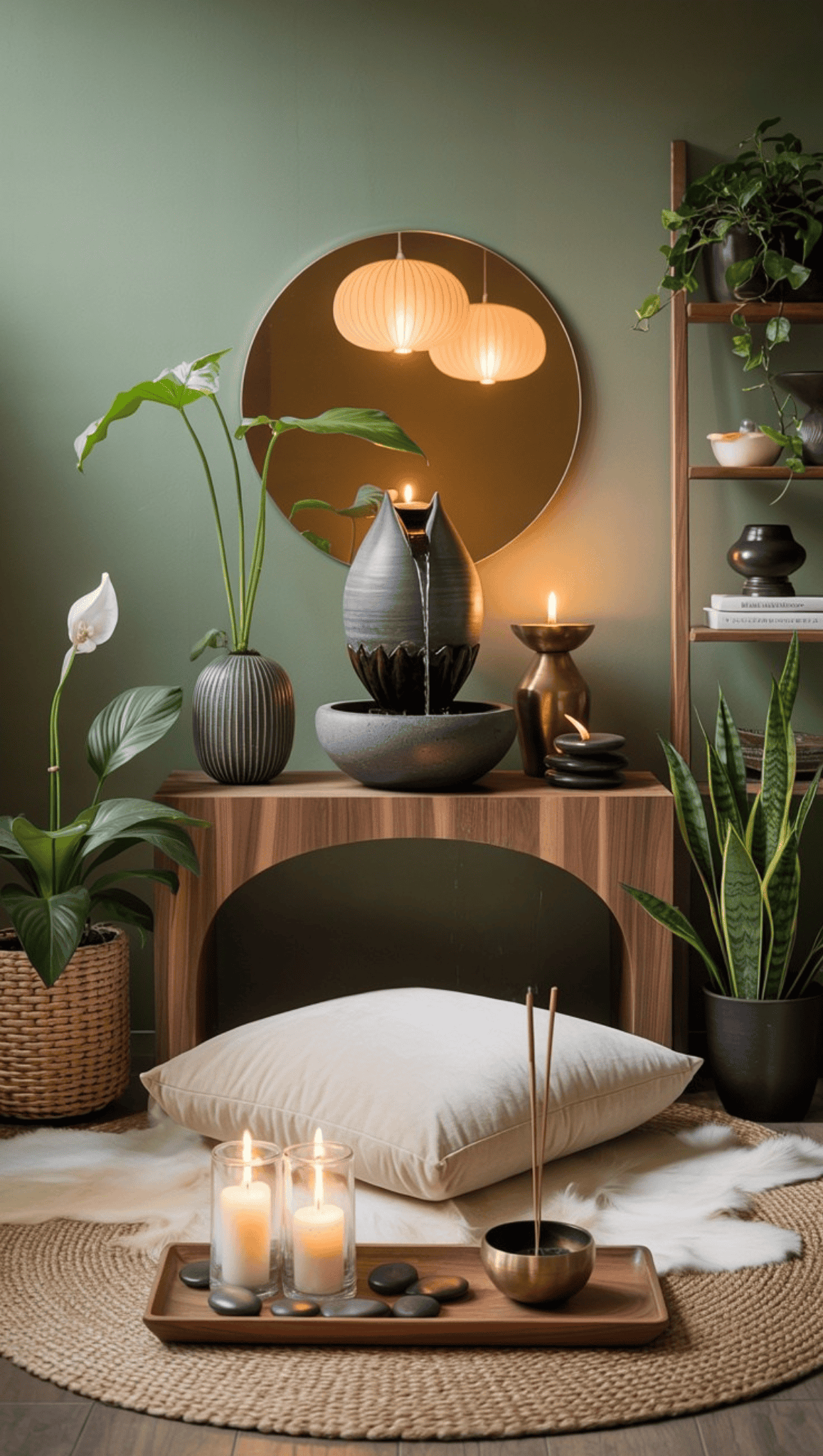
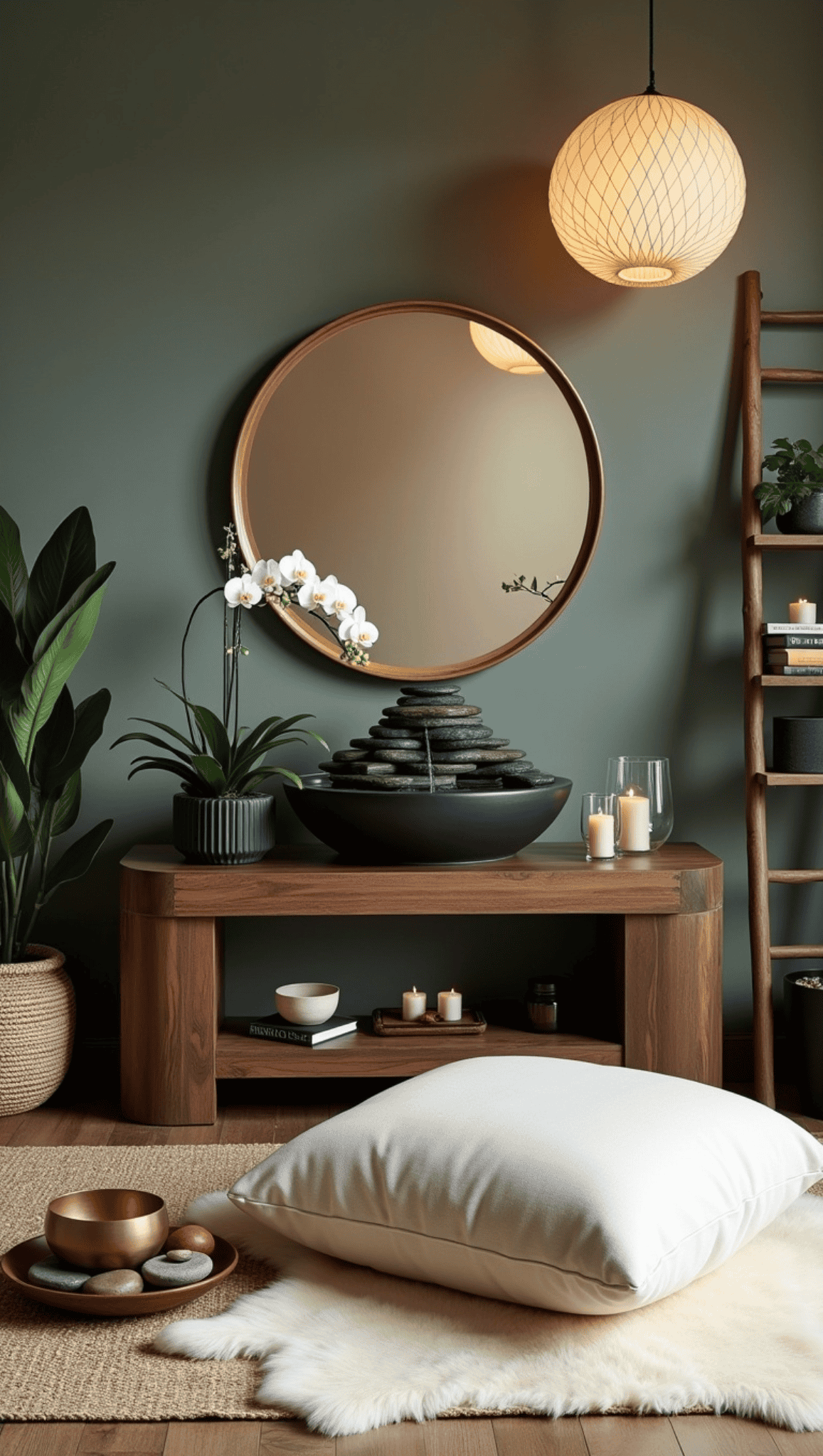
Water has appeared in sacred spaces across cultures for thousands of years, and for good reason. The gentle sound of flowing water naturally calms the nervous system while giving a busy mind something to rest on without effort. If you’ve been struggling with racing thoughts during meditation, a water element might offer the gentle anchor you’ve been searching for.
Gentle water sound works as a natural focus object, similar to breath or mantra, but external and effortless—you don’t have to generate it yourself. The sound also creates natural white noise that masks household sounds which might otherwise pull your attention. Beyond sound, water adds visual dimension: the surface catches and reflects candlelight and lantern glow, creating subtle movement on walls that feels alive without being distracting.
How to Recreate This Look:
- Choose a tabletop bamboo spout fountain for authentic Japanese aesthetic, or a simple ceramic bowl fountain
- Position it near your cushion where you can hear it clearly without it being directly in your line of sight
- Arrange smooth river stones around the fountain base and perhaps in a small tray nearby for grounding
- Include the standard Zen elements: sage walls, paper lanterns, bamboo plants, natural fiber cushion
- Place the fountain on a low wooden table or tray to elevate it and protect floor surfaces
- Test fountains before purchasing if possible—pump noise varies and quieter is better
- Keep water fresh and the fountain clean for pleasant sound and healthy appearance
The water becomes a teacher—always flowing, always returning, always present.




Final Thoughts
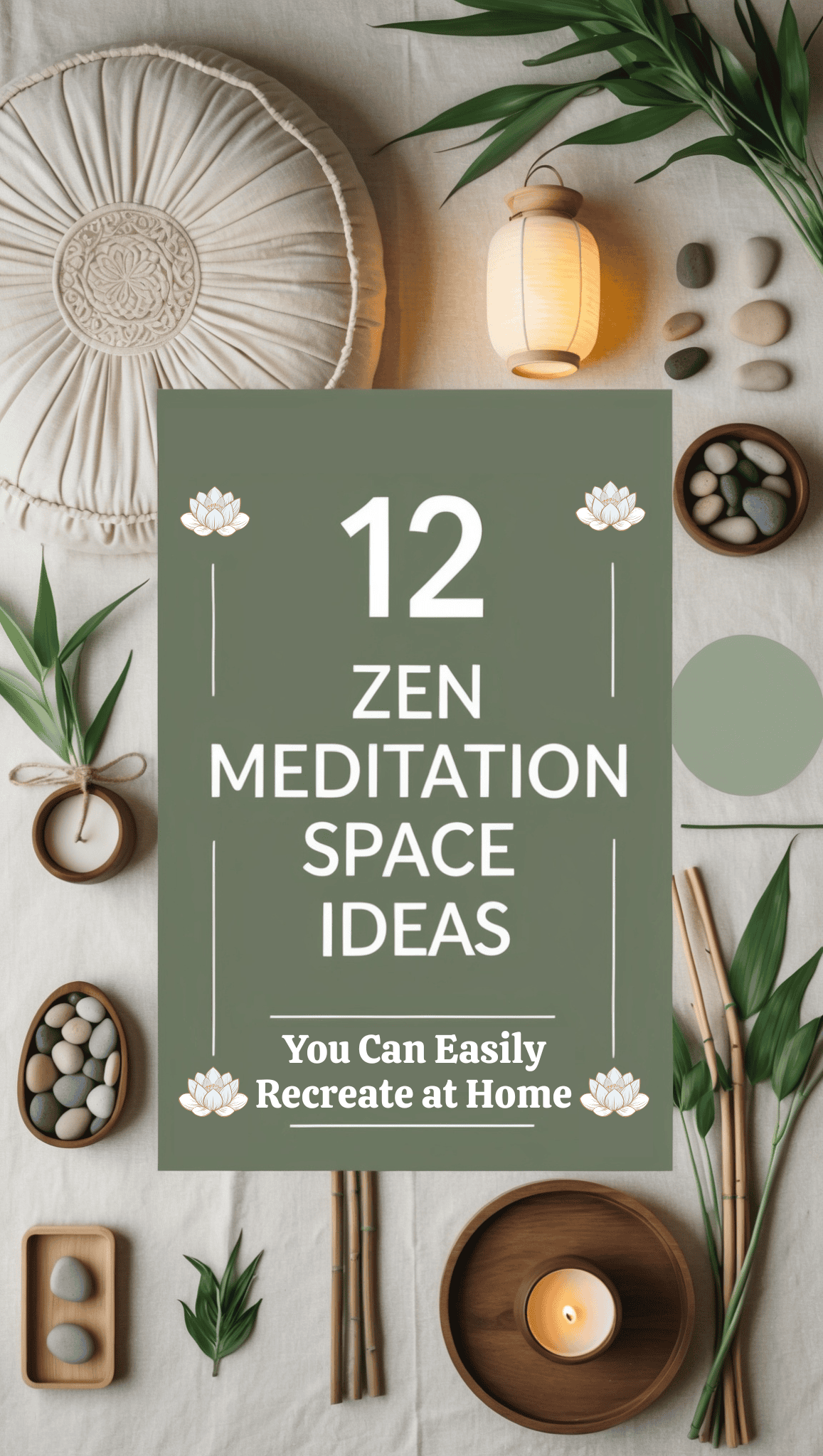
Creating a meditation space isn’t about achieving a perfect Pinterest-worthy room—it’s about giving yourself permission to prioritize your inner life. The twelve designs you’ve explored here all share common elements because those elements work: natural materials that connect you to the earth, soft lighting that calms the nervous system, living plants that remind you of growth and impermanence, and intentional boundaries that tell your brain “this space is different.”
Maybe you have an entire room to dedicate. Maybe you have a closet. Maybe you have a corner that needs to share with everything else in your life. Whatever your situation, there’s a version of Zen meditation space that will work. Start with one element—perhaps a cushion and a plant—and let the space evolve as your practice evolves. The most important thing isn’t how your space looks; it’s how it makes you feel when you arrive there ready to sit.
You deserve a space that welcomes you home to yourself. Start small, start imperfect, and start now.
This post may contain some affiliate links. As an Amazon Associate, I may earn from qualifying purchases at no extra cost to you. That being said, I only recommend products and services I genuinely believe in. Additionally, some images on this website may have been created with the help of AI to convey the feeling and aesthetic I wish to share with my readers.
Frequently Asked Questions
How much space do I actually need for a meditation corner?
You need less space than you might think—truly, a three-foot-by-three-foot area is enough for a cushion and the essential elements. The closet conversion proves that even the smallest spaces can become sanctuaries. What matters more than square footage is the intention you bring to defining and honoring that space. If you can sit comfortably with a small buffer around you, you have enough room to begin.
What if I can’t afford all the design elements right away?
Start with just a cushion and one other element that speaks to you—perhaps a single plant or a candle. Meditation doesn’t require a fully designed space; it requires a place to sit and an intention to practice. Add elements over time as budget allows, visiting thrift stores for interesting finds and watching for sales on items like paper lanterns and natural fiber rugs. The most beautiful meditation spaces often evolve gradually.
How do I maintain the Zen feeling when my space needs to serve other purposes?
The key is creating clear visual cues that can be activated when it’s meditation time. A folded blanket, a stored cushion, or a candle that gets lit only for practice all signal that the space has shifted purpose. Even better, choose elements that enhance the room’s beauty all the time—a plant, a rug, a piece of art—so your meditation corner improves your everyday environment rather than competing with it.
What if I try to meditate in my new space and my mind still races?
A racing mind isn’t a sign that your space has failed—it’s a sign that you’re human. The space supports your practice; it doesn’t do the practice for you. Over time, as your brain builds associations between the space and stillness, you may find settling happens more quickly. But even long-term meditators work with restless minds. Trust the process, return to the breath or sound of water, and let your space hold you while you learn.
Do I need to follow the exact design elements or can I adapt them?
Please adapt everything to fit your life, your taste, and your circumstances. These designs are templates, not prescriptions. If sage green doesn’t appeal to you, try soft blue or warm cream. If paper lanterns feel too delicate, try a salt lamp or candles. The underlying principles—natural materials, soft lighting, living elements, intentional boundaries—are what matter. Make the space genuinely yours and you’ll want to return to it.
About The Author
Jahlila Bastian is a National Board Certified Health & Wellness Coach (NBC-HWC), Certified Personal Trainer, and Holistic Nutrition Coach who helps women 40+ build stronger, healthier bodies and create a sustainable way of caring for themselves. With additional specializations in weight loss, physique and body composition, and gut health nutrition, her expertise spans nutrition, strength and fitness, healthy weight management, behavior change, and sustainable lifestyle habits.
Jahlila is the creator of The Tri-Sync Method™, her whole-self approach to wellness built around a Strong Body, Steady Mind, and Connected Self. Through practical education and personalized coaching, she helps women work toward the health and body goals that matter to them while building healthier habits, greater confidence, and a way of living that supports who they’re becoming.
Want to learn more about Jahlila and her approach? Meet Jahlila
Leave a Reply