


Table of Contents
You don’t need a complete life overhaul to finally feel at peace. Here’s what nobody tells you about building a calmer life — it’s not about doing more, it’s about doing the right things consistently. I used to think wellness meant hour-long workouts and complicated morning rituals. Spoiler alert: it doesn’t!
The truth is, small daily routines stack up faster than you’d expect. These aren’t trendy hacks that burn you out by week two. They’re sustainable, gentle practices that actually reduce stress and create genuine inner calm. Ready to discover the exact healthy daily routines that work? Let’s dive in.
This post may contain affiliate links. I only recommend products and services I genuinely believe in. Additionally, some images on this website may have been created with the help of AI to convey the feeling and aesthetic I wish to share with my readers.
What You Might Need Before You Begin
Before we explore these game-changing routines…
- Time commitment: Just 5-15 minutes per routine (start with only one!)
- Budget: $0 — most routines cost absolutely nothing
- Mindset shift: Progress over perfection, always
- Simple tools: A journal, water bottle, and a comfortable space
- Patience: Give yourself 2-3 weeks to feel the difference
- Self-compassion: You won’t be perfect, and that’s okay
1. Start Your Morning With Mindful Meditation
What if I told you that just 5 minutes each morning could completely transform how you handle stress for the rest of the day? It sounds almost too simple, but the effects are real. When you start your day with stillness, you’re setting a calm foundation before the chaos hits.
I’ll be honest — I resisted meditation for years. My brain felt too busy, too scattered. But here’s what changed everything: you don’t need to empty your mind. You just need to notice it. That simple shift made meditation feel accessible instead of impossible.
Benefits of Morning Meditation for Stress Reduction
Morning meditation trains your nervous system to respond differently to stress. Instead of immediately reacting to triggers, you create a small pause — a moment of choice. Over time, this pause becomes natural. You’ll notice yourself feeling less reactive, more grounded, and better equipped to handle whatever comes your way.
Enhancing Mental Clarity Through Breathwork
When you focus on your breath, something shifts. Your racing thoughts slow down. Your mental fog lifts. Deep, intentional breathing activates your body’s relaxation response almost immediately. Imagine starting each day with a clear, focused mind instead of that familiar morning anxiety. That’s the power of pairing meditation with conscious breathing.
Pairing Meditation with Gentle Movement for Maximum Impact
Here’s a secret that amplifies results: combine your meditation with 2-3 minutes of gentle stretching beforehand. Moving your body first releases physical tension that can block mental stillness. Try simple neck rolls, shoulder shrugs, or a standing forward fold. Your meditation will feel deeper, and the calm will last longer throughout your day.
How to Build a Simple 5-Minute Meditation Practice
- Set a consistent time — right after waking works best before distractions hit
- Find a comfortable seat — bed, floor, or chair all work perfectly
- Set a timer for 5 minutes — no peeking at the clock
- Close your eyes and breathe naturally — no special technique needed
- Notice when your mind wanders — this IS the practice, not a failure
- Gently return to your breath — every return strengthens your focus
- Success marker: You’ll feel slightly more spacious and less rushed
This single routine creates a foundation of calm that carries you through whatever the day brings.

2. Hydrate Intentionally Before Your First Scroll

Here’s what nobody tells you about that morning phone scroll — it’s triggering your stress response before the day even starts. Your body wakes up already needing hydration after hours without water. Adding anxiety-inducing notifications before nourishment? That’s a recipe for overwhelm.
The ritual matters more than you think. Drinking water first thing creates a psychological boundary between sleep and the demands of the day. You’re choosing to care for yourself before consuming content. That simple act of self-prioritization ripples into everything else.
Benefits of Morning Hydration for Energy and Focus
When you’re even slightly dehydrated, your brain doesn’t function at its best. Proper morning hydration helps you think clearer and feel more alert. You’ll likely experience fewer mid-morning energy crashes and less of that groggy, foggy feeling. It’s the simplest upgrade with one of the biggest payoffs.
Enhancing Your Mood Through Proper Water Intake
Water isn’t just physical fuel — it’s emotional fuel too. When your body is dehydrated, it can trigger feelings of fatigue and irritability. Drinking water upon waking signals care to your body. You’re saying: I’m taking care of you first. That message ripples into improved mood and emotional steadiness.
Pairing Hydration with Lemon or Electrolytes for Maximum Impact
Want to elevate your morning water? Add a squeeze of fresh lemon or a pinch of quality sea salt. Lemon adds a refreshing taste and supports digestion, while a bit of salt helps your cells actually absorb the water. This small addition transforms basic hydration into a ritual you’ll look forward to.
How to Make Morning Hydration a Non-Negotiable Habit
- Prep a full glass the night before — place it on your nightstand
- Drink it before your feet hit the floor — make it your very first action
- Room temperature works best — easier on your empty stomach
- Add lemon, honey, or electrolytes if plain water feels boring
- Wait 15-20 minutes before coffee — let your body absorb the water first
- Notice how you feel — most people report more energy within days
- Success marker: You’ll start craving this ritual naturally
Hydration before distraction sets the tone for a day where you come first.
3. Move Your Body With Gentle Stretching
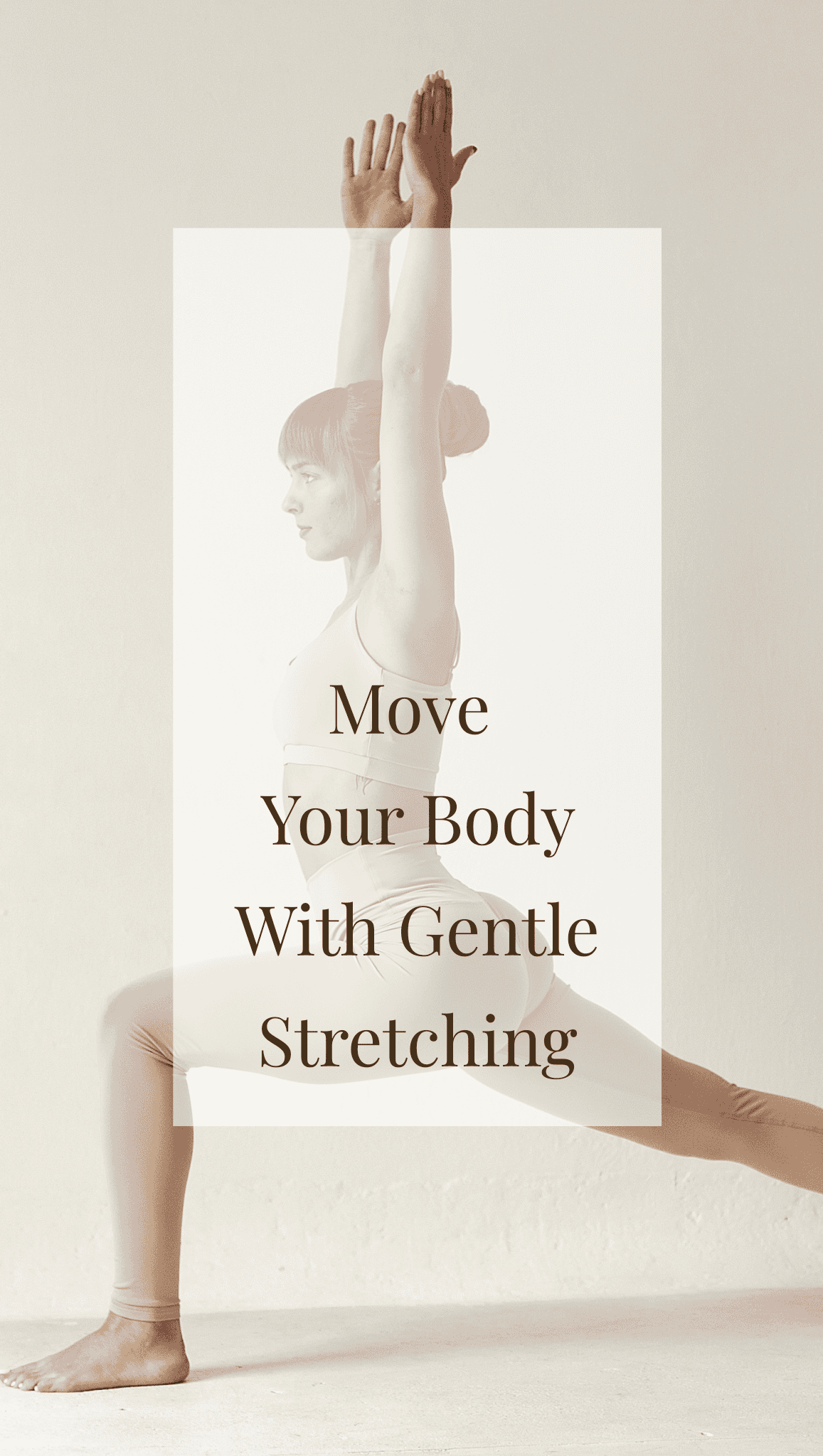
Here’s a truth that changed everything for me: you don’t need intense workouts to feel good in your body. Gentle stretching releases tension you didn’t even know you were holding. It’s like giving your muscles permission to finally relax.
We store so much stress physically — tight shoulders, clenched jaws, stiff lower backs. Just 5-10 minutes of intentional stretching can release hours of accumulated tension. The best part? You don’t need flexibility, special equipment, or even to leave your bedroom.
Benefits of Daily Stretching for Nervous System Regulation
Stretching does more than loosen muscles — it sends safety signals to your nervous system. When you slow down and move gently, your body shifts out of fight-or-flight mode. You’ll notice your breathing deepen, your heart rate slow, and your mind quiet. It’s physical meditation.
Enhancing Flexibility Through Consistent Morning Movement
Flexibility isn’t about touching your toes — it’s about moving through life with less resistance. Consistent morning stretching gradually increases your range of motion, making everyday activities feel easier. You’ll bend down without wincing, turn your neck without stiffness, and carry less physical tension into your day.
Pairing Stretching with Deep Breathing for Maximum Impact
The magic multiplies when you breathe deeply into each stretch. Inhale as you prepare, exhale as you deepen the movement. This combination releases both physical and emotional tension simultaneously. Try holding each stretch for 3-5 slow breaths instead of counting seconds — you’ll feel the difference immediately.
How to Create a 10-Minute Stretch Routine You’ll Actually Do
- Start in bed — gentle spinal twists and knee-to-chest stretches work great
- Stand up slowly — reach your arms overhead with a big inhale
- Roll your neck gently — 5 circles each direction releases surprising tension
- Forward fold — let your head hang heavy, bend knees if needed
- Cat-cow stretches — on hands and knees, alternate arching and rounding
- Child’s pose — rest here for 5 breaths to finish
- Success marker: You’ll feel looser and more awake without caffeine
Movement is medicine, and gentle stretching is the most accessible dose.
4. Nourish Yourself With Balanced Meals
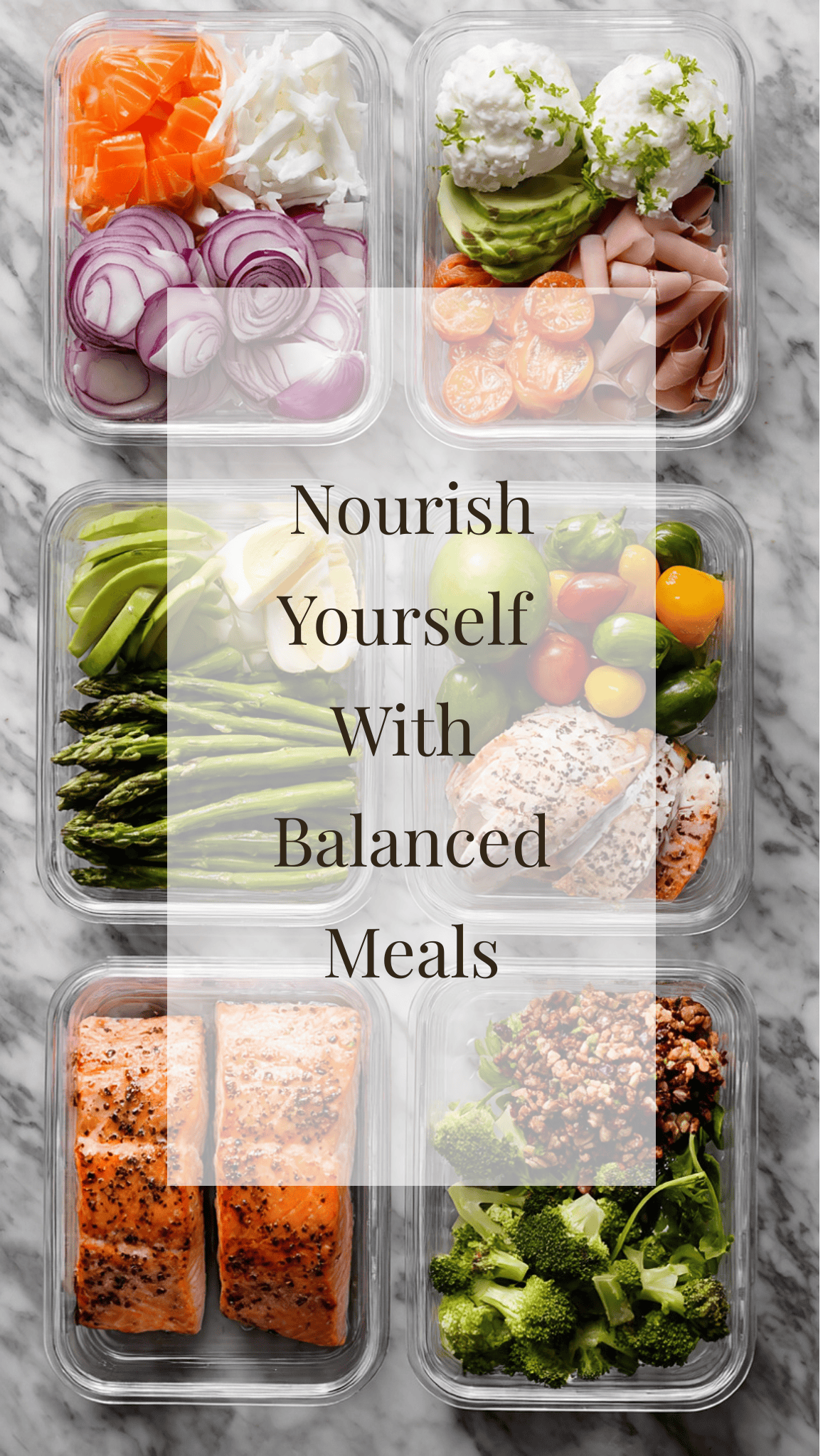
What if your afternoon anxiety isn’t mental — it’s actually a blood sugar crash? So many people blame their mood on circumstances when the real culprit is unstable energy from unbalanced eating. This was a game-changer for my own calm.
Eating well isn’t about restriction or perfection. It’s about giving your body steady fuel so your emotions stay steady too. When you nourish yourself consistently, you’re not just feeding your body — you’re supporting your nervous system, your mood, and your ability to handle stress.
Benefits of Balanced Nutrition for Emotional Stability
When your blood sugar spikes and crashes, so does your mood. Balanced meals with protein, healthy fats, and fiber keep your energy stable. You’ll notice fewer mood swings, less irritability, and more emotional resilience. Food is foundational to feeling calm — more than most people realize.
Enhancing Energy Levels Through Whole Foods
Processed foods give you quick energy followed by a crash. Whole foods provide sustained fuel that lasts. Think of it like the difference between kindling and a slow-burning log. When you eat real food, you’ll feel more consistent energy throughout your day without the highs and lows.
Pairing Protein with Fiber for Maximum Impact
Here’s a simple formula: every meal needs protein plus fiber. Protein keeps you full and stabilizes blood sugar. Fiber slows digestion so energy releases gradually. Eggs with vegetables, chicken with roasted veggies, or yogurt with berries all follow this pattern. Your body will thank you with steadier moods.
How to Plan Simple, Nourishing Meals Without Stress
- Prep basics on Sunday — cook a protein, chop vegetables, make a grain
- Follow the plate method — half vegetables, quarter protein, quarter carbs
- Don’t skip meals — hunger triggers stress hormones and crashes
- Keep easy options ready — hard-boiled eggs, nuts, cut fruit
- Eat without screens — you’ll notice fullness and enjoy food more
- Stay flexible — progress over perfection always
- Success marker: Steady energy and fewer afternoon slumps
Nourishment isn’t punishment — it’s the ultimate act of self-respect.
5. Take a Midday Reset Break
Here’s what nobody tells you about pushing through exhaustion: it actually makes you less productive, not more. That afternoon wall you hit? It’s your body begging for a pause. Fighting it creates more stress, not less.
Taking a midday break feels rebellious in our hustle culture. But the most successful, calm people build rest into their day intentionally. Even 5-10 minutes can reset your entire nervous system and carry you through the afternoon with renewed focus and energy.
Benefits of Midday Breaks for Sustained Focus
Your brain isn’t designed for hours of uninterrupted focus. Regular breaks actually improve concentration and creativity. When you step away, your mind processes information in the background. You’ll return sharper, with fresh perspective and renewed motivation.
Enhancing Afternoon Energy Through Intentional Rest
That 2pm slump is universal — and fighting it makes it worse. A brief intentional rest resets your energy naturally. Close your eyes for 5 minutes, take a short walk, or simply sit quietly. You’re not being lazy; you’re being strategic about sustaining your energy.
Pairing a Reset Break with Fresh Air for Maximum Impact
If possible, take your midday break outside. Even stepping onto a balcony or opening a window makes a difference. Fresh air and natural light signal to your body that it’s daytime, helping regulate your energy. Combine this with a few deep breaths for maximum reset.
How to Take a Midday Reset Even With a Packed Schedule
- Set a non-negotiable alarm — treat it like an important meeting
- Step away from your workspace — physical distance matters
- Put your phone on do not disturb — even for 5 minutes
- Take 5-10 deep breaths — this alone shifts your state
- Stretch or walk briefly — movement restores energy
- Avoid screens during the break — let your eyes and mind rest
- Success marker: You’ll feel recharged instead of depleted by 4pm
Permission to pause isn’t laziness — it’s the foundation of sustainable productivity.
6. Spend Time in Nature or Fresh Air

What if the fastest path back to calm was just outside your door? Nature has a way of resetting our overwhelmed nervous systems that nothing else can replicate. Even a few minutes outside can shift your entire state.
I used to think “time in nature” meant hiking for hours. But even stepping outside for 5 minutes counts. Feeling grass under your feet, sun on your face, or wind in your hair — these sensory experiences pull you out of your head and into the present moment.
Benefits of Nature Exposure for Lowering Stress
There’s a reason we feel calmer around trees, water, and open sky. Natural environments help lower stress and create a sense of ease. Your body recognizes nature as safe, triggering relaxation. Even looking at images of nature has calming effects — though the real thing is always better.
Enhancing Your Mood Through Outdoor Time
Being outside naturally lifts your mood. Sunlight, fresh air, and green spaces all contribute to emotional wellbeing. If you’ve been feeling low or anxious, outdoor time is often more effective than scrolling for distraction. Nature doesn’t demand anything from you — it just offers presence.
Pairing Nature Walks with Mindfulness for Maximum Impact
Walking outside is good. Walking outside while actually noticing your surroundings is transformative. Leave your earbuds out occasionally. Notice the colors, textures, sounds, and smells around you. This combination of movement, nature, and mindfulness creates a powerful calm that lingers for hours.
How to Get More Fresh Air Into Your Daily Routine
- Morning sunlight exposure — even 5 minutes helps regulate your body clock
- Take calls outside — walk and talk when possible
- Eat lunch outdoors — find a bench, patio, or even your front step
- Evening walks — process your day while moving through nature
- Open windows — let fresh air into your living space
- Weekend nature time — prioritize parks, trails, or water
- Success marker: You’ll start craving outdoor time naturally
Nature is free therapy — and it’s available every single day.
7. Practice Gratitude or Journaling
Here’s what changed my mental health more than almost anything else: writing things down. There’s something powerful about transferring swirling thoughts from your head onto paper. It creates space, clarity, and perspective that thinking alone can’t achieve.
You don’t need to be a writer or spend hours journaling. Even 2-3 minutes of gratitude practice shifts your brain’s focus from what’s wrong to what’s right. This isn’t toxic positivity — it’s intentionally training your mind to notice the good that’s already there.
Benefits of Gratitude Practice for Perspective Shifts
When you actively look for things to appreciate, your brain starts noticing positives automatically. It’s like a mental filter that gradually shifts. Problems don’t disappear, but they feel more manageable. You’ll find yourself feeling more content with what you have instead of constantly wanting more.
Enhancing Self-Awareness Through Daily Journaling
Writing helps you understand your own thoughts and patterns. When you journal regularly, you start noticing what triggers stress, what brings joy, and what you actually need. This self-awareness is the foundation of lasting calm — you can’t change what you don’t notice.
Pairing Gratitude with Evening Reflection for Maximum Impact
Try this combo: gratitude in the morning, reflection at night. Morning gratitude sets a positive tone for the day. Evening reflection helps you process what happened and release it before sleep. Together, they bookend your day with intention and awareness.
How to Start a Simple Journaling Habit That Sticks
- Keep it stupidly simple — 3 things you’re grateful for, that’s it
- Same time every day — attach it to an existing habit like morning coffee
- Use any notebook — fancy journals aren’t required
- Write quickly — don’t overthink or edit yourself
- Include small things — warm socks, a good cup of tea, a kind text
- Try prompts if stuck — “Today I’m thankful for…” works every time
- Success marker: You’ll start noticing good things throughout the day
Gratitude isn’t about ignoring problems — it’s about building a stronger foundation to handle them.
8. Set Boundaries Around Screen Time
What if I told you your phone might be the biggest obstacle to your calm? The constant pings, scrolls, and notifications keep your nervous system in low-grade alert mode all day long. We’ve normalized being constantly available, but it comes at a cost.
This isn’t about demonizing technology — it’s about using it intentionally instead of letting it use you. Small boundaries around screen time create pockets of peace that didn’t exist before. You’ll be surprised how much calmer you feel when you’re not constantly reacting to your device.
Benefits of Digital Boundaries for Mental Clarity
Every notification is a small interruption that fragments your attention. Reducing digital noise allows your brain to focus and rest. You’ll think more clearly, feel less scattered, and have more mental energy for what actually matters. The constant stimulation we’ve normalized is genuinely exhausting.
Enhancing Present-Moment Awareness Through Tech Breaks
When you’re not constantly checking your phone, you’re actually present in your life. You notice conversations, surroundings, and your own feelings more clearly. Tech breaks don’t create boredom — they create space for real life to fill in.
Pairing Screen Limits with Analog Activities for Maximum Impact
Replace scroll time with something tactile. Read a physical book, cook a meal, take a walk, or write in a journal. These analog activities give your overstimulated brain a break while still engaging you. The contrast will make you realize how draining constant screen time actually is.
How to Set Realistic Digital Boundaries You’ll Keep
- Designate phone-free zones — bedroom and dining table are great starts
- Set specific check-in times — instead of constant refreshing
- Turn off non-essential notifications — you don’t need to know everything immediately
- Use airplane mode strategically — during meals, first hour awake, before bed
- Delete apps that drain you — even temporarily to break the habit
- Notice your triggers — boredom, anxiety, and procrastination often lead to scrolling
- Success marker: You’ll feel more present and less anxious
Your phone should serve your life — not steal your peace.
9. Create a Screen-Free Wind Down Ritual
Here’s what nobody tells you about sleep problems: they often start hours before bed. That late-night scroll session? It’s telling your brain to stay alert when it should be winding down. Blue light and stimulating content are the enemies of restful sleep.
The last hour before bed shapes your entire night. Creating a screen-free wind down ritual signals to your body that it’s time to rest. This isn’t about willpower — it’s about setting up your environment and habits to make good sleep inevitable.
Benefits of Screen-Free Evenings for Deeper Sleep
Screens emit blue light that can interfere with your body’s natural sleep preparation. Avoiding screens before bed allows your body to wind down naturally. You’ll fall asleep faster, sleep more deeply, and wake feeling more rested. The difference is noticeable within just a few nights.
Enhancing Relaxation Through Calming Activities
Replace scroll time with activities that actually relax you. Reading a physical book, gentle stretching, taking a warm bath, or listening to calm music all work beautifully. These activities lower your heart rate and calm your mind, preparing you for restorative sleep.
Pairing Wind Down Time with Dim Lighting for Maximum Impact
Light affects your body clock powerfully. Dim your lights 1-2 hours before bed to support your natural sleep signals. Use lamps instead of overhead lights, try candles, or use warm-toned bulbs. This environmental shift tells your body it’s almost time to sleep.
How to Design an Evening Ritual That Signals Rest
- Set a “screens off” alarm — 60-90 minutes before your bedtime
- Dim the lights — or switch to candles and lamps
- Take a warm shower or bath — the temperature drop afterward promotes sleep
- Read something calming — physical books only, nothing too stimulating
- Gentle stretching — release the tension you’ve accumulated all day
- Prepare for tomorrow — a short list reduces morning anxiety
- Success marker: You’ll feel genuinely sleepy instead of wired at bedtime
The quality of your sleep determines the quality of your days.
10. Indulge in an Evening Self-Care Ritual
What if taking care of yourself wasn’t selfish — but absolutely necessary? Evening self-care isn’t indulgence; it’s maintenance. Just like you charge your phone every night, your body and mind need intentional restoration too.
I used to skip self-care because it felt like “extra.” But those 10-15 minutes of care each evening compound into genuine wellbeing. Whether it’s skincare, a warm drink, or simply sitting in silence, these small rituals tell your nervous system: the day is done, you are safe.
Benefits of Evening Self-Care for Nervous System Calm
Self-care rituals transition your body from doing mode to being mode. The sensory experience — warm water, soothing scents, gentle touch — activates your relaxation response. You’re not just pampering yourself; you’re physiologically calming your system.
Enhancing Sleep Quality Through Skincare Routines
A simple skincare routine does double duty. It cares for your skin while creating a predictable ritual that signals bedtime. The repetitive, gentle motions are naturally calming. Plus, taking care of your appearance often improves how you feel about yourself — a subtle but real mood boost.
Pairing Self-Care with Aromatherapy for Maximum Impact
Scent is one of the fastest pathways to calm. Lavender, chamomile, eucalyptus, and vanilla all have naturally soothing properties. Use essential oils, scented lotions, or candles during your evening routine. Your brain will start associating these scents with relaxation.
How to Build a 10-Minute Evening Self-Care Practice
- Choose 2-3 activities you genuinely enjoy — this shouldn’t feel like a chore
- Wash your face mindfully — feel the water, notice the sensations
- Apply lotion or oils slowly — turn it into a gentle massage
- Use calming scents — lavender is classic for a reason
- Sip herbal tea — chamomile, lavender, or decaf options work well
- Do this at the same time nightly — consistency creates automatic relaxation
- Success marker: You’ll look forward to this time every evening
Self-care isn’t selfish — it’s how you sustain yourself for everything else.
11. Stick to a Consistent Sleep Schedule
Here’s a truth that transformed my energy: your body craves rhythm more than extra sleep. Sleeping in on weekends might feel good temporarily, but it disrupts your internal clock. Consistency is more powerful than quantity.
When you go to bed and wake up at roughly the same time daily, your body learns when to feel tired and when to feel alert. No more lying awake at night or dragging through mornings. Your natural rhythms start working for you instead of against you.
Benefits of Sleep Consistency for Emotional Regulation
Poor sleep makes everything harder — including managing emotions. Consistent sleep improves your ability to handle stress, regulate mood, and think clearly. When you’re well-rested on a regular schedule, you’re simply a calmer, more resilient version of yourself.
Enhancing Energy Through a Stable Sleep Rhythm
Your body’s internal clock controls more than just sleep — it affects hormones, digestion, and energy throughout the day. A consistent schedule helps all these systems work better. You’ll notice more stable energy without the extreme highs and lows that come from irregular sleep patterns.
Pairing a Set Bedtime with a Wake-Up Ritual for Maximum Impact
Both ends of sleep matter. Set a consistent bedtime AND a consistent wake time — yes, even on weekends. Then create small rituals around each. A calming wind-down routine before bed and an energizing morning routine create bookends that make the whole system work better.
How to Create a Sleep Schedule That Actually Works
- Choose realistic times — based on when you naturally feel tired and must wake
- Start with wake time — this is often easier to control than bedtime
- Keep weekends within 1 hour — don’t undo your progress with Sunday sleep-ins
- Adjust gradually — shift by 15-30 minutes at a time if needed
- Protect your bedtime — treat it like an important appointment
- Be patient — your body needs 1-2 weeks to adjust
- Success marker: You’ll start waking naturally before your alarm
Consistent sleep is the foundation every other healthy habit rests upon.
12. Do a Weekly Planning or Brain Dump Session
What if one 15-minute session could dramatically reduce your mental load for the entire week? A weekly brain dump gets everything out of your head and onto paper where it can be organized, prioritized, or released. The relief is immediate.
We carry so much invisible mental weight — tasks we’re afraid we’ll forget, worries we keep recycling, decisions we’re putting off. Weekly planning creates a container for all of it. You’ll start each week feeling clear instead of already behind.
Benefits of Weekly Planning for Reduced Mental Load
Your brain isn’t designed to store unlimited to-dos and worries. Externalizing this information frees up mental space for actual thinking, creating, and being present. After a brain dump session, most people report feeling lighter, clearer, and surprisingly more relaxed.
Enhancing Productivity Through Brain Dumping
When everything is in your head, priorities blur together. Writing it all down lets you see what actually matters. You can identify what’s urgent, what can wait, and what doesn’t need to happen at all. This clarity transforms overwhelmed busyness into intentional action.
Pairing Planning with a Cozy Ritual for Maximum Impact
Make your planning session something you look forward to. Pair it with a favorite drink, comfortable spot, and maybe some calm music. Sunday mornings with coffee, Friday evenings with tea — find what works for you. When planning feels cozy, you’ll actually do it consistently.
How to Do a Weekly Brain Dump in 15 Minutes or Less
- Set a consistent time — Sunday evening or Monday morning works well
- Grab paper or a digital note — whatever feels easiest
- Write everything down — tasks, worries, ideas, appointments, everything
- Don’t organize while dumping — just get it all out first
- Review and categorize — must do, should do, could do, not now
- Pick 3 priorities for the week — focus creates calm
- Success marker: You’ll feel clearer and more in control immediately
Getting it out of your head is the fastest path to peace of mind.
Final Thoughts
Here’s the truth about building a calmer life: you don’t have to do all 12 of these routines. Start with one. Just one that calls to you.
Maybe your system responds to morning meditation. Maybe it’s the evening wind-down that will transform your sleep. Perhaps it’s finally setting those digital boundaries that have felt impossible. There’s no perfect order, no required timeline.
The goal isn’t perfection — it’s progress. Some days you’ll nail your routine, other days you won’t. That’s completely normal.
Start with whatever feels most manageable today. Let it become natural before adding anything else. These small, consistent practices compound over time into a genuinely calmer life.
You deserve to feel steady. You deserve to feel at peace. And now you have the roadmap to get there.
This post may contain affiliate links. I only recommend products and services I genuinely believe in. Additionally, some images on this website may have been created with the help of AI to convey the feeling and aesthetic I wish to share with my readers.
Frequently Asked Questions
Do I Need to Do All 12 Routines Every Day?
Absolutely not! Start with just one or two that resonate with you. Trying to overhaul everything at once leads to burnout. Pick the routine that feels most doable, practice it until it becomes natural, then consider adding another. Quality over quantity always wins.
How Long Before I Start Feeling Calmer?
Most people notice small shifts within 1-2 weeks of consistent practice. Bigger changes typically emerge around the 3-4 week mark. Be patient with yourself — you’re building new habits, and that takes time. Trust the process even when changes feel subtle.
What If I Miss a Day or Fall Off Track?
Missing a day doesn’t erase your progress. Simply start again the next day without guilt or self-criticism. Consistency over time matters more than perfection on any single day. Beating yourself up is the opposite of calm living — extend yourself the grace you’d give a friend.
Which Routine Should I Start With First?
Start with the one that feels easiest or most appealing to you. There’s no “right” order. If you’re exhausted, maybe start with sleep consistency. If you’re scattered, try the morning meditation. Listen to what your body and mind are asking for — they usually know.
Can These Routines Help With Anxiety?
Many people find these routines significantly reduce day-to-day anxiety. Practices like meditation, nature time, and screen boundaries directly support nervous system regulation. However, if you’re experiencing severe anxiety, these routines work best alongside professional support, not as a replacement for it.
About The Author
Jahlila Bastian is a National Board Certified Health & Wellness Coach (NBC-HWC), Certified Personal Trainer, and Holistic Nutrition Coach who helps women 40+ build stronger, healthier bodies and create a sustainable way of caring for themselves. With additional specializations in weight loss, physique and body composition, and gut health nutrition, her expertise spans nutrition, strength and fitness, healthy weight management, behavior change, and sustainable lifestyle habits.
Jahlila is the creator of The Tri-Sync Method™, her whole-self approach to wellness built around a Strong Body, Steady Mind, and Connected Self. Through practical education and personalized coaching, she helps women work toward the health and body goals that matter to them while building healthier habits, greater confidence, and a way of living that supports who they’re becoming.
Want to learn more about Jahlila and her approach? Meet Jahlila


Leave a Reply