

Table of Contents
Here’s something nobody told me when I was exhausted, bloated, and struggling with joint pain that seemed to come out of nowhere: the food on my plate was quietly fueling the fire. Not dramatically. Not overnight. But slowly, consistently — meal after meal — my diet was feeding a low-grade inflammation that was draining my energy and making me feel decades older than I was. Sound familiar? You’re not imagining it. And you are absolutely not alone.
The good news? Healing doesn’t require a complete life overhaul. It starts with understanding what inflammation actually is, which foods are working against your body, and which ones are quietly doing the heavy lifting to heal you from the inside out. This guide was written for the beginner — no complicated meal plans, no overwhelming science. Just clear, warm, actionable information you can actually use starting today. Ready? Let’s dig in.
This post may contain affiliate links. I only recommend products and services I genuinely believe in. Additionally, some images on this website may have been created with the help of AI to convey the feeling and aesthetic I wish to share with my readers.
What You Might Need
Before we dive into these game-changing insights, here’s what will help you get the most out of this guide:
- Open mind: You don’t need to be perfect — small shifts create real change.
- A journal or notes app: Jot down what you eat and how you feel. Patterns will surprise you.
- 10–15 minutes: That’s all it takes to read this guide and walk away with a clear starting point.
- A grocery budget of any size: Anti-inflammatory eating can be budget-friendly — we’ll show you how.
- Willingness to experiment: Your body is unique. What works beautifully for others may need a small tweak for you.
1. What Is Inflammation and Why Does It Matter for Your Health?
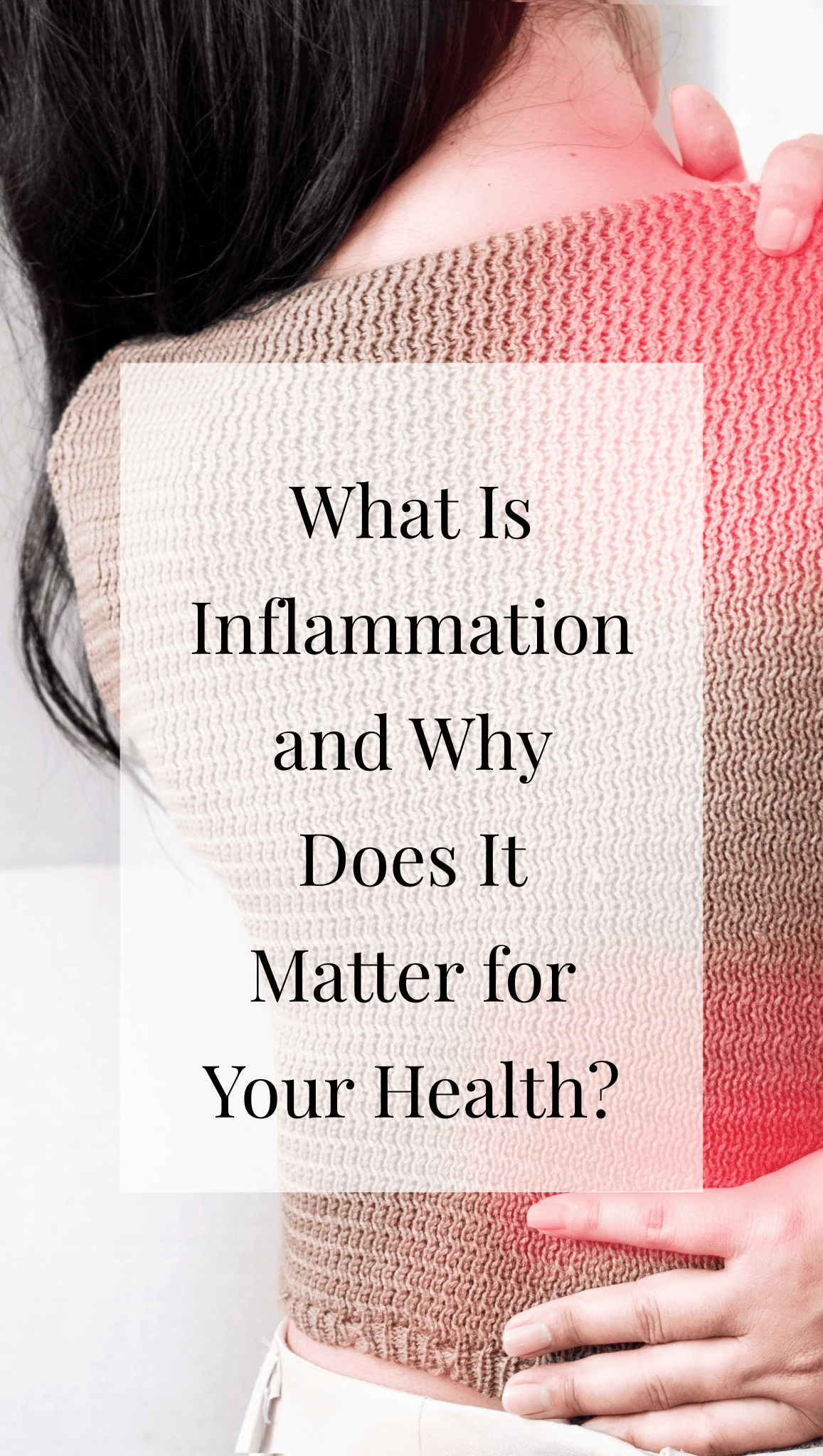
What if I told you that the fatigue, brain fog, and random aches you’ve been brushing off might all share one root cause? Chronic inflammation is one of medicine’s most studied — and most misunderstood — topics. It’s not just swelling after you twist your ankle. It’s a slow, invisible process happening inside your body right now, and for millions of people, it’s quietly behind some of the most frustrating health struggles they face.
Here’s the key distinction: acute inflammation is your friend. It’s the rush of healing your body sends to a wound or infection — fast, purposeful, then gone. Chronic inflammation is the problem. It’s that same response stuck in the “on” position, long after there’s no threat to fight. Research links it to heart disease, type 2 diabetes, arthritis, depression, and even cognitive decline. The exciting part? Your fork has enormous power to turn that dial down.
Benefits of Understanding Inflammation for Long-Term Health
Studies show that people who adopt anti-inflammatory diets report measurable reductions in C-reactive protein (CRP) — a key blood marker of inflammation — within just weeks. Lower CRP is associated with reduced risk of cardiovascular disease, better joint mobility, and improved energy levels. When you understand what’s happening under the surface, every food choice starts to feel like an act of care for your future self.
Recognizing Chronic Inflammation Through Everyday Symptoms
Chronic inflammation rarely announces itself loudly. Instead, it whispers through persistent fatigue, digestive discomfort, skin flare-ups, brain fog, and unexplained weight gain. Many people live with these symptoms for years, treating each one separately — without realizing they may share one common thread. Tuning into your body’s signals is the first powerful step toward relief.
Pairing Awareness With Action for Maximum Healing Impact
Knowledge alone won’t heal you — but it will change how you grocery shop, how you cook, and how you feel about your plate. Pair this new understanding with the food swaps coming up in this guide, and you’ll have a genuinely powerful toolkit. Most people notice a meaningful shift in energy and digestion within 2–4 weeks of consistent change.
How to Start Reducing Inflammation Today
- Notice your symptoms — write down 3 recurring physical complaints you’ve normalized.
- Google your CRP level — ask your doctor to check it at your next visit for a baseline.
- Swap one processed meal this week with a whole-food alternative.
- Start a simple food-mood journal — notice how you feel 2 hours after eating.
- Drink 8 glasses of water daily — dehydration amplifies inflammatory responses.
- Add one anti-inflammatory spice (turmeric or ginger) to something you’re already making.
- Be patient and kind with yourself — healing is not a race.
Once you understand the “why” behind inflammation, the food choices ahead stop feeling like restrictions — they start feeling like powerful acts of self-care. And that mindset shift? It changes everything.

2. Discover the Top Anti-Inflammatory Foods to Add to Your Plate
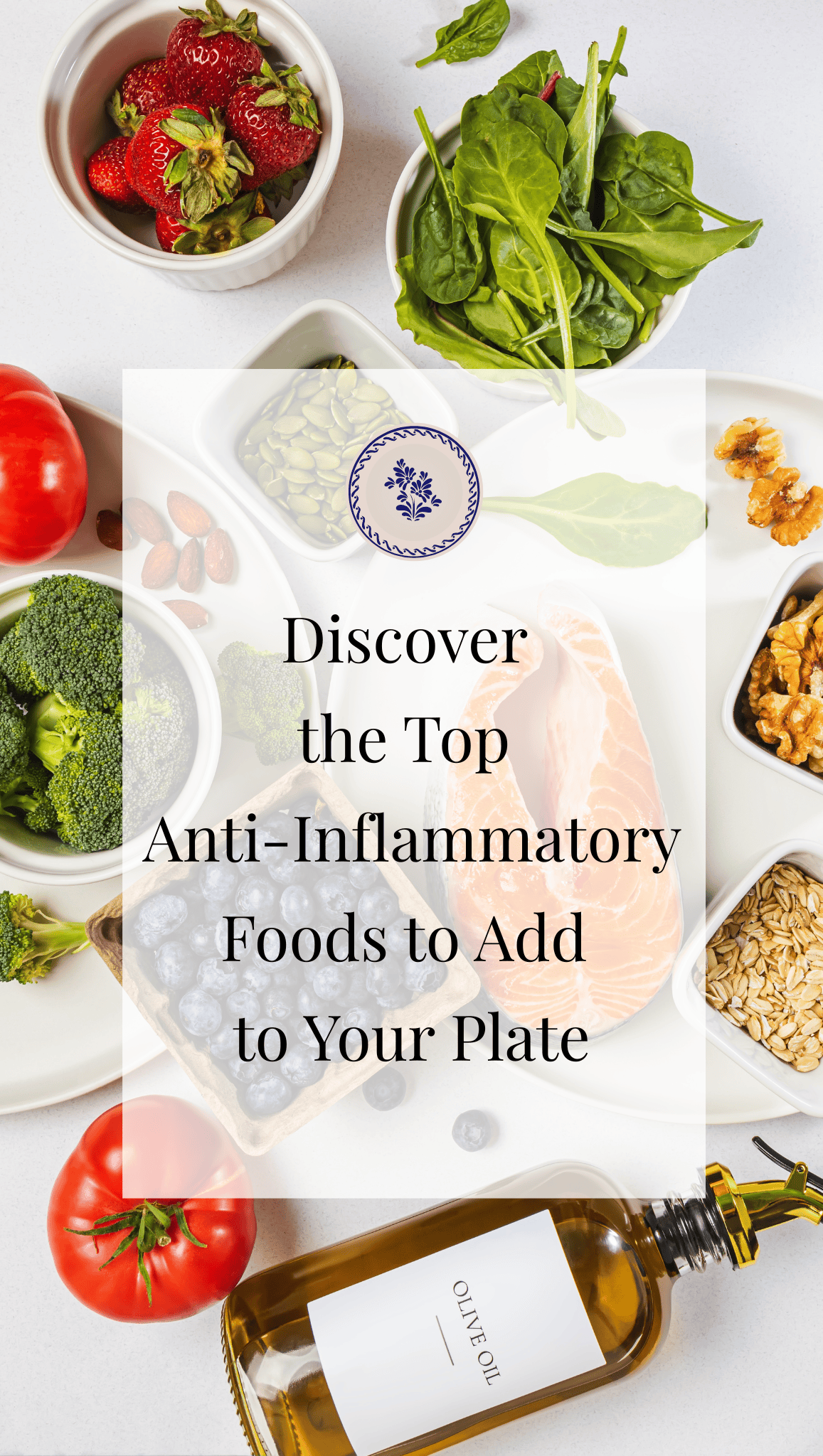
Here’s what nobody tells you at the start of a wellness journey: you don’t have to give up everything you love. Anti-inflammatory eating isn’t about deprivation — it’s about addition. When you start crowding your plate with foods that actively calm your immune system and nourish your cells, the foods that hurt you naturally start taking up less space. It’s a gentler, more sustainable approach than any elimination diet I’ve ever tried.
The most healing foods on the planet are also some of the most delicious and accessible. We’re talking about rich salmon, silky olive oil, vibrant berries, and warming spices that have been used as medicine for thousands of years. Science has now confirmed what ancient cultures knew intuitively: these foods contain compounds that directly interrupt the inflammatory process at the cellular level. You’re not just eating well — you’re communicating with your biology.
Benefits of Omega-3 Rich Foods for Reducing Inflammation
Fatty fish like salmon, sardines, and mackerel are among the most studied anti-inflammatory foods on the planet. Their omega-3 fatty acids (EPA and DHA) actively suppress the production of inflammatory molecules called cytokines. Multiple peer-reviewed meta-analyses confirm that regular omega-3 intake significantly reduces key inflammation markers including CRP, TNF-α, and IL-6. Aim for 2–3 servings of fatty fish per week — your joints, heart, and brain will thank you.
Enhancing Cellular Protection Through Antioxidant-Rich Plant Foods
Berries, leafy greens, and colorful vegetables are packed with polyphenols, flavonoids, and antioxidants — nature’s answer to oxidative stress. Think of free radicals as sparks that ignite inflammation, and antioxidants as the gentle rain that puts them out. Harvard Health notes that foods like blueberries, leafy greens, and apples are particularly high in natural antioxidants and polyphenols — protective compounds strongly associated with lower rates of inflammatory disease.
Pairing Healthy Fats With Healing Spices for Maximum Anti-Inflammatory Impact
Extra virgin olive oil contains oleocanthal — a compound that works similarly to ibuprofen in blocking inflammatory enzymes. Pair it with turmeric (curcumin) and black pepper — research published in Planta Medica found that piperine in black pepper increases curcumin absorption by 2,000% — and you’ve created a powerhouse combination. Drizzle olive oil over roasted vegetables seasoned with turmeric for a meal that tastes incredible and works like medicine.
How to Fill Your Plate With Anti-Inflammatory Foods Every Day
- Add fatty fish (salmon, sardines, mackerel) to your meals 2–3 times per week.
- Toss a large handful of leafy greens into smoothies, soups, or stir-fries daily.
- Snack on a cup of mixed berries — fresh or frozen both deliver powerful antioxidants.
- Swap butter or vegetable oil for extra virgin olive oil in everyday cooking.
- Add a handful of walnuts or chia seeds to your breakfast for a quick omega-3 boost.
- Season generously with turmeric, ginger, and garlic — they’re flavor AND medicine.
- Stock up on frozen anti-inflammatory staples so healthy choices are always fast.
Every anti-inflammatory food you add to your plate is a vote for the version of yourself that wakes up with energy, moves without pain, and feels genuinely well. Start with one food this week.
3. Learn Which Inflammatory Foods Are Secretly Sabotaging Your Health
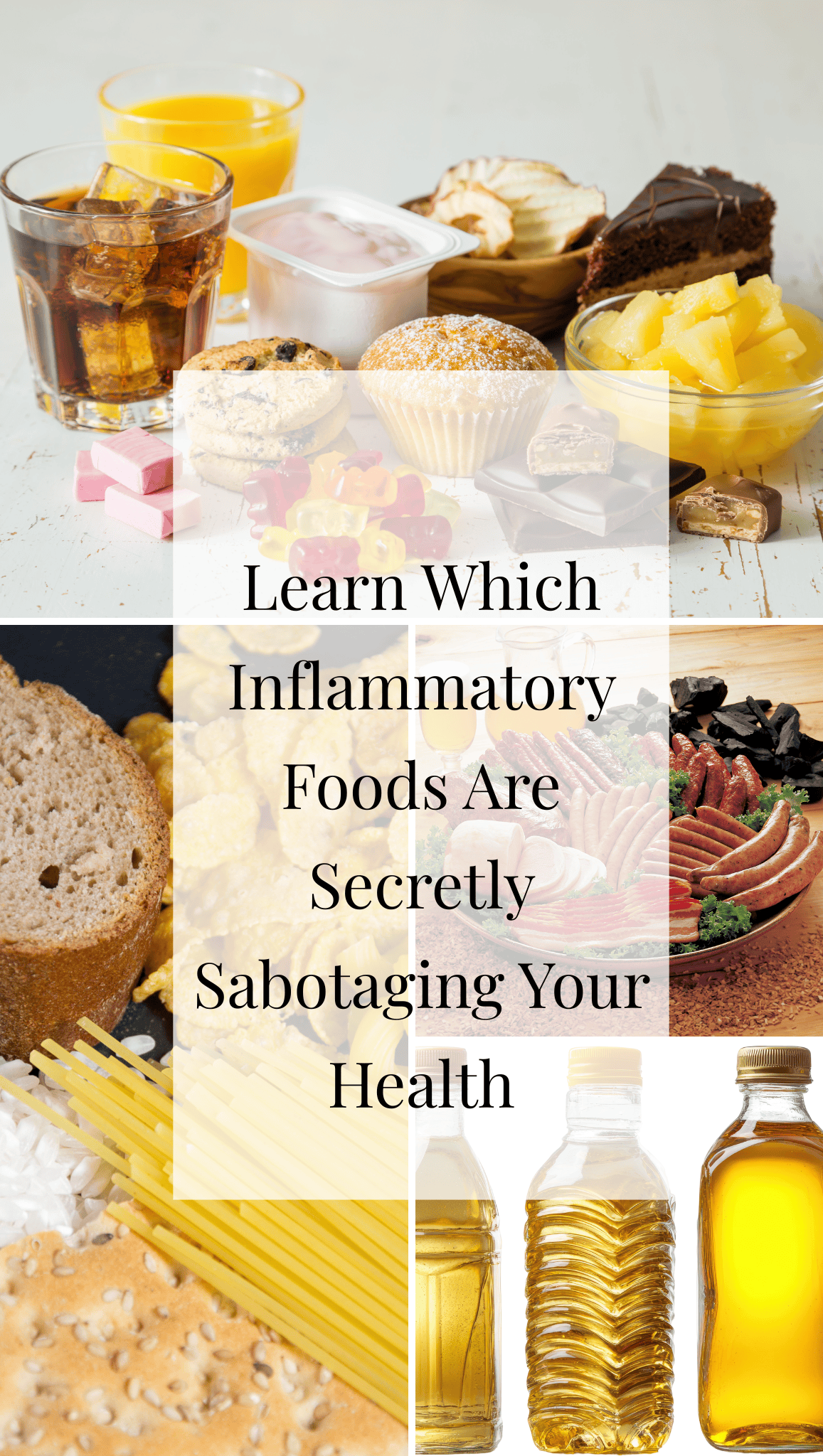
What if the foods marketed as “healthy” or “convenient” are the very ones keeping you stuck in a cycle of fatigue and inflammation? I know that’s uncomfortable to hear — I resisted it for a long time too. But once I started reading ingredient labels and connecting my food choices to how I actually felt in my body, I couldn’t unsee it. The standard modern diet is quietly inflammatory by design.
The good news is that awareness is the biggest hurdle. Once you know what to look for, you can make smarter swaps without feeling deprived. You don’t have to be perfect. You just have to be more informed than you were yesterday. The foods below are the most common culprits — and some of them might genuinely surprise you.
Benefits of Identifying Inflammatory Foods for Faster Healing
Removing the highest-inflammatory foods from your regular rotation — even partially — can produce noticeable relief within 2–3 weeks. Studies on refined sugar reduction show drops in CRP levels, improved gut microbiome diversity, and better energy regulation. You don’t have to cut everything at once. Start by reducing your top two offenders and notice how your body responds.
Recognizing Hidden Inflammatory Ingredients Through Label Reading
The trickiest inflammatory ingredients hide behind clever names. High-fructose corn syrup appears in bread, sauces, and yogurt. Refined seed oils (soybean, corn, cottonseed) are in nearly every packaged snack. Trans fats still appear as “partially hydrogenated oils” in ingredient lists even when the nutrition label reads zero. Scan the ingredients list — not just the nutrition facts panel — every time.
Pairing Reduction Strategies With Satisfying Swaps for Long-Term Success
Willpower alone doesn’t work — but strategic swapping does. Replace refined carbs with quinoa or sweet potatoes. Swap sugary drinks for sparkling water with lemon. Choose dark chocolate (85%+ cacao) over processed candy. Cook with avocado or coconut oil instead of refined vegetable oils. These small shifts don’t feel like sacrifice — they feel like upgrades. And over time, your taste buds genuinely adapt.
How to Cut Inflammatory Foods Without Feeling Deprived
- Audit your pantry — flip three packaged items over and check for vegetable oils and added sugars.
- Reduce added sugar gradually: cut your usual intake by 25% each week instead of going cold turkey.
- Replace white bread and pasta with whole grain or sourdough alternatives for a fiber boost.
- Limit alcohol to 1–2 drinks per week — alcohol spikes inflammatory cytokines significantly.
- Choose grass-fed or wild-caught proteins over conventional processed meats when possible.
- Cook at home more often — restaurant and fast food meals are typically high in inflammatory oils.
- Give yourself a 30-day experiment: reduce your top inflammatory food and track how you feel.
Removing inflammatory foods isn’t punishment — it’s permission to feel better. Your body has been waiting for this.
4. Understand the Science Behind an Anti-Inflammatory Diet

Here’s what nobody tells you in wellness spaces: you don’t have to understand complex biology to eat in a healing way. But knowing even the basics of how food affects your inflammation at the cellular level is genuinely empowering. It shifts anti-inflammatory eating from “something I’m supposed to do” to “something I actually want to do” — because you understand exactly what’s happening inside your body when you make those choices.
The science is fascinating without being intimidating. Your body is in constant conversation with your food — responding to every bite with chemical signals that either calm inflammation or escalate it. When I first learned that a blood sugar spike triggers the same inflammatory pathways as a physical injury, I started seeing that afternoon cookie in a completely different light. Knowledge doesn’t restrict you — it frees you to make choices that actually align with how you want to feel.
Benefits of Antioxidants for Neutralizing Oxidative Stress
Every time your body metabolizes food, it produces free radicals — unstable molecules that damage cells and trigger inflammation. Antioxidants from colorful plant foods donate electrons to neutralize these free radicals before they cause harm. Think of it as your internal fire suppression system. Harvard Health notes that fruits and vegetables like blueberries, leafy greens, and apples are particularly high in natural antioxidants and polyphenols — protective compounds strongly associated with lower rates of inflammatory disease.
Enhancing Gut Health Through Fiber-Rich, Microbiome-Supporting Foods
Your gut is home to trillions of bacteria — and they have a direct line to your immune system. When your gut microbiome is diverse and well-fed with fiber, it produces short-chain fatty acids that actively reduce whole-body inflammation. Diets low in fiber (like most modern Western diets) starve beneficial bacteria, allowing inflammatory species to dominate. Eating a variety of plant foods — legumes, vegetables, whole grains — is the most powerful gut-healing strategy available.
Pairing Blood Sugar Balance With Omega-3 Intake for Deep Inflammation Control
Blood sugar spikes from refined carbs and sugars trigger a surge of insulin and pro-inflammatory cytokines — a double blow to your immune system. Pair blood sugar stabilization (through fiber, protein, and healthy fat at each meal) with adequate omega-3 intake, and you address inflammation from two of its most powerful drivers simultaneously. This combination is the foundation of every successful anti-inflammatory eating pattern studied in clinical research.
How to Apply Anti-Inflammatory Science to Your Everyday Meals
- Build every meal around the “Plate Formula”: 50% colorful vegetables, 25% quality protein, 25% whole grains or legumes.
- Always add fat and protein to carbohydrate-heavy meals to blunt the blood sugar spike.
- Eat 30+ different plant foods per week to maximize gut microbiome diversity.
- Include fermented foods (yogurt, kimchi, sauerkraut) 3–4 times per week for probiotic support.
- Prioritize sleep — poor sleep elevates CRP levels as significantly as a poor diet.
- Manage stress actively: cortisol directly activates inflammatory pathways in the body.
- Track your energy and digestion for 2 weeks after implementing changes — your body will tell you what’s working.
When you understand the science, your plate becomes more than food — it becomes a daily prescription for the body you want to live in. That’s not an exaggeration. That’s biology.
5. Make Anti-Inflammatory Eating a Sustainable Lifestyle Habit
What if the reason most healthy diets fail isn’t willpower — it’s that they were never designed to last? I’ve been there: motivated on Monday, exhausted by Friday, reaching for whatever’s easiest by the weekend. Anti-inflammatory eating only works when it works inside your real life. Not your ideal life. Your actual, busy, imperfect, gorgeous life — with social dinners and tight budgets and days when you just don’t have it in you.
Consistency — not perfection — is the secret. Research on behavior change confirms that small, repeatable habits create more lasting health transformation than intense short-term protocols ever will. The goal isn’t to eat perfectly 100% of the time. The goal is to eat well most of the time, in a way that feels enjoyable and manageable — so you actually keep doing it.
Benefits of a Whole-Lifestyle Anti-Inflammatory Approach for Lasting Results
Diet is the most powerful lever, but it works best when paired with quality sleep, stress management, and regular movement. Studies show that 7–9 hours of sleep reduces CRP levels as effectively as dietary intervention. Even 20 minutes of gentle exercise like walking significantly lowers inflammatory markers. Chronic stress — through elevated cortisol — can undo the benefits of an otherwise excellent diet. You’re building a lifestyle, not just a menu.
Enhancing Consistency Through Budget-Friendly Anti-Inflammatory Strategies
Anti-inflammatory eating does not have to be expensive. Some of the most powerful healing foods are remarkably affordable: frozen berries, canned sardines, dried lentils, brown rice, cabbage, sweet potatoes, and eggs. Buy frozen vegetables over fresh when needed — they retain nearly identical nutrient profiles. Shop in-season produce. Cook in batches on Sundays. A $50 weekly grocery budget can absolutely support anti-inflammatory eating when you know what to prioritize.
Pairing Smart Dining-Out Choices With Everyday Habits for Seamless Living
Eating out doesn’t have to derail you. Choose restaurants with grilled, roasted, or steamed protein options; ask for olive oil and vinegar instead of creamy dressings; swap fries for a salad or side of vegetables. Most restaurants will accommodate simple requests. At social gatherings, fill your plate with vegetables and protein first, then enjoy what matters most to you freely. Food is also connection and joy — anti-inflammatory eating celebrates that, not restricts it.
How to Build Anti-Inflammatory Habits That Actually Stick
- Choose one anti-inflammatory habit to anchor to something you already do (e.g., add greens to your morning routine).
- Prep three anti-inflammatory staples on Sunday: a cooked grain, roasted vegetables, and a protein source.
- Keep frozen fish, berries, and leafy greens stocked so healthy choices are always fast.
- Aim for 80/20: eat well 80% of the time and give yourself full permission for the other 20%.
- Get 7–9 hours of sleep — it’s as important as what you eat.
- Move your body for at least 20 minutes daily — a walk counts and works powerfully.
- Be patient: most people notice meaningful changes in energy and digestion within 3–4 weeks.
The most powerful anti-inflammatory diet is the one you’ll still be following six months from now. Build it to last.
6. Ready for Support? Here’s How to Find the Right Help for Your Healing Journey

Here’s something I wish someone had told me earlier: food is powerful medicine — but sometimes the most powerful thing you can do is admit you don’t want to figure it out alone. If you’ve been making changes and still feel exhausted, bloated, or just off in a way you can’t quite name — that’s your body asking for more support. There is no shame in that. In fact, reaching out is the wisest thing you can do.
As a NBC-HWC (National Board Certified Health & Wellness Coach) and Holistic Nutrition Coach, this is exactly the work I do. I help women build real, sustainable anti-inflammatory habits that fit their actual lives — without overwhelm, without restriction, and without needing a medical degree to get started. And for those dealing with deeper, more complex symptoms, there are clinical professionals who can take things even further. The right support exists at every level — and you deserve access to it.
How Holistic Nutrition Coaching Can Be Your First Powerful Step
You don’t need a diagnosis to deserve guidance. If you’re dealing with low energy, persistent bloating, brain fog, unexplained weight changes, or that quiet gut feeling that something is off — that is enough reason to reach out. Together we can identify your personal inflammatory triggers, build an eating plan that works for your body and your lifestyle, and create lasting habits that actually stick. This is personalized, compassionate, whole-body support — and for many women, it’s the missing piece that makes everything else finally click.
Enhancing Your Results Through Coaching, Supplements, and Elimination Support
Working with a wellness coach means you get accountability, structure, and a clear roadmap. We’ll look at your full picture — food, stress, sleep, and daily habits — and build a plan that addresses inflammation from every angle. This includes navigating anti-inflammatory supplements like omega-3 fish oil, curcumin with piperine, vitamin D3, and magnesium glycinate — because supplements are not one-size-fits-all, and quality, dosage, and timing matter enormously. I can also guide you through a structured elimination diet, helping you safely remove and reintroduce common triggers like gluten, dairy, soy, and nightshades so you can finally identify what your body is reacting to — without the guesswork.
When to Add Clinical Medical Support to Your Journey
Chronic inflammation can sometimes have underlying drivers — autoimmune conditions, hormonal imbalances, environmental toxins, or food sensitivities — that require clinical evaluation alongside your wellness work. If you’ve followed an anti-inflammatory diet consistently for several weeks and still experience severe fatigue, significant joint pain, serious digestive distress, or symptoms that are worsening, it may be time to bring a functional medicine doctor or registered dietitian into your care team. Advanced lab testing — including hs-CRP, homocysteine, ferritin, and comprehensive food sensitivity panels — can identify hidden triggers with precision and build a clinical protocol tailored to your body. Coaching and medical support work beautifully together — one supports your daily habits, the other monitors what’s happening beneath the surface.
How to Know Which Kind of Support Is Right for You Right Now
- You want to improve your energy, digestion, and overall wellbeing → Start with holistic nutrition coaching
- You’re ready to build real anti-inflammatory habits but need accountability and a plan → Start with holistic nutrition coaching
- You want guidance on supplements or an elimination diet done safely → Start with holistic nutrition coaching
- You’ve made consistent changes for 4+ weeks with little improvement → Consider adding medical support
- You experience severe or worsening symptoms that disrupt daily life → Consult a medical provider
- You suspect an autoimmune condition or need clinical lab work → Seek medical evaluation alongside coaching
Reaching for support isn’t a sign that you’ve failed — it’s a sign that you’re taking your health seriously enough to get the full picture. That’s wisdom. And whether your next step is working with me or connecting with a clinical provider — you don’t have to keep doing this alone. 💚
Final Thoughts
Here’s the truth about anti-inflammatory eating: it’s not a trend. It’s not another diet to start on Monday and abandon by the weekend. It’s a way of listening to your body, honoring what it needs, and making choices that compound into real, lasting health.
Your path forward doesn’t have to be perfect. Maybe your body responds best to starting with turmeric in your morning smoothie. Maybe it’s swapping your afternoon snack. Maybe it’s finally getting that CRP test you’ve been putting off. Start with whatever calls to you most. One change. One week. And then notice how you feel.
Many people have walked this path and found their energy again, cleared their skin, eased their joints, and rediscovered what it feels like to feel genuinely well. You deserve that too. This guide is just the beginning — and what a powerful beginning it is. Now go nourish yourself.
This post may contain affiliate links. I only recommend products and services I genuinely believe in. Additionally, some images on this website may have been created with the help of AI to convey the feeling and aesthetic I wish to share with my readers.
Frequently Asked Questions
How long does it take to see results from an anti-inflammatory diet?
Most people notice improved energy and digestion within 2–4 weeks of consistent anti-inflammatory eating. Deeper changes — reduced joint pain, clearer skin, improved sleep quality — often emerge at the 6–8 week mark. Results vary based on your starting point, consistency, and whether underlying conditions are present. Tracking how you feel weekly helps you stay motivated as changes accumulate.
Is anti-inflammatory eating expensive?
Not at all. Some of the most potent anti-inflammatory foods — frozen berries, canned sardines, lentils, sweet potatoes, cabbage, and eggs — are budget-friendly staples. Focus on buying whole, minimally processed foods and shopping in-season. Frozen produce retains nearly identical nutritional value to fresh. With smart planning, you can eat powerfully anti-inflammatory on $50 per week or less.
Do I have to give up all my favorite foods?
Absolutely not — and please don’t try to. Anti-inflammatory eating is built on an addition mindset, not elimination. The goal is to crowd your plate with healing foods most of the time, giving you full permission to enjoy the foods you love without guilt. Sustainable habits beat restrictive protocols every single time. An 80/20 approach works beautifully for most people.
Can anti-inflammatory eating help with chronic pain or autoimmune conditions?
Research strongly supports dietary intervention for managing both chronic pain and many autoimmune conditions. The Mediterranean diet, in particular, has been studied extensively for conditions like rheumatoid arthritis, lupus, and inflammatory bowel disease with promising results. Diet works as a powerful complementary tool alongside — not instead of — medical care. Always work with your healthcare provider when managing diagnosed conditions.
What’s the single most impactful change a beginner can make?
If you could only do one thing, dramatically reduce your added sugar intake. Sugar is one of the most consistent drivers of chronic inflammation, blood sugar dysregulation, and gut microbiome imbalance. Cutting it — even by 50% — triggers a cascade of positive changes throughout your body. Pair that with adding one anti-inflammatory food daily, and you have a truly powerful beginner foundation.
About The Author
Jahlila Bastian is a National Board-Certified Health & Wellness Coach (NBC-HWC), Certified Holistic Nutrition Coach (HNC), and creator of The Tri-Sync Method™. She helps women optimize their health, improve energy, lose weight in a sustainable way, and rebuild self-confidence while creating greater balance in body, mind, and life. Her whole-self approach blends evidence-based nutrition with personalized coaching, guiding women in building a holistic wellness lifestyle system designed for long-term success.
If you’re ready to improve your energy and health, feel confident in your body, strengthen your overall well-being, and create lasting results… Book your free Discovery Consultation here.

Leave a Reply